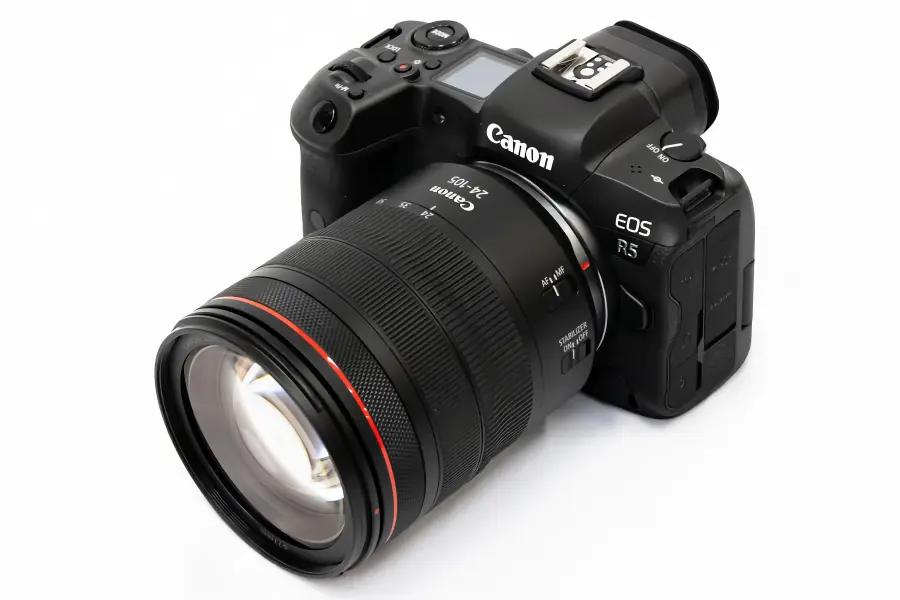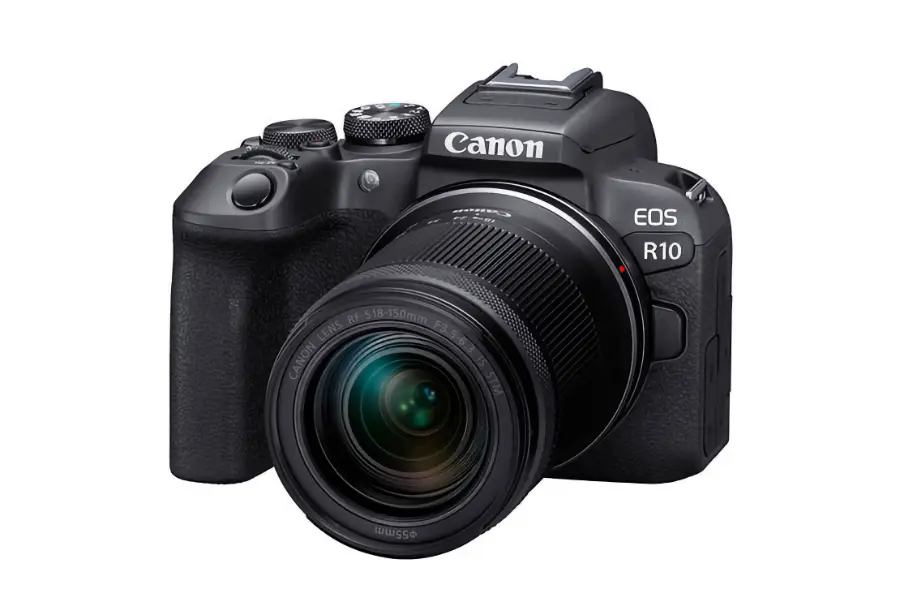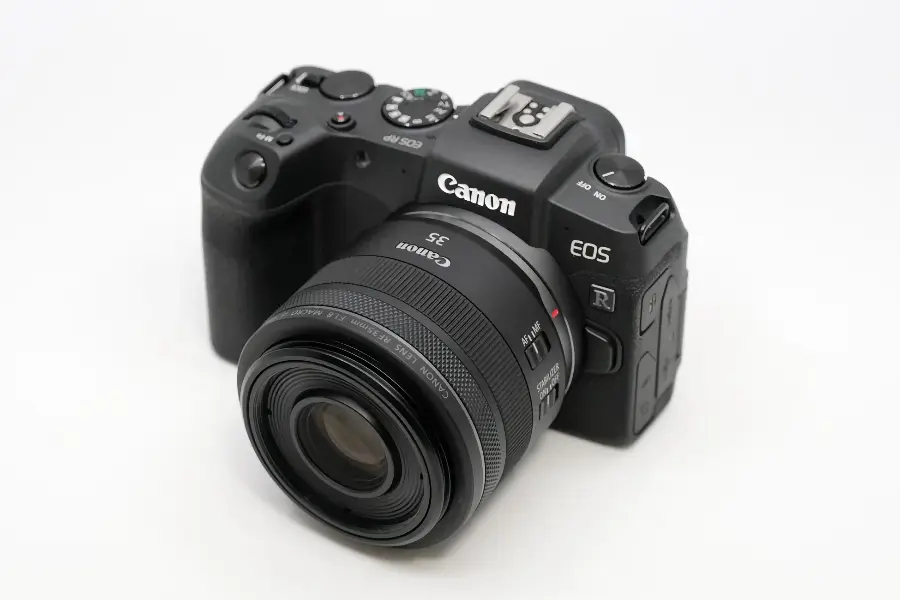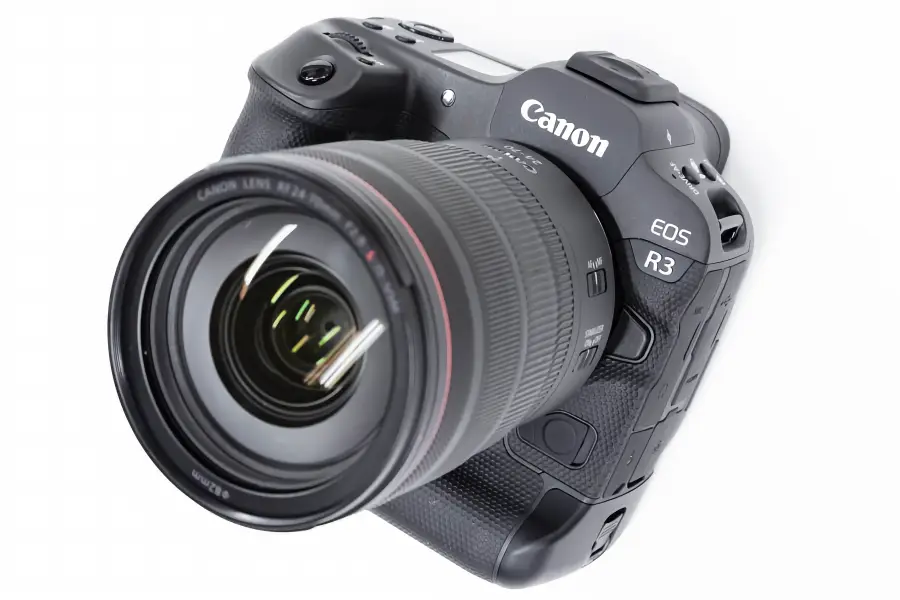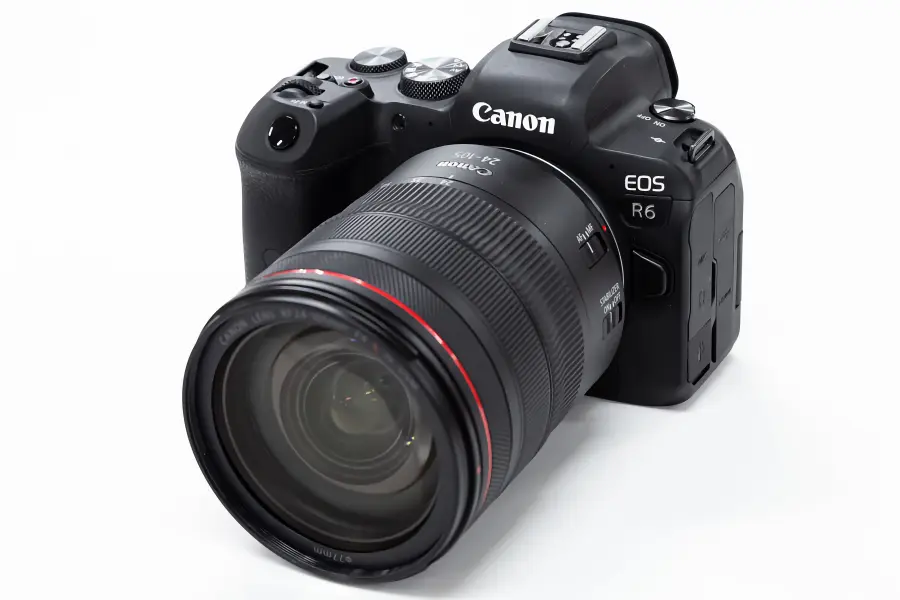

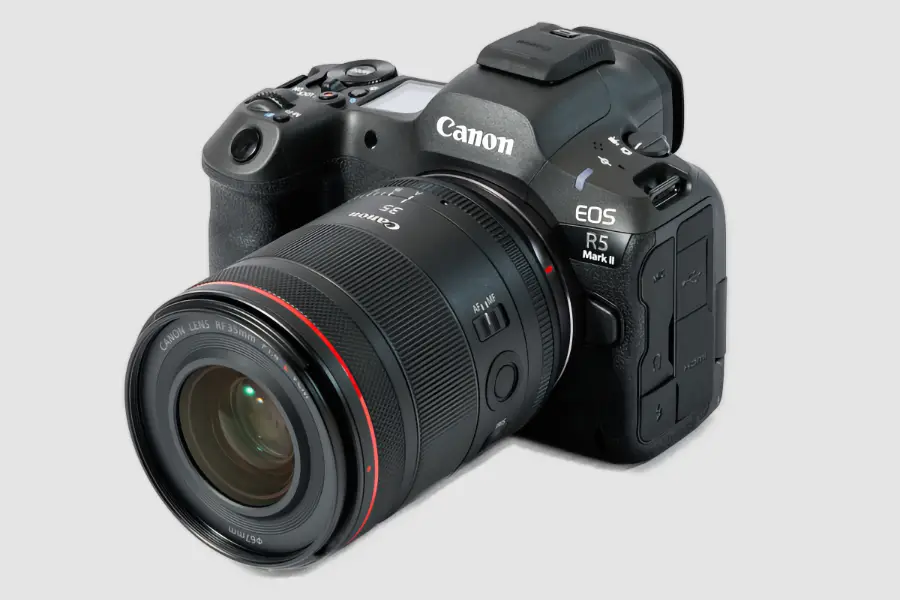
Hello everyone, today we’ll be taking an in-depth look at Canon’s latest flagship mirrorless camera, the EOS R5 Mark II. We’ll examine whether it truly sets a new standard for hybrid cameras and explore its strengths and weaknesses in detail.
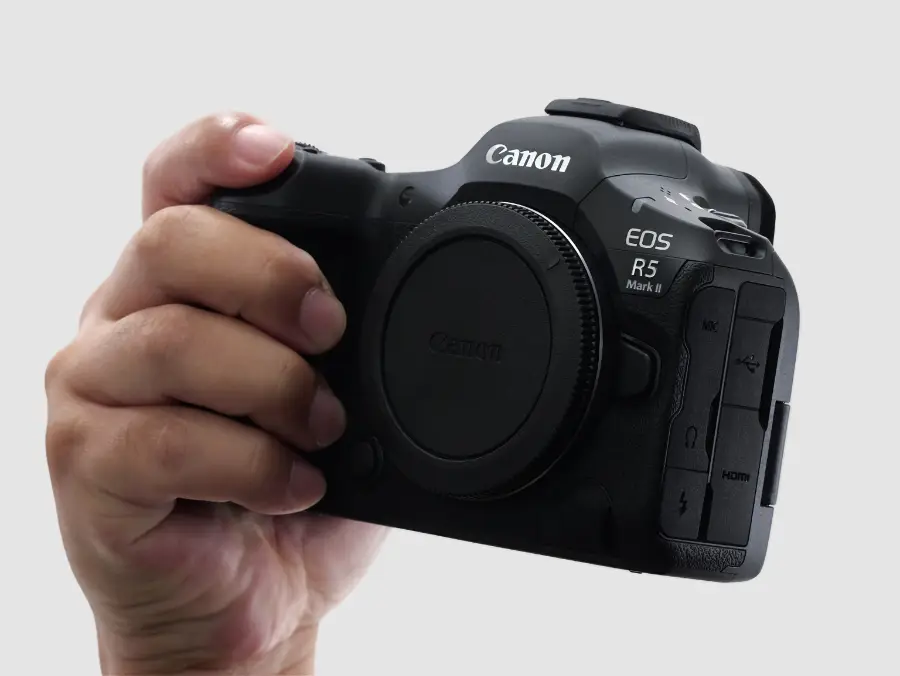
Let’s start by summarizing the key specifications of the Canon EOS R5 Mark II in a table:
Key Specifications
| Item | Specification |
|---|---|
| Sensor | 45MP full-frame CMOS |
| Image Processor | DIGIC X II |
| ISO Range | 100-51200 (expandable to 102400) |
| Continuous Shooting | Up to 12fps (mechanical), 20fps (electronic) |
| Autofocus | Dual Pixel CMOS AF II (1053 points) |
| Video | 8K60p RAW, 4K120p |
| Display | 3.2-inch 2.1M dot vari-angle touchscreen |
| Viewfinder | 5.76M dot OLED EVF |
| Image Stabilization | 5-axis IBIS, up to 8 stops |
| Storage Media | CFexpress Type B + SD UHS-II |
| Battery | LP-E6P, USB-C charging supported |
| Weight | Approx. 738g (including battery and memory card) |
| Dimensions | 138.5 x 97.5 x 88.0 mm |
Now, let’s delve into the main features and performance of the Canon EOS R5 Mark II.
📸 Image Quality: 45MP of Detail
The Canon EOS R5 Mark II features a 45MP full-frame CMOS sensor. While this is the same resolution as its predecessor, it offers improved performance when paired with the new image processor.
Outstanding Detail and Dynamic Range

Photos taken with the R5 Mark II boast rich details and a wide dynamic range. In Imatest measurements, it recorded up to 13.6 stops of dynamic range at medium noise acceptance (SNR 2).
Superior High ISO Performance

ISO performance is also impressive. Noise is well-controlled up to ISO 6400, and even ISO 12800 provides usable image quality for practical purposes.
Flexibility of RAW Shooting

Support for 14-bit RAW files provides high flexibility in post-processing. Particularly when using the C-Log 2 profile, you can utilize up to 15 stops of total dynamic range, allowing for professional color grading work.
🎥 Video Features: A New Horizon in 8K

The Canon EOS R5 Mark II offers professional-grade video features.
8K60p RAW Recording
It supports internal recording of 8K60p RAW video. This is among the highest specifications currently available in hybrid cameras.
4K120p Uncropped Recording
Even when shooting 4K120p, you can utilize the full-frame sensor without additional cropping. This is a significant advantage for slow-motion video production.
Improved Thermal Management
The overheating issue, which was the biggest drawback of its predecessor, has been significantly improved. In 4K Fine mode, continuous recording for up to 6 hours is possible in appropriate temperature conditions.
🔧 Autofocus System: Even Smarter AF

The Canon EOS R5 Mark II features an improved Dual Pixel CMOS AF II system.
Various Subject Recognition
It automatically recognizes and tracks various subjects including people, animals (dogs, cats, birds), and vehicles (cars, motorcycles, trains, aircraft).
Enhanced Low-light Performance
AF functionality is supported even in low-light environments down to -5EV, and it can achieve accurate focus at up to +5 stops exposure.
Customizable Functions
It offers various customizable functions such as face priority AF and AF pause, allowing for optimal AF settings tailored to different shooting situations.
💨 High-Speed Continuous Shooting: Capturing the Decisive Moment

The Canon EOS R5 Mark II boasts impressive continuous shooting performance.
Up to 20fps Electronic Shutter Burst
High-speed burst shooting of up to 20fps is possible in electronic shutter mode. This is tremendously helpful in capturing decisive moments in sports or wildlife photography.
Improved Rolling Shutter Control
Rolling shutter effect has been improved when using the electronic shutter. It shows reading speeds of 17.3ms at 8K resolution and 9.6ms in 4K standard mode.
Large Buffer
It provides a large buffer capable of continuous shooting of about 140 images in RAW+JPEG mode.
📱 Operability and Interface: Room for Improvement
The Canon EOS R5 Mark II offers generally excellent operability, but there are some areas that need improvement.
Vari-angle Touchscreen
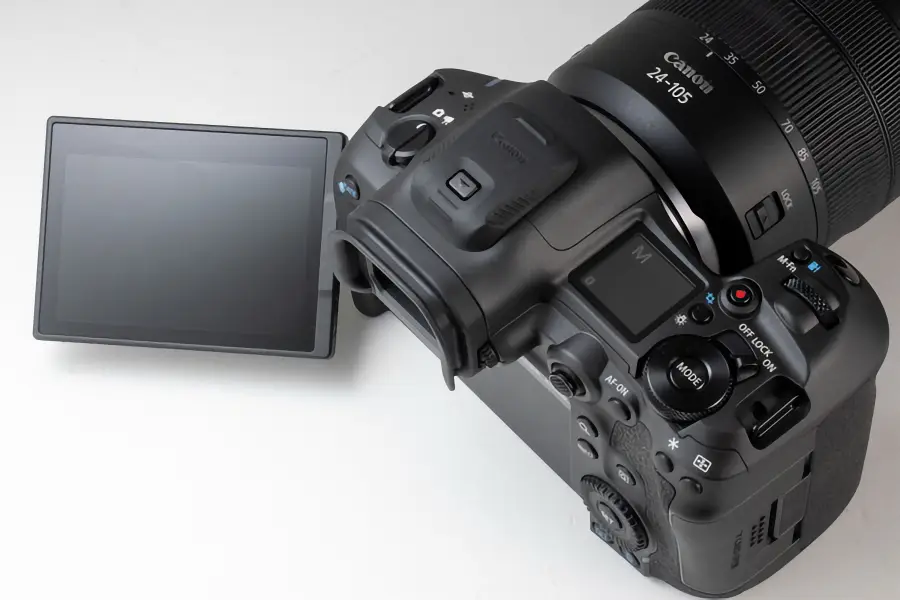
A 3.2-inch 2.1 million dot fully articulating touchscreen facilitates shooting from various angles.
High-Resolution EVF
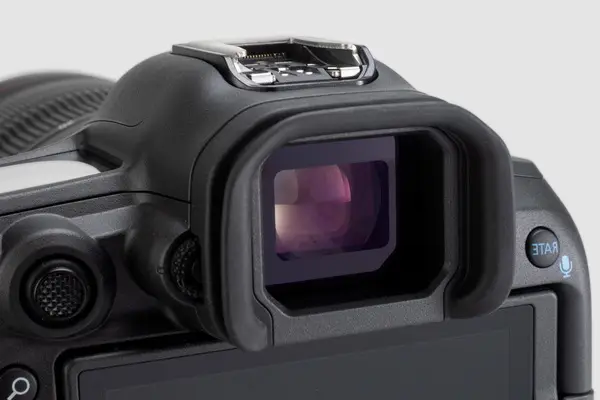
The 5.76 million dot OLED EVF provides a clear and natural viewfinder image. With a maximum 120Hz refresh rate, it smoothly displays fast movements.
Limitations of Button Layout
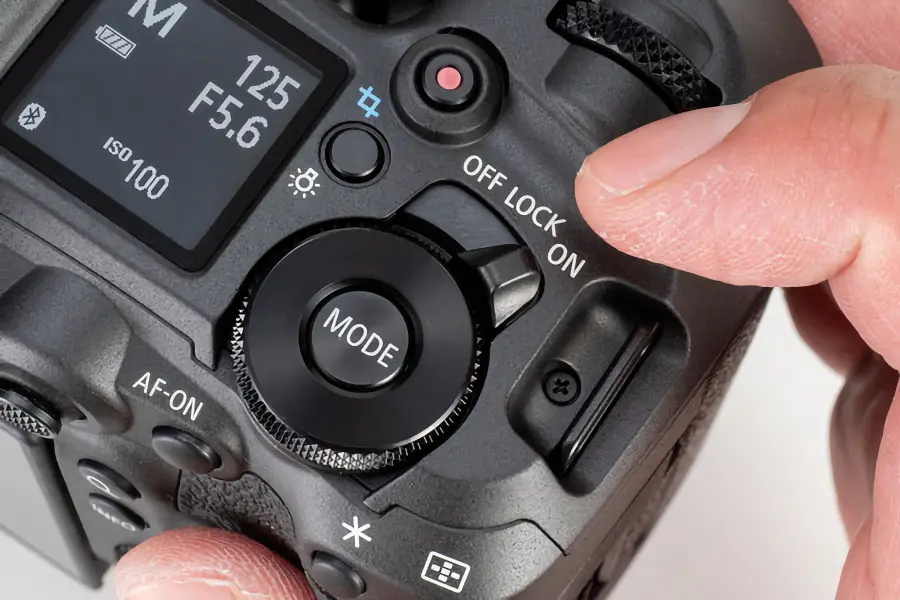
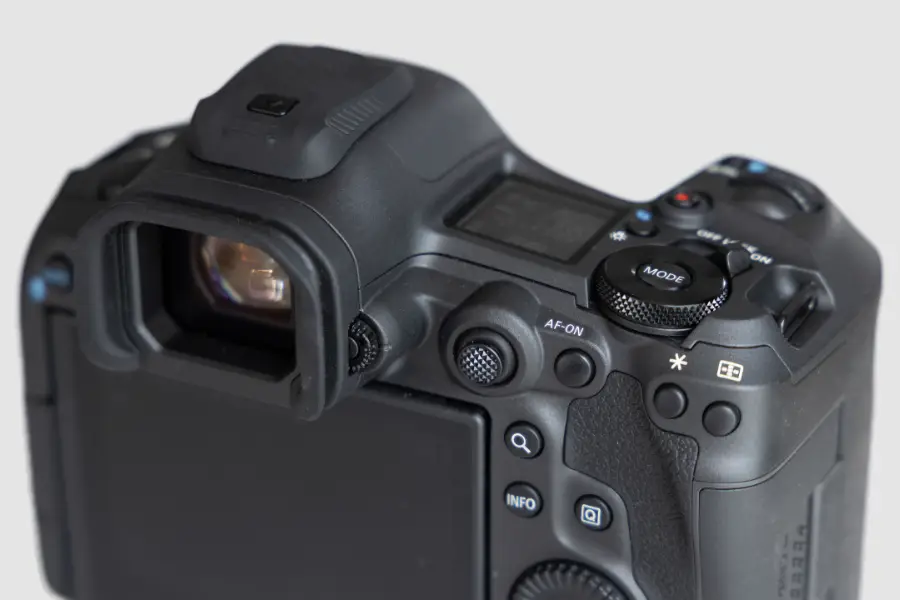
The dense arrangement of numerous small buttons may make operation difficult, especially when wearing gloves.
🔋 Battery Life and Thermal Management: Improved Efficiency
The Canon EOS R5 Mark II uses the new LP-E6P battery, and its thermal management system has been significantly improved.
Battery Life
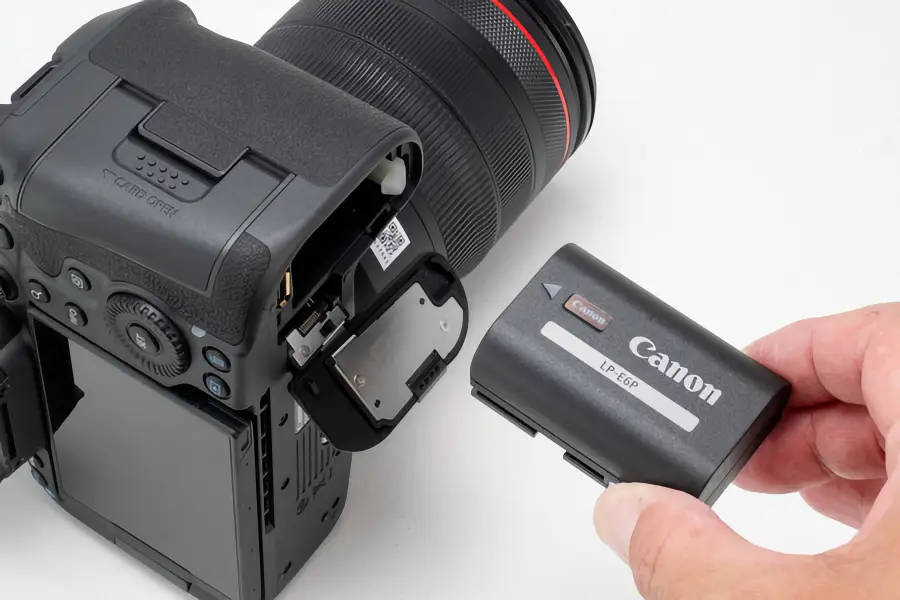
It provides a battery life of about 350 shots according to CIPA standards. In real-world use, more shots are possible, but it’s still somewhat short compared to competing products.
USB-C Charging and Power Delivery
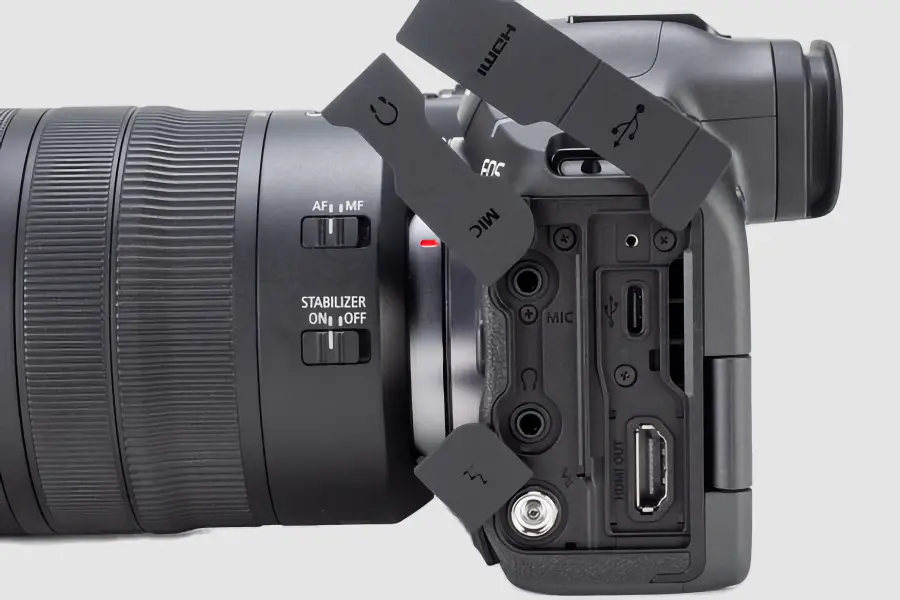
Charging and power supply via USB-C port is possible. This is useful for extended shooting sessions.
Improved Thermal Management System
A new thermal management system has been introduced to significantly improve overheating issues during video recording. A temperature gauge allows real-time monitoring of the camera’s thermal status.
Cooling Battery Grip
The optional R20EP battery grip actively cools the camera through a built-in fan. This enables extended video recording sessions.
📷 IBIS: Powerful Image Stabilization

The Canon EOS R5 Mark II features a powerful In-Body Image Stabilization (IBIS) system.
Up to 8 Stops of Correction
When combined with lens IS, it provides up to 8 stops of shake correction. This is particularly helpful in low-light environments or when using telephoto lenses.
Stability in Video Recording
IBIS also works effectively during video recording, allowing for stable footage in handheld shooting. However, for shots with a lot of movement, using a gimbal is still recommended.
🔄 Comparison with Competing Models
To better understand the pros and cons of the Canon EOS R5 Mark II, let’s compare it with similar-class competing models.
Canon EOS R5 II vs Sony A1
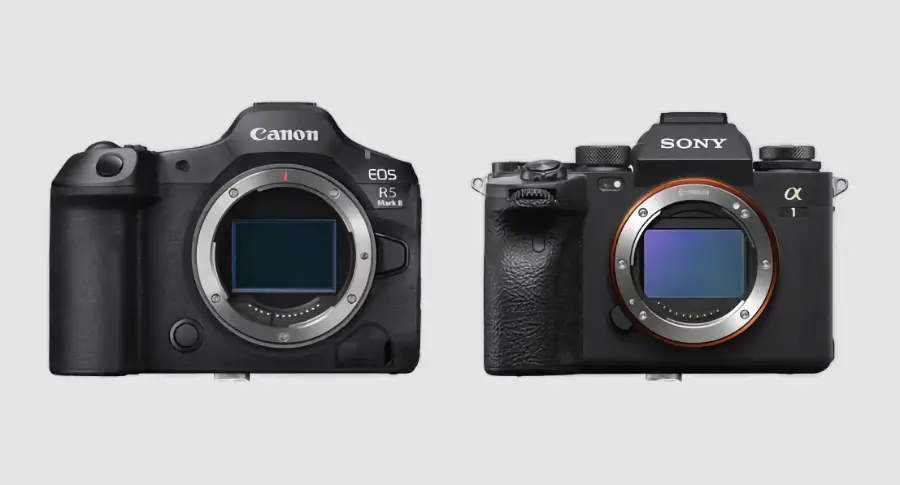
- Pros: Faster continuous shooting (30fps), higher resolution (50MP)
- Cons: Higher price, more limited lens selection
The Sony A1 offers higher specifications but comes at a higher price. The R5 Mark II has an advantage in terms of price-to-performance ratio.
Canon EOS R5 Mark II vs Nikon Z9
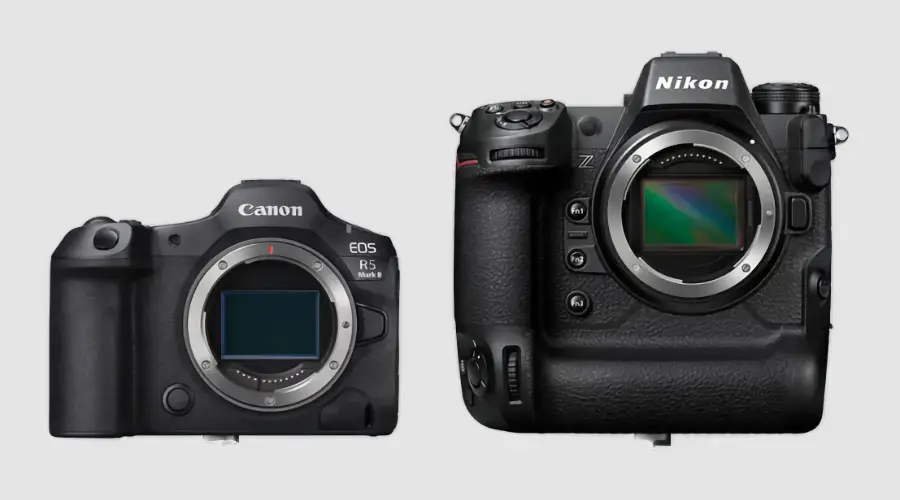
- Pros: Longer battery life, built-in grip
- Cons: Larger size and weight, fixed rear monitor
The Nikon Z9 offers a professional body but is less portable due to its size and weight. The R5 Mark II can adapt to various situations with its more compact body.
Canon EOS R5 Mark II vs Panasonic Lumix S1H
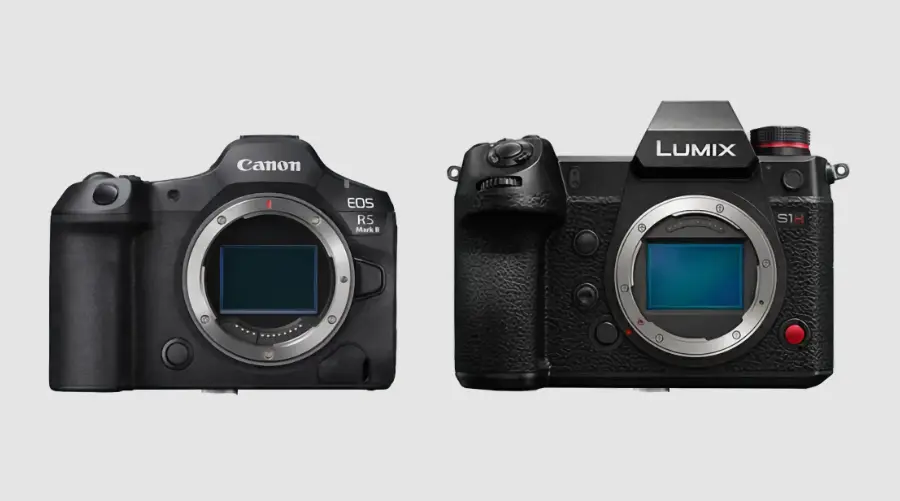
- Pros: More diverse video features, longer recording times
- Cons: Slower AF performance, heavier weight
The Panasonic Lumix S1H excels in video-specific features, but the R5 Mark II has an advantage in AF performance and weight.
📸 Real-World Usage Experience and Image Quality Analysis
I’ll share the results of using the Canon EOS R5 Mark II in various situations.
Still Photo Quality

The 45MP sensor provides rich details. RAW files offer excellent editing flexibility, and when using the C-Log 2 profile, you can utilize up to 15 stops of dynamic range.
Video Performance
8K60p RAW recording provides stunning detail, and 4K120p uncropped recording also shows impressive quality. Thanks to improved thermal management, extended recording sessions are now possible.
Autofocus Performance
Various subject recognition modes proved very useful in real-world shooting. The accuracy of animal eye AF was particularly impressive, and it showed reliable performance even in low-light situations.
High ISO Performance
It provides clean images usable up to ISO 12800. Even at ISO 25600, there’s minimal color distortion, making it usable if necessary.
🔧 Key Issues and Areas for Improvement
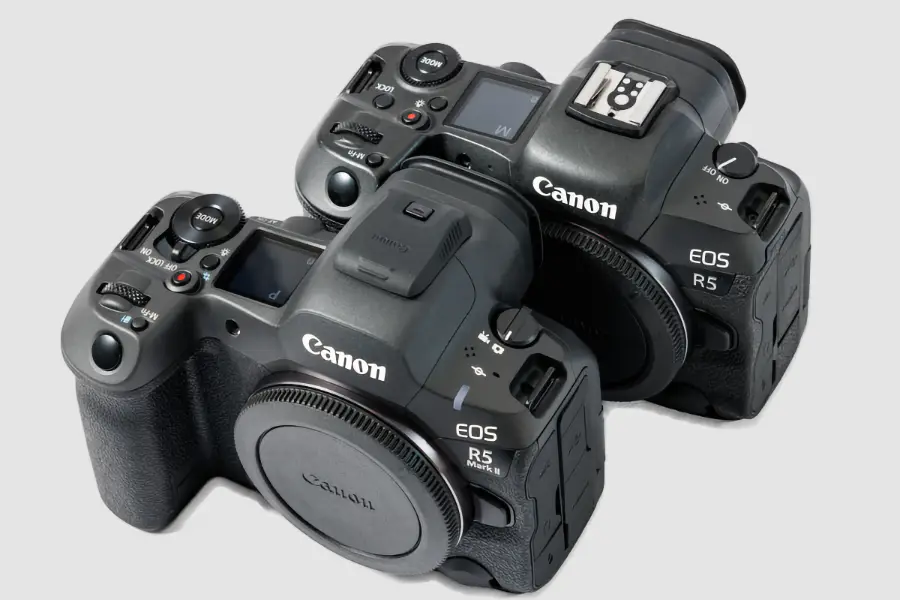
Here are the main issues and areas needing improvement that I discovered while using the Canon EOS R5 Mark II.
Battery Life Limitations
The somewhat shorter battery life compared to competing products is an area for improvement. For extended shooting sessions, spare batteries or external power are recommended.
Menu System Complexity
The menu system is complex due to the variety of functions offered. There may be a learning curve for beginners.
Inconvenience in Custom White Balance Setting
The process of setting custom white balance in video mode is still complicated. This can be inconvenient for quick field work.
Need for CFexpress Cards
Some high-spec shooting modes require expensive CFexpress cards. This can be an additional cost burden.
📊 Summary of Canon EOS R5 Mark II Pros and Cons
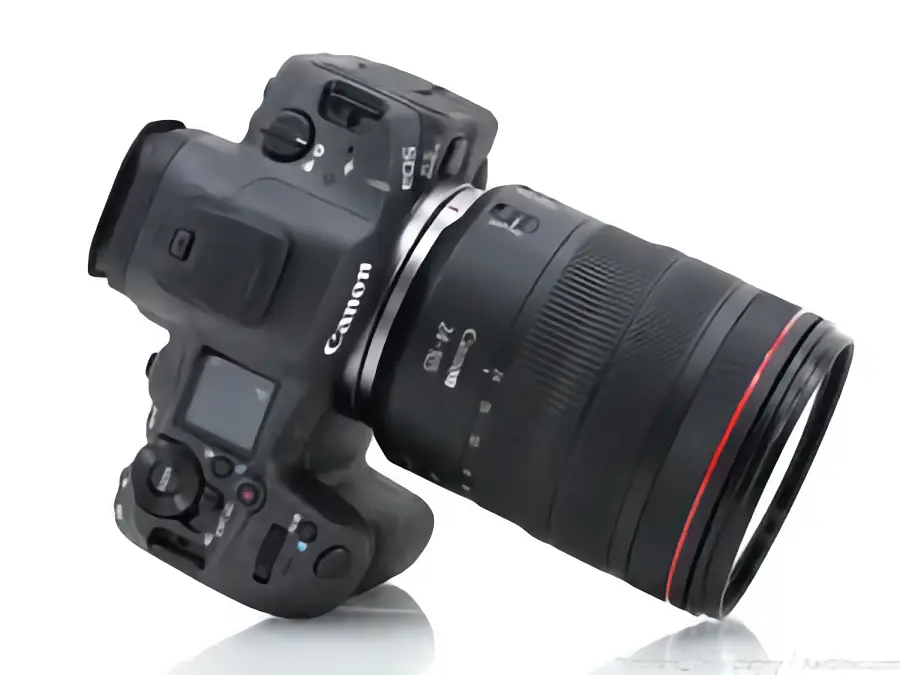
Pros
- Excellent image quality and resolution
- 8K60p RAW, 4K120p uncropped video recording support
- Improved thermal management system
- Powerful and diverse AF functions
- Effective IBIS
- Various professional-grade features (C-Log 2, 10-bit 4:2:2 recording, etc.)
Cons
- Relatively short battery life
- Complex menu system
- Some ergonomic issues (small buttons, dense layout)
- Need for expensive CFexpress cards
- High price
🎯 Recommended Users and Applications
The Canon EOS R5 Mark II is suitable for the following users and applications:
- Professional hybrid shooters handling both high-quality photos and videos
- Videographers interested in 8K or high-quality 4K video production
- Photographers primarily shooting fast-moving subjects like sports an d wildlife
- Professionals working in various lighting conditions such as weddings and events
- Studio photographers demanding the highest image quality
On the other hand, it may not be recommended for:
- Beginners or amateurs with limited budgets
- Users primarily looking for a lightweight travel camera
- Users desiring simple operability
🏁 Conclusion: A New Standard in Hybrid Shooting
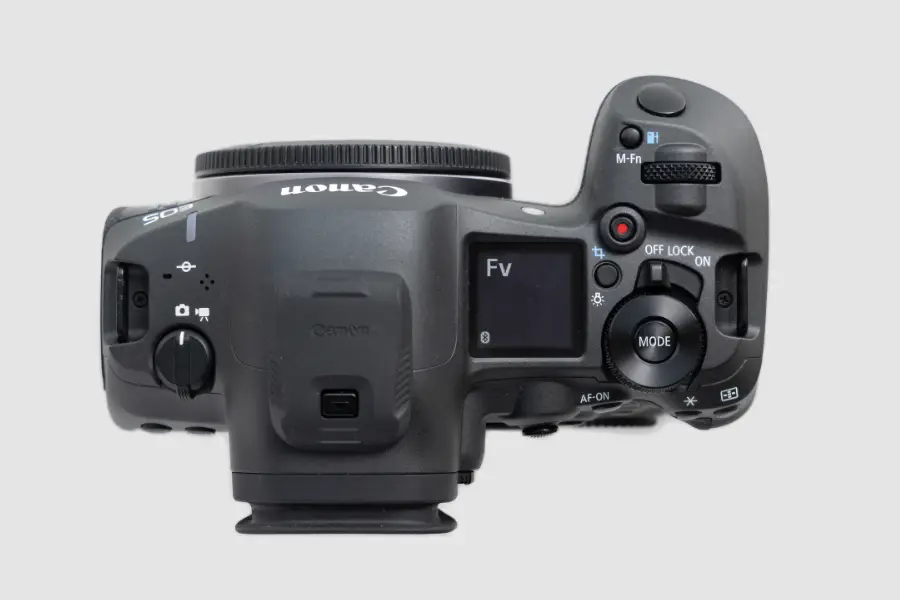
The Canon EOS R5 Mark II is a highly refined hybrid camera that excels in both photography and videography. It offers a range of cutting-edge features including 8K60p RAW video recording, a 45MP high-resolution sensor, powerful AF system, and effective IBIS.
Notably, the overheating issue, which was the biggest drawback of its predecessor, has been significantly improved, allowing for extended high-quality video recording. Additionally, the enhanced AF system and improved rolling shutter control have elevated performance in various shooting situations.
However, the relatively short battery life, complex menu system, and high price may be limiting factors for some users. The need for expensive CFexpress cards for optimal performance should also be considered.
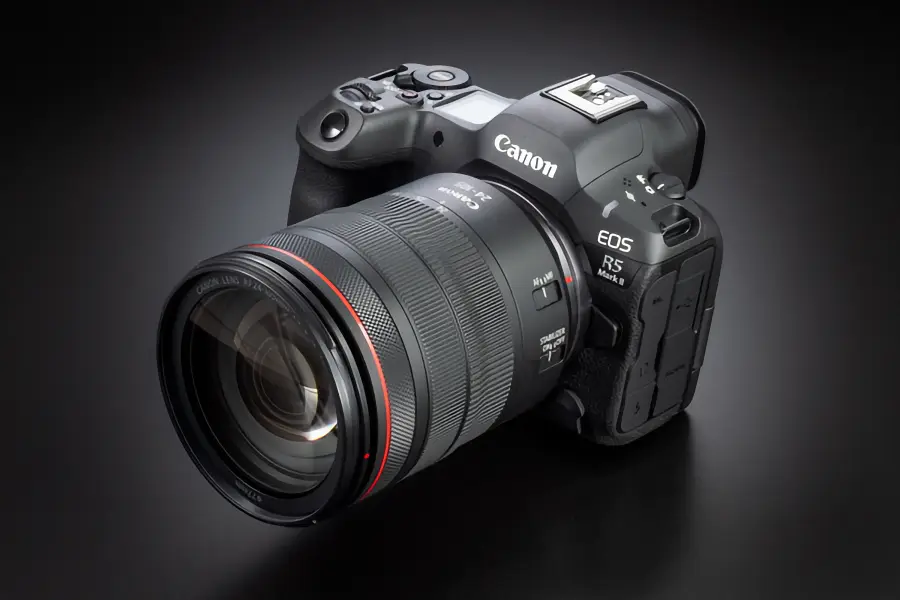
In conclusion, the Canon EOS R5 Mark II is one of the most versatile and high-performing hybrid cameras on the market today. This camera, capable of both professional-grade photography and video production, sets a new standard for hybrid shooting. It’s highly recommended for professionals demanding high-quality images and diverse features.
This concludes our detailed review of the Canon EOS R5 Mark II. We hope it has been helpful for those considering a purchase. If you have any questions or need additional information, please don’t hesitate to ask. Thank you!