
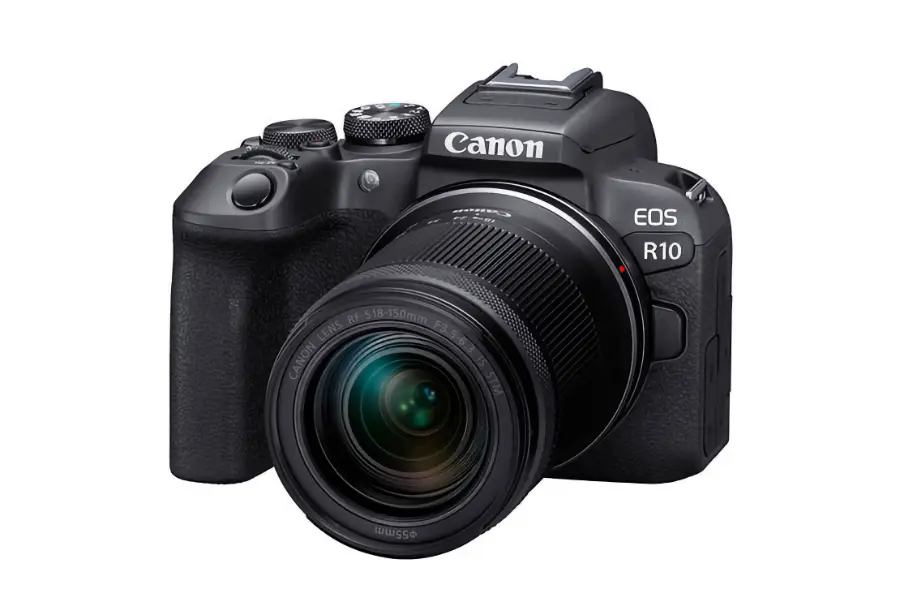
Hello everyone, today we’ll be taking an in-depth look at Canon’s APS-C mirrorless camera, the EOS R10. We’ll examine whether it’s truly a suitable choice for beginners and content creators, and explore its strengths and weaknesses in detail.
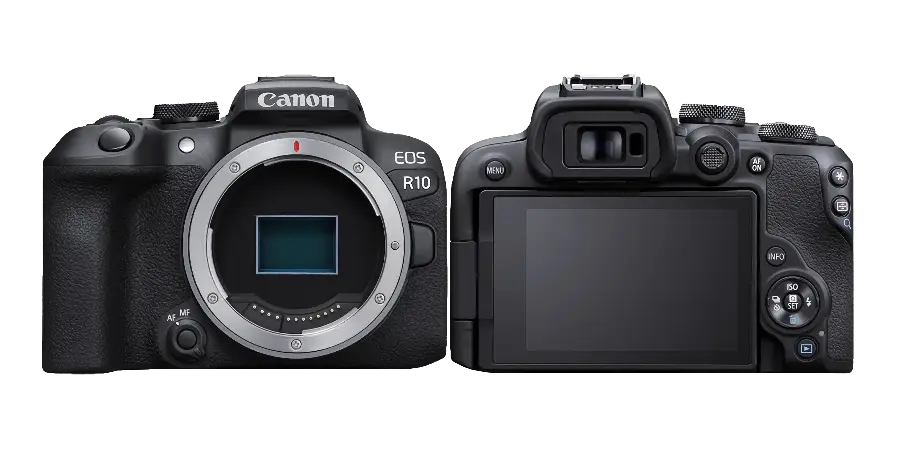
Let’s start by summarizing the key specifications of the Canon EOS R10 in a table:
Key Specifications
| Item | Specification |
|---|---|
| Sensor | 24.2MP APS-C CMOS |
| Image Processor | DIGIC X |
| ISO Range | 100-32000 (expandable to 51200) |
| Continuous Shooting | Up to 15fps (mechanical shutter), 23fps (electronic shutter) |
| Autofocus | Dual Pixel CMOS AF II (651 points) |
| Video | 4K/60p, 1080/120p |
| Display | 3-inch 1.04M dot vari-angle touchscreen |
| Viewfinder | 2.36M dot OLED EVF |
| Weight | Approx. 429g (including battery and memory card) |
| Dimensions | 122.5 x 87.8 x 83.4 mm |
| Battery Life | Approx. 430 shots (CIPA standard) |
| Special Features | Face, eye, animal recognition AF, 4K time-lapse |
Now, let’s delve into the main features and performance of the Canon EOS R10.
📸 Image Quality: The Charm of APS-C
The Canon EOS R10 features a 24.2MP APS-C CMOS sensor. This incorporates Canon’s latest sensor technology, providing excellent image quality.
Sharp Details and Natural Colors

Photos taken with the R10 boast sharp details and natural colors. Canon’s color science is well-applied, showing particularly impressive skin tone reproduction in portrait photography.
Excellent Low-Light Performance

Despite being an APS-C sensor, the EOS R10 provides clean images usable up to ISO 6400. This is particularly helpful for indoor or night shooting.
RAW Shooting Support

The R10 supports 14-bit RAW format shooting, providing flexibility in post-processing. This is particularly helpful for beginners to practice and develop their photo editing skills.
🎥 Video Features: The Allure and Limitations of 4K

The Canon EOS R10 offers 4K video recording capabilities, attracting the attention of content creators.
4K/60p Recording
It supports 4K/60p video recording, providing high-quality footage through 6K oversampling. However, there’s a 1.56x crop in 4K/60p mode.
10-bit Color Depth

It supports 10-bit color depth, allowing for richer color expression. This provides a significant advantage in color grading work.
Rolling Shutter Issue
Severe rolling shutter effect occurs in 4K mode. This causes the screen to tilt or distort when shooting fast movements, which is one of the camera’s biggest drawbacks.
🔧 Operability and Interface: User-Friendly Design
The Canon EOS R10 provides a user-friendly interface and ergonomics.
Intuitive Control Layout
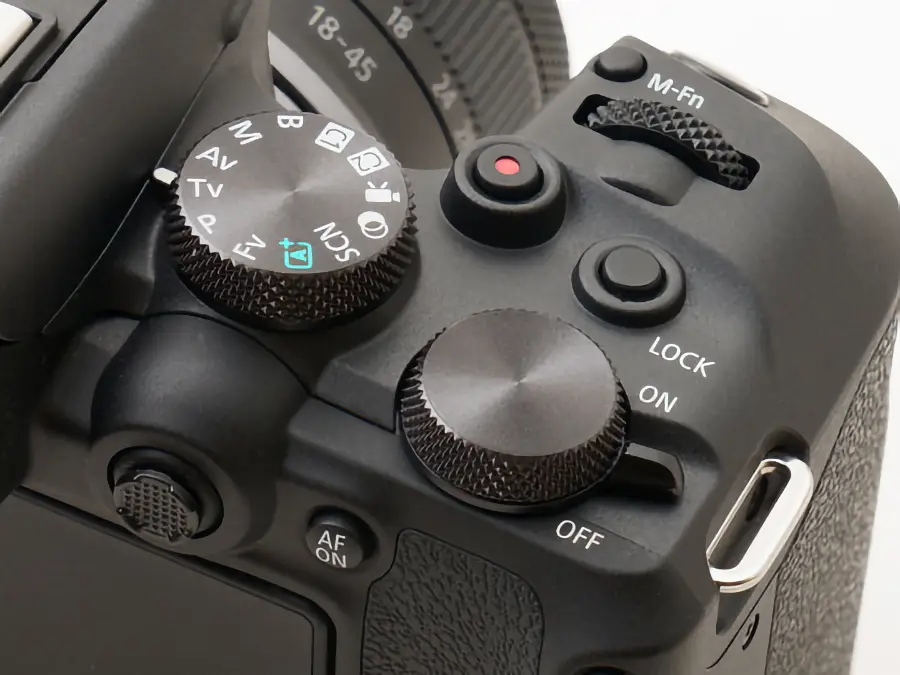
It offers an intuitive control layout with dual command dials, a mode dial, and an AF joystick. This allows even beginners to easily operate the camera.
Vari-angle Touchscreen

The 3-inch 1.04 million dot fully articulating touchscreen facilitates shooting from various angles. This is particularly useful for selfies or vlog shooting.
Customization Options
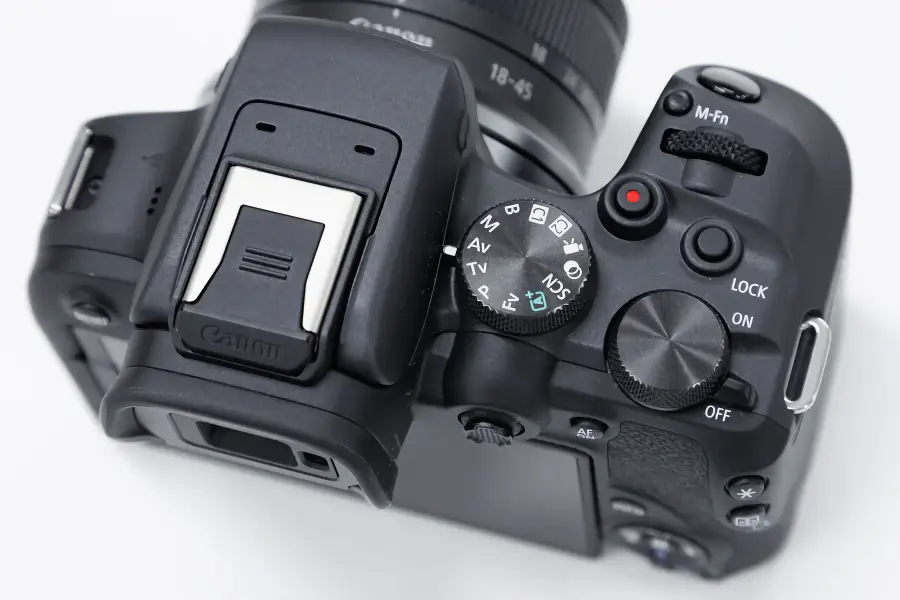
Multiple buttons and dials can be customized as desired, allowing users to optimize the camera to their personal shooting style.
📱 Connectivity: Integration with Smartphones
The Canon EOS R10 has enhanced its connectivity with smartphones to improve user experience.
Wi-Fi and Bluetooth Connection
Built-in Wi-Fi and Bluetooth allow easy connection to smartphones. This enables remote shooting and image transfer.
Canon Camera Connect App
The dedicated app allows control of the camera via smartphone and instant sharing of captured images. This is particularly useful for users active on social media.
USB-C Connection
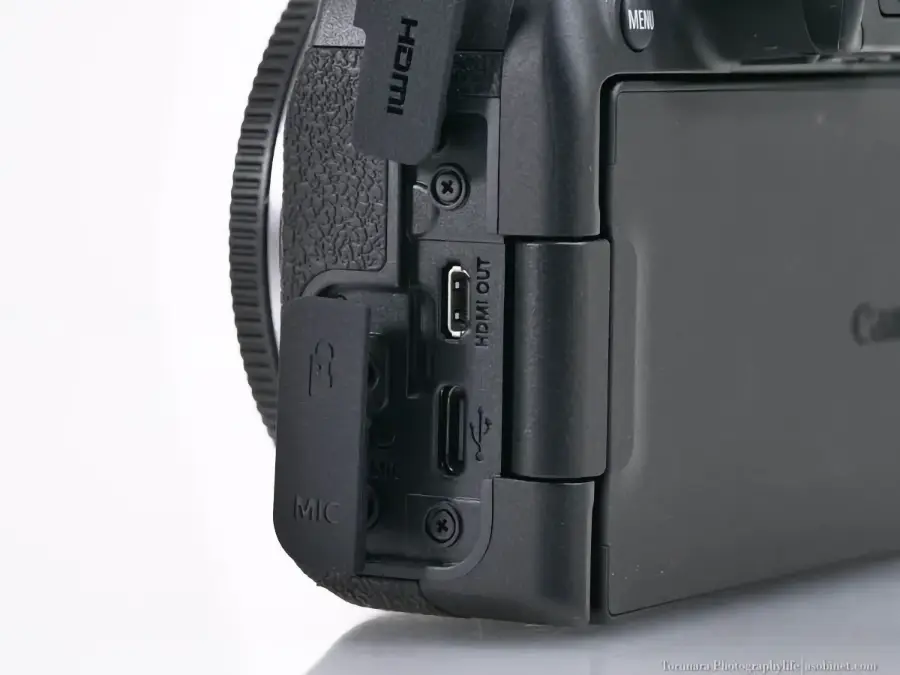
High-speed data transfer and charging are possible via the USB-C port. This allows for convenient battery charging even when out and about.
💼 Portability: A Light Companion
One of the advantages of the Canon EOS R10 is its excellent portability.
Compact Size and Light Weight
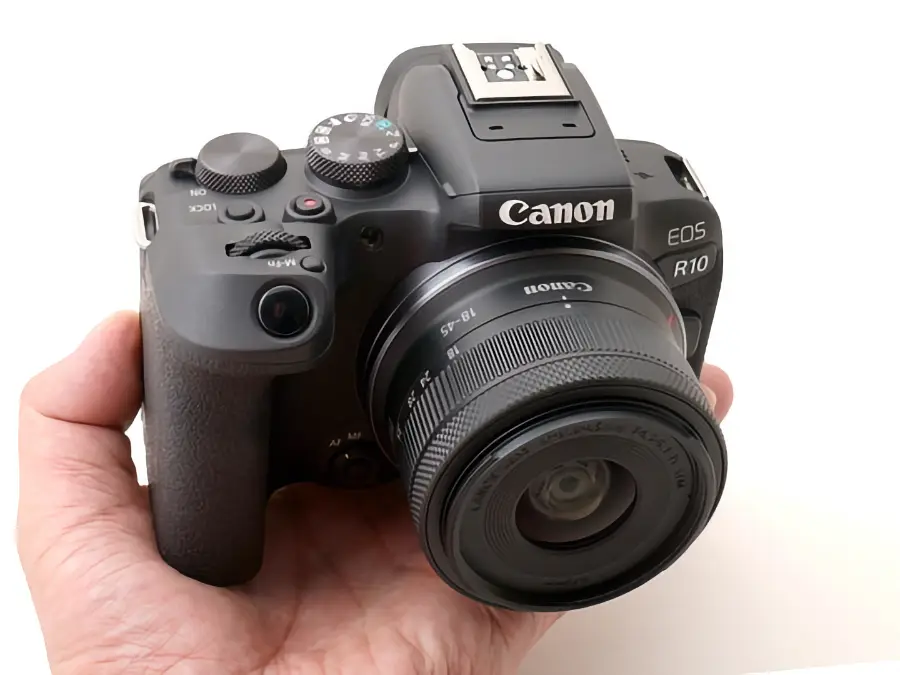
With a light weight of 429g and compact size, it’s very easy to carry. It’s not burdensome for travel or daily use.
Grip

Despite its small size, the deep grip design allows for stable holding. This helps maintain balance even when using larger lenses.
Built-in Flash
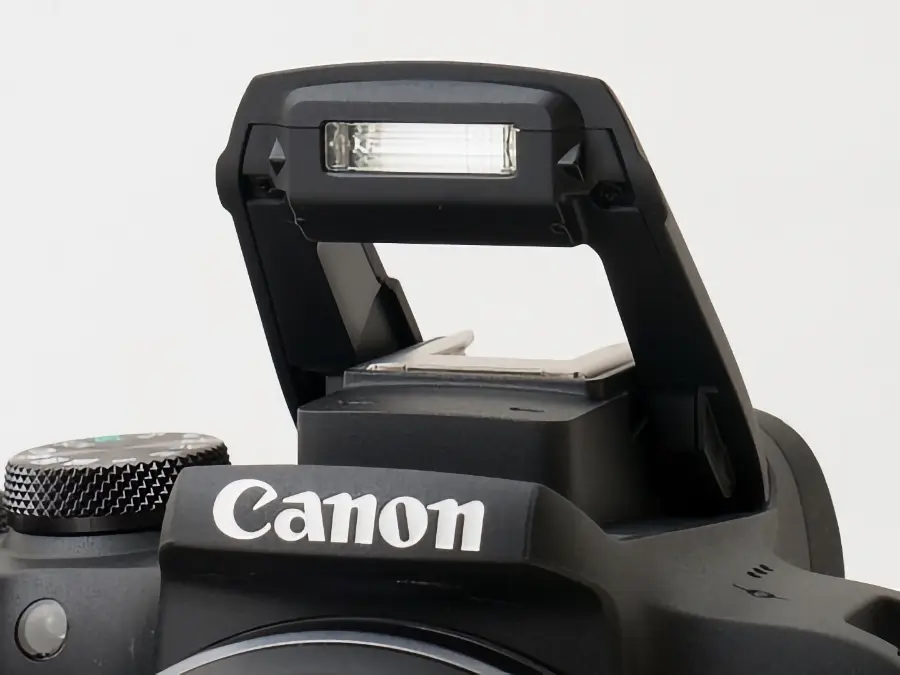
It provides a built-in pop-up flash, allowing for shooting without additional lighting when needed. This is particularly useful for beginners.
🔋 Battery Life and Performance: An Area for Improvement
The battery performance of the Canon EOS R10 is one of its drawbacks.
Limited Battery Life
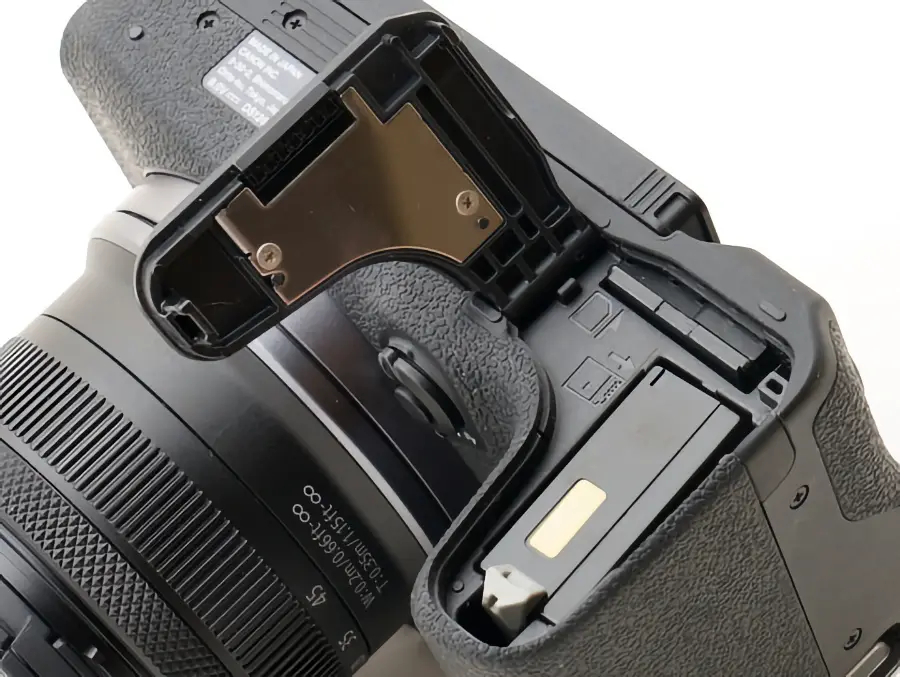
The battery life of about 430 shots according to CIPA standards is somewhat short compared to competing products. Spare batteries may be needed for extended shooting sessions.
Power Management Options
It offers power-saving features like eco mode to extend battery life. However, this may limit some of the camera’s performance.
USB-C Charging
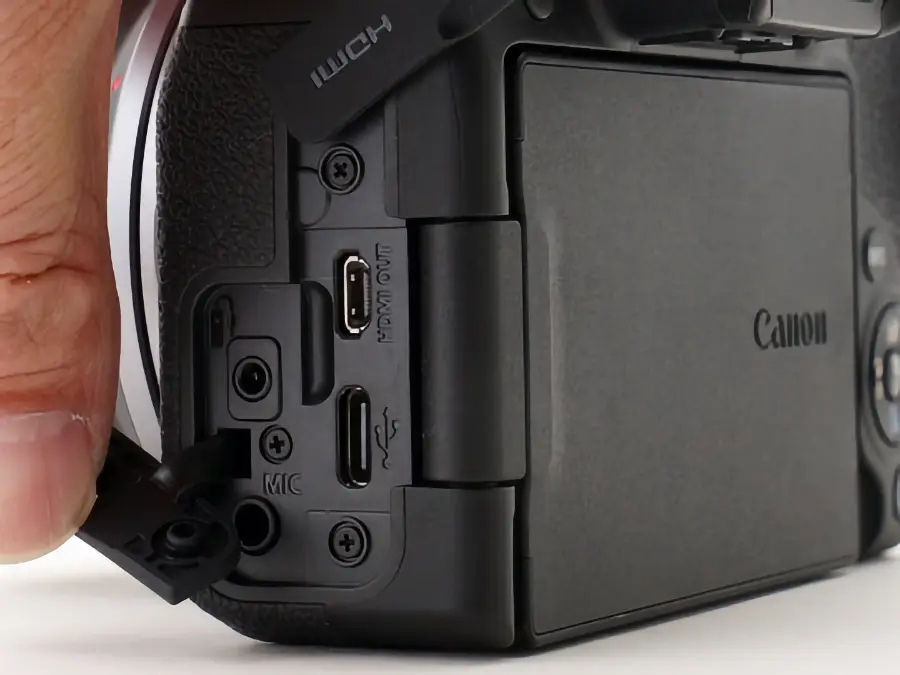
Charging via the USB-C port is possible, allowing easy charging using external batteries or laptops. This is very helpful for battery management when out and about.
📷 Autofocus System: Outstanding Performance

The Canon EOS R10 features the Dual Pixel CMOS AF II system, providing excellent autofocus performance.
Wide AF Area Coverage
651 AF points cover approximately 100% of the frame. This provides great flexibility in composition.
Face, Eye, Animal Recognition AF

It automatically recognizes and focuses on faces and eyes when shooting people or animals. This allows even beginners to easily capture sharp portraits.
Low-light AF Performance
AF functionality is supported even in low-light environments down to -4EV, allowing for accurate focusing in dark conditions.
💡 High-Speed Continuous Shooting: Capturing the Decisive Moment

One of the biggest advantages of the Canon EOS R10 is its excellent continuous shooting performance.
Up to 15fps Mechanical Shutter Burst
High-speed burst shooting of up to 15fps is possible with the mechanical shutter. This is very useful for sports or wildlife photography.
23fps Electronic Shutter Burst
In electronic shutter mode, burst shooting up to 23fps is possible. However, caution is needed regarding the rolling shutter effect.
Limited Buffer
It provides a limited buffer of about 23 shots when shooting RAW. This can be a limiting factor during extended continuous shooting.
🔄 Comparison with Competing Models
To better understand the pros and cons of the Canon EOS R10, let’s compare it with competing models in a similar price range.
Sony A6400
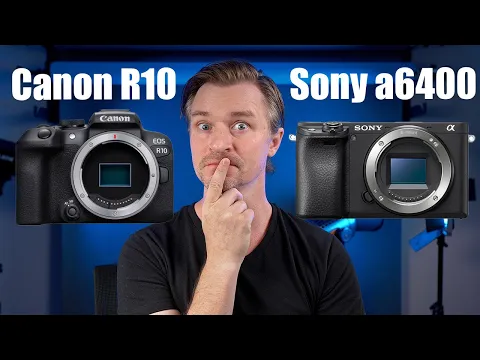
- Pros: Longer battery life, faster electronic shutter burst
- Cons: No 4K/60p support, older sensor technology
The Sony A6400 offers longer battery life and faster electronic shutter burst, but doesn’t support 4K/60p and uses older sensor technology.
Fujifilm X-S10
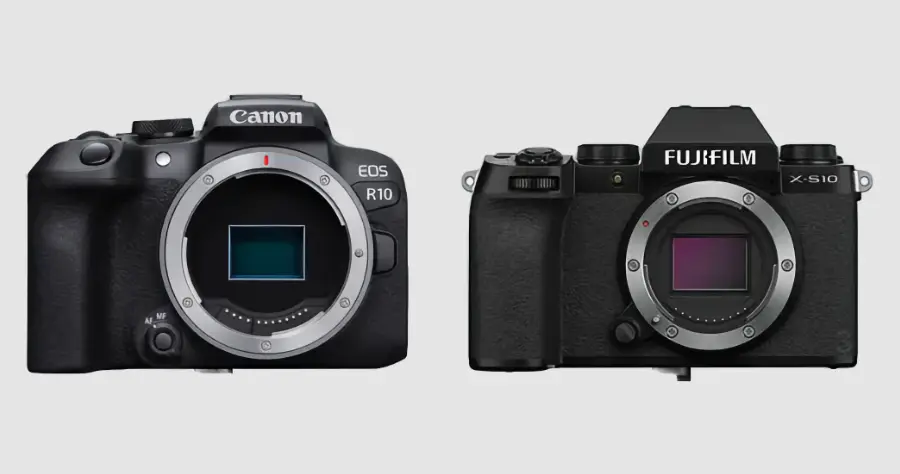
- Pros: In-body image stabilization (IBIS), higher resolution EVF
- Cons: Slower continuous shooting speed, more limited AF coverage
The Fujifilm X-S10 features IBIS and provides a higher resolution EVF, but has a slower continuous shooting speed and more limited AF coverage.
Nikon Z50
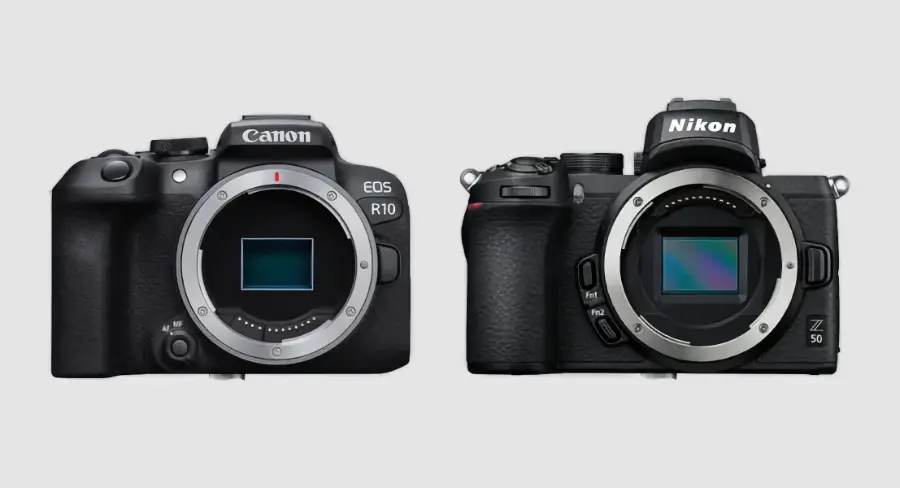
- Pros: More robust body, longer battery life
- Cons: No 4K/60p support, more limited AF performance
The Nikon Z50 offers a more robust body and longer battery life, but doesn’t support 4K/60p and has more limited AF performance compared to the R10.
📸 Real-World Usage Experience and Sample Images
I’ll share the results of using the Canon EOS R10 in various situations.
Everyday Snapshots

Using the kit lens RF-S 18-45mm F4.5-6.3 IS STM for everyday snapshots, the R10 showed excellent performance. Natural color reproduction and sharp details stood out, and satisfactory results were obtained in most situations even in auto mode.
Portrait Photography

It also performed well in portrait photography utilizing face and eye recognition AF. Focus was accurate, and skin tones were naturally rendered.
Sports Photography
The R10 demonstrated impressive capabilities in sports photography, utilizing 15fps high-speed burst and excellent AF tracking performance. It could accurately capture fast-moving subjects.
Video Recording
While the quality was very good when shooting 4K/30p video, rolling shutter effect was noticeable during fast panning. The 1080p/120fps slow-motion mode was particularly impressive.
🔧 Key Issues and Areas for Improvement
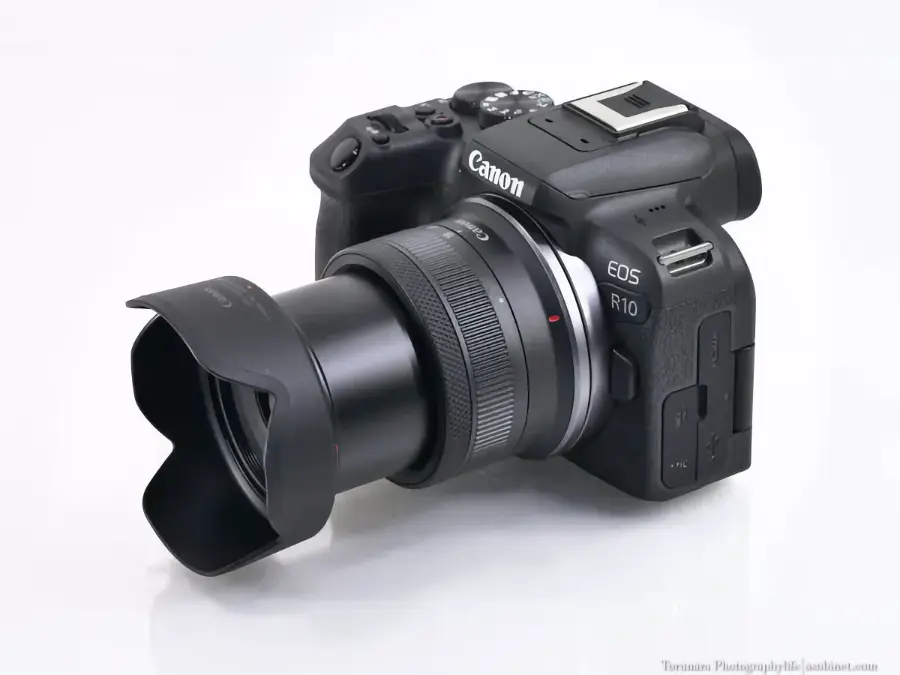
Here are the main issues and areas needing improvement that I discovered while using the Canon EOS R10.
Rolling Shutter Effect
Severe rolling shutter effect occurs in 4K video mode. This can be a significant limitation when shooting fast movements.
Lack of IBIS
The lack of in-body image stabilization (IBIS) puts it at a disadvantage compared to competing products in a similar price range. This is particularly disappointing for video shooting.
Limited APS-C Dedicated RF Lenses
Currently, the choice of RF-mount APS-C dedicated lenses is very limited. This is a drawback in terms of system expandability.
📊 Summary of Canon EOS R10 Pros and Cons

Pros
- Excellent autofocus performance
- High-speed continuous shooting capability up to 15fps
- 4K/60p video recording support
- User-friendly interface
- Compact and lightweight body
- Excellent image quality
Cons
- Severe rolling shutter effect in 4K mode
- Lack of IBIS (In-Body Image Stabilization)
- Limited battery life
- Limited choice of APS-C dedicated RF lenses
- Limited buffer capacity
🎯 Recommended Users and Applications
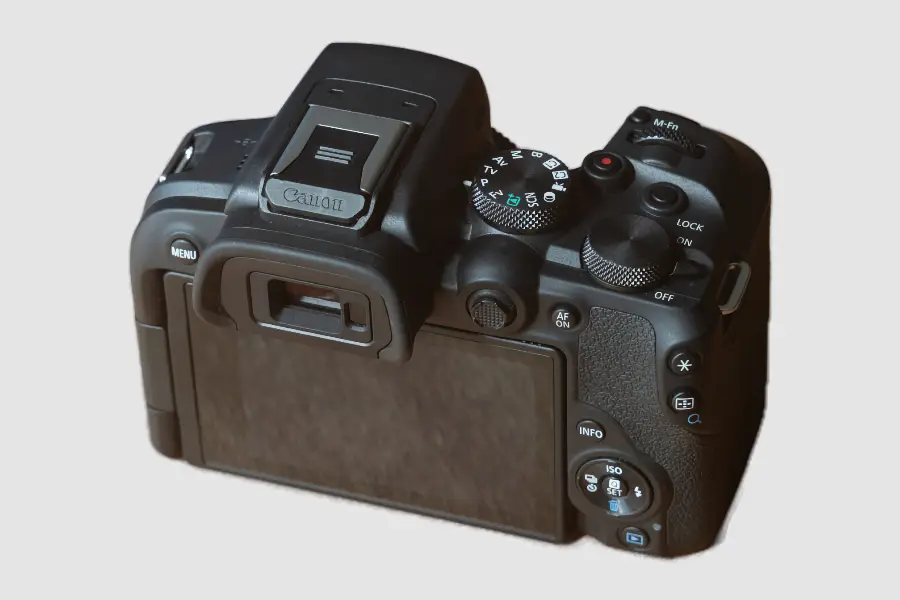
The Canon EOS R10 is suitable for the following users and applications:
- Canon users transitioning from DSLR to mirrorless
- Hybrid shooters wanting to capture both high-quality photos and videos
- Beginners interested in sports or wildlife photography
- Travel photographers looking for a lightweight camera
- Content creators producing YouTube or vlog content
On the other hand, it may not be recommended for:
- Users focusing on professional video production
- Photographers primarily shooting in low-light environments
- Users who require IBIS
- Users wanting to use a variety of APS-C dedicated lenses
🏁 Conclusion: An Entry-Level Mirrorless Camera with Outstanding Performance
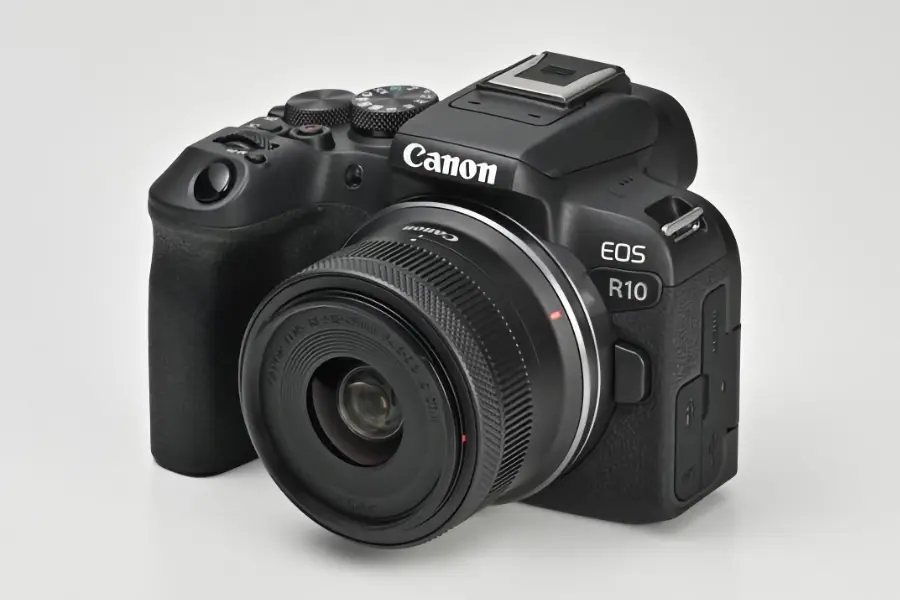
The Canon EOS R10 is an excellent mirrorless camera for beginners and enthusiastic amateur photographers. It offers features typically found in higher-end models, such as outstanding autofocus performance, high-speed continuous shooting capability, and 4K/60p video recording support, all at a reasonable price.
It’s particularly a good choice for users transitioning from Canon DSLRs to mirrorless systems. They can maintain familiar interface and handling while enjoying the benefits of the latest mirrorless technology.
However, the severe rolling shutter effect in 4K video mode, lack of IBIS, and limited battery life are drawbacks that must be considered before purchase. The current limited availability of RF-mount APS-C dedicated lenses should also be noted.
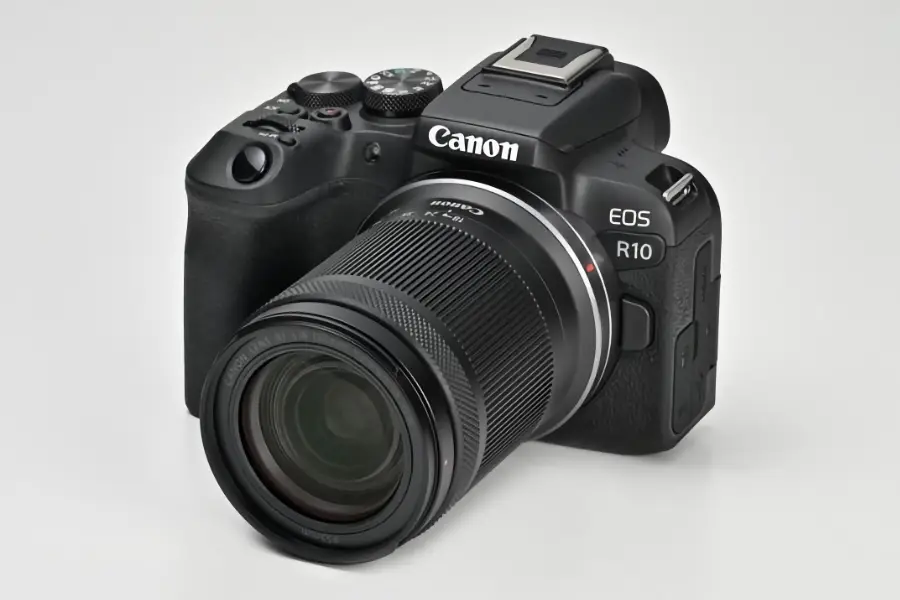
In conclusion, the Canon EOS R10 is a camera that delivers great performance for the money. It’s highly recommended for beginners, enthusiastic amateur photographers, and professionals looking for a lightweight second body. However, it’s advisable to carefully consider your shooting style and requirements before purchasing, and if possible, try it out in person.
While the Canon EOS R10 isn’t a perfect camera, it’s a tool that can greatly enhance the joy of photo and video shooting for the right user. We hope this camera will help your creativity shine even brighter.
Learn more about the EOS R10 on Canon’s official website
This concludes our detailed review of the Canon EOS R10. We hope it has been helpful for those considering a purchase. If you have any questions or need additional information, please don’t hesitate to ask. Thank you!