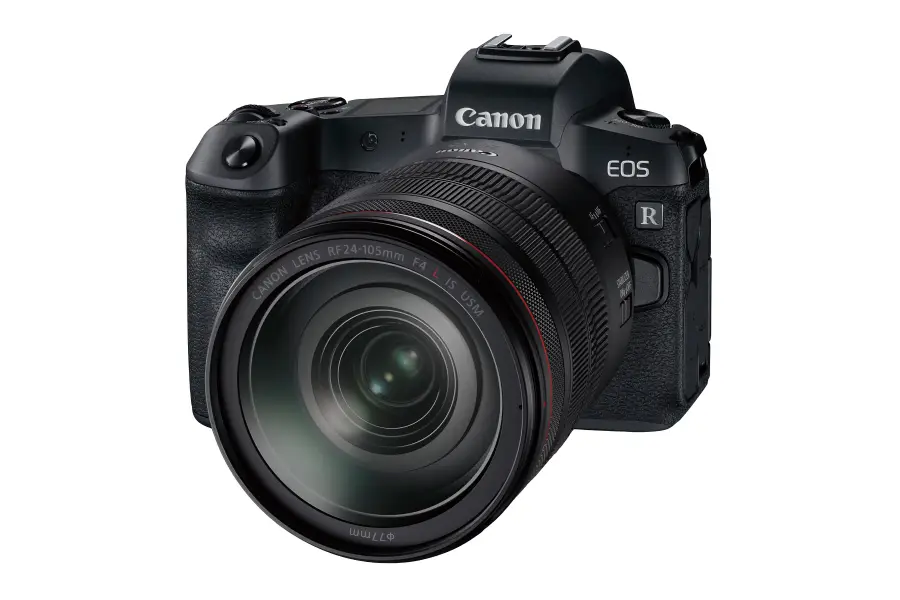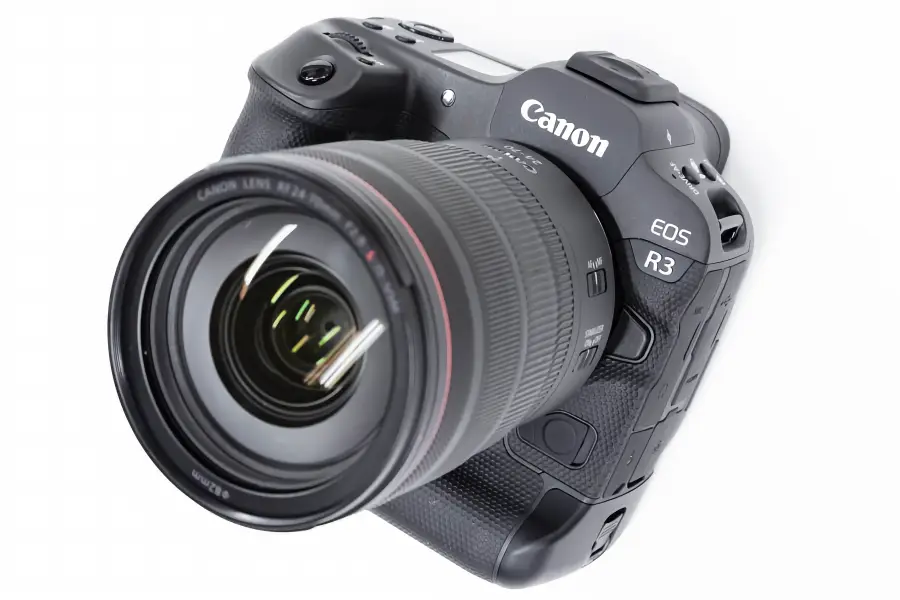

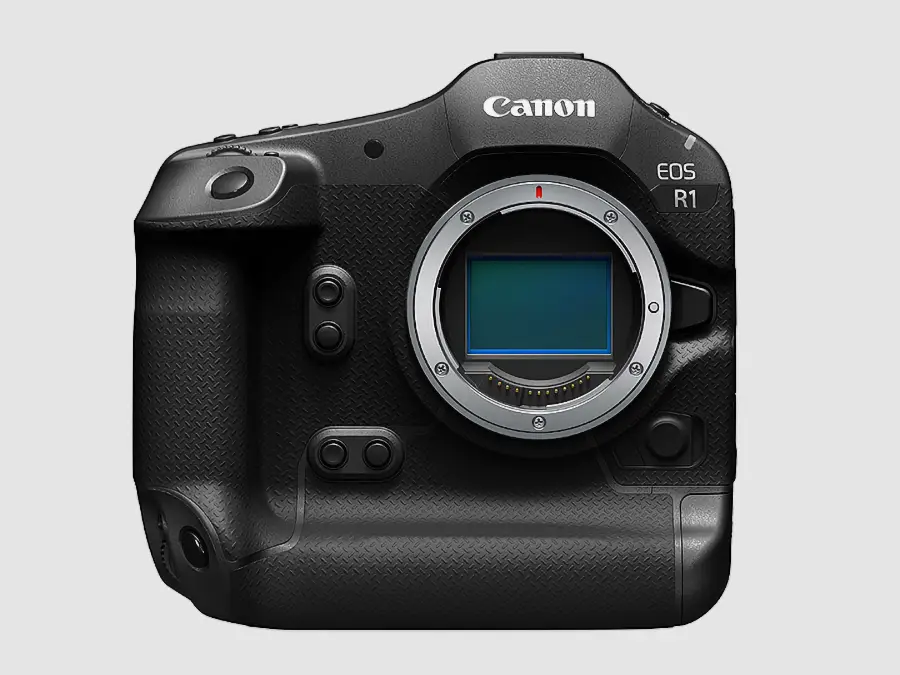
Canon’s latest flagship mirrorless camera, the EOS R1, has finally been unveiled. Specifically designed for professional sports photographers, this camera is packed with innovative features. In this review, we’ll take a detailed look at the EOS R1’s key features, performance, and real-world experience.
📊 Canon EOS R1 Key Specifications
| Specification | Description |
|---|---|
| Sensor | 24.2MP full-frame stacked CMOS |
| Continuous Shooting | Up to 40fps (electronic shutter) |
| Autofocus | Dual Pixel CMOS AF II, AI-based subject recognition |
| Viewfinder | 9.44M dot OLED EVF, 0.9x magnification |
| Video | 8K 30p, 4K 120p |
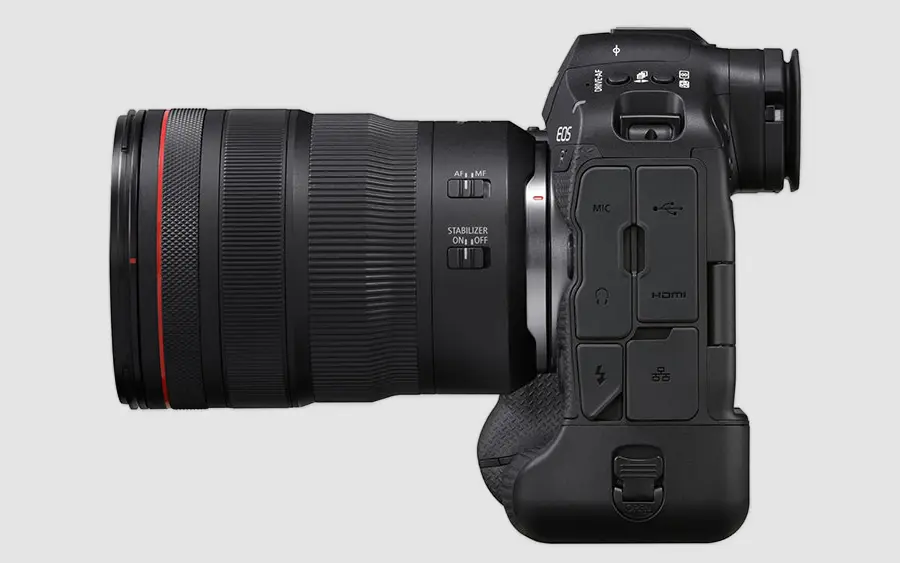
| Body | Integrated vertical grip, fully weather-sealed |
| Connectivity | Wi-Fi 6E, 2.5Gb Ethernet, USB-C |
| Storage Media | Dual CFexpress Type B |
| Battery | LP-E19, CIPA rated for approx. 1330 shots |
| Dimensions | Approx. 158 x 167.6 x 91.7 mm |
| Weight | Approx. 1,270g (including battery and memory card) |
🔍 Sensor and Image Quality
📸 24.2MP Stacked Sensor Innovation

The Canon EOS R1 features a 24.2MP full-frame stacked CMOS sensor. This sensor is a new design, different from the one used in the EOS R3, boasting faster readout speeds. According to Canon, the R1’s rolling shutter effect is even faster than the mechanical shutter of the 1DX Mark III.
In real-world tests, images captured while panning quickly at 40fps showed almost no distortion of vertical lines. This will be a significant advantage when photographing sports or fast-moving subjects.
🔮 AI Upscaling for Enhanced Resolution
Instead of a pixel shift mode, the R1 offers AI-based upscaling. This feature can increase the resolution of JPEG or HEIF files by 4x (2x per axis) to create 96MP images in-camera. The processing time is about 5 seconds.
Comparing upscaled images with the originals reveals intelligently enhanced sharpness and more details in specific areas. The process seems to recognize particular elements of the subject and enhance each differently.
💡 Evolution of Noise Reduction
The R1 also introduces a new neural network-based noise reduction feature. This option can be selected when processing RAW files, with results saved as new JPEG or HEIF files.
Comparing images shot at ISO 12,800, the version with neural network noise reduction applied was noticeably cleaner with better-defined edges than the original. The effect of this feature is particularly pronounced at high sensitivities.
🚀 Burst Performance and Buffer

⚡ Impressive 40fps Speed
One of the Canon EOS R1’s standout features is its remarkable burst performance. It can achieve continuous shooting speeds of up to 40fps using the electronic shutter, which is industry-leading. Even with the mechanical shutter, it offers a fast 12fps.
Notably, the camera provides a range of frame rate options: 40, 30, 20, 15, 12, 10, 7.5, 5, 3, 2, and 1fps, allowing flexibility for various shooting scenarios.
🕰️ Pre-Capture for Decisive Moments
The R1 offers a pre-capture option when using the electronic shutter. This feature stores up to 20 images in the buffer while the shutter button is half-pressed. At 40fps, it captures 0.5 seconds of action, or 1 second at 20fps.
This feature is invaluable for capturing unpredictable action, such as the moment a soccer ball is kicked or a bird takes flight. It ensures you don’t miss the critical moment while waiting for the perfect time to press the shutter.
🌡️ Thermal Management Capability
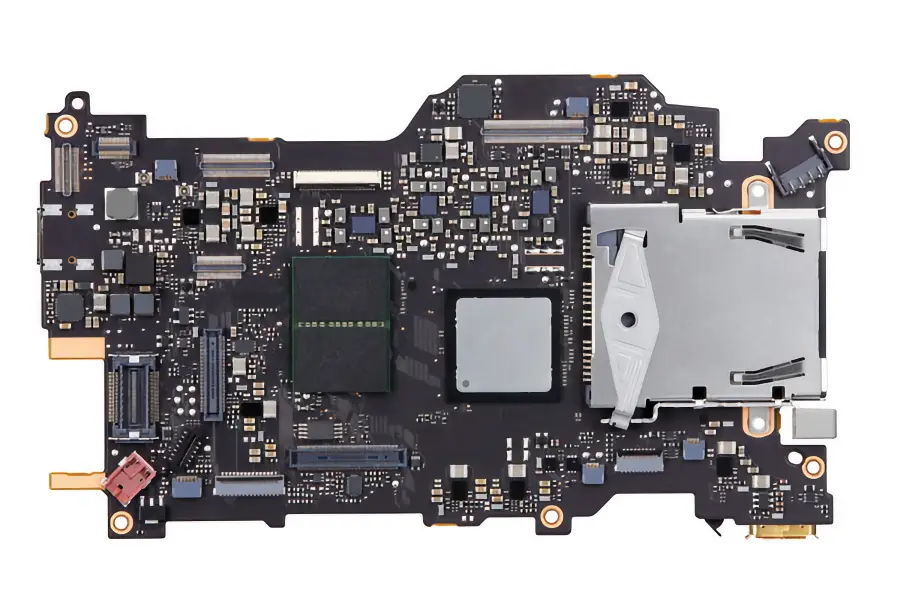
The R1 maintained consistent temperatures even during extended high-speed burst shooting and pre-capture use. This is one advantage of the R1’s large body, which allows for effective separation of internal heat-generating components and better thermal management.
However, some tests observed banding when shooting very bright artificial lights directly. This could be due to the electronic shutter and may be improved in the final product.
🎯 Innovative Autofocus System
🧠 AI-Based Subject Recognition

The Canon EOS R1’s autofocus system has evolved further with the help of the new DIGIC X processor. In addition to recognizing people, animals, and vehicles, it can now identify new subjects such as horses, airplanes, and trains.
Person recognition, in particular, has been significantly improved. It can more accurately identify faces and upper bodies, maintaining focus on the original subject even when another person crosses in front. The ability to recognize actual sports movements has also been added.
⚽ Action Priority Mode
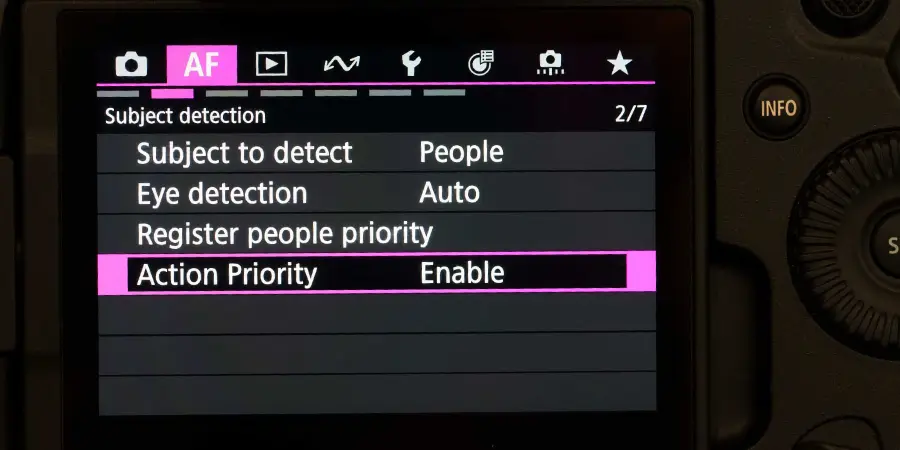
The new ‘Action Priority’ mode uses knowledge of three sports - soccer, basketball, and volleyball - to predict ball movement in games and automatically switch AF areas. For example, if it recognizes one player passing to another, it automatically shifts focus to the receiving player.
Currently limited to these three sports that use large round balls, there’s potential for expansion to other sports in the future.
👤 Face Registration Feature
The R1 allows registration of up to 10 faces with assigned priorities. Impressively, registration is possible with just a single frontal photo. Registered faces are indicated by special icons in live view and continue to be recognized even when the person turns to a profile view.
This feature is not only useful for focusing on specific players in sports events but also practical for wedding or event photography where key individuals can be pre-registered for priority focus.
🔄 Cross-Type AF Sensors
The R1 is Canon’s first camera to feature cross-type automatic focus imaging sensors. In the traditional 2x2 Bayer array, the photodiode pair under the second green filter is rotated 90 degrees to implement the cross-type functionality.
This results in improved focus accuracy for vertical details, making the R1’s AF noticeably faster and more responsive than the R5 Mark II.
👁️ Enhanced Viewfinder and Eye Control
📺 High-Resolution OLED EVF
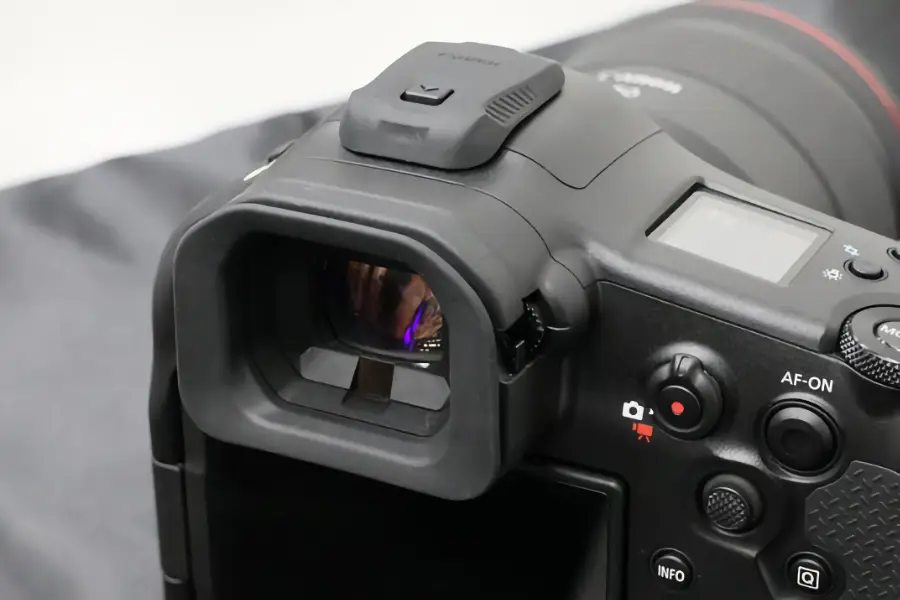
The Canon EOS R1 features a top-of-the-line electronic viewfinder with a 9.44 million dot OLED panel and 0.9x magnification. This provides a larger, more detailed, and brighter image than the R3.
It also offers a blackout-free shooting option, allowing uninterrupted subject tracking during continuous shooting. However, using this feature may introduce slight latency.
👀 Improved Eye Control Technology
The R1 has further developed the eye control technology first introduced in the R3. This feature tracks the user’s pupil position to select AF points.
Eye control is particularly useful for selecting among subjects already recognized by the AF system. For example, it can quickly choose a desired subject among a sports team, a flock of birds, or multiple people at a wedding.
Accuracy can be improved by repeating the calibration process, and settings for multiple users can be saved, making it useful in shared camera environments.
🎥 Video Capabilities

🎞️ Various Resolutions and Frame Rates
The Canon EOS R1 boasts impressive video performance. It can shoot up to 8K 30p or 4K 120p, supporting both traditional 16:9 UHD format and wide DCI format.
In 4K Fine mode, it oversamples from 6K data for sharper footage, and 6K DCI can be shot up to 60p in Canon’s CRM RAW format. It also supports ProRes RAW output via HDMI.
🔄 Video Pre-Capture
The R1 offers a pre-capture function for video as well. You can choose a 3 or 5-second buffer, ensuring you don’t miss crucial moments.
📸 Simultaneous Capture Mode
A new feature allows simultaneous capture of still images during video recording. However, in this mode, video quality is limited to 1080p, and still images are captured at 17 megapixel resolution in 16:9 ratio.
🌡️ Thermal Management and Extended Recording
The R1 uses graphite sheets and aluminum alloy plates for the sensor and card slots to effectively dissipate heat. According to Canon, continuous recording for at least 2 hours is possible in most formats up to 60p.
Considering that the previous R3 model was only limited by memory or battery capacity, the R1 is expected to show similar stability.
📐 Design and Ergonomics
🏋️ Robust Body with Integrated Vertical Grip
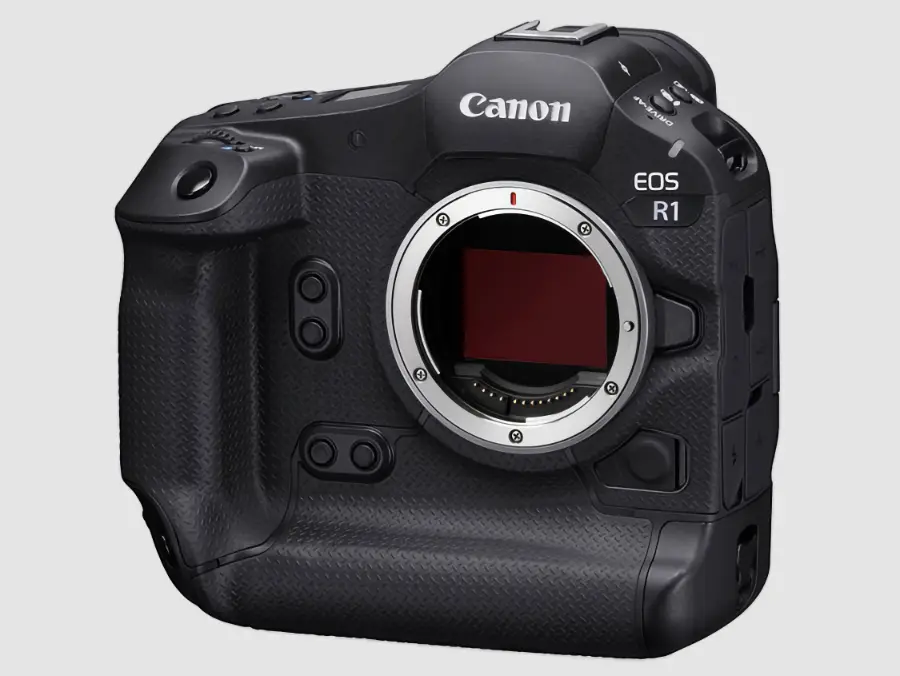
The Canon EOS R1 boasts a sturdy and durable body. It’s slightly larger and heavier than the R3 but still smaller and lighter than the 1DX Mark III DSLR.
The integrated vertical grip adds definite robustness and reliability to the camera. Its fully weather-sealed design allows for worry-free use in any shooting environment.
🔄 Dual Control Layout
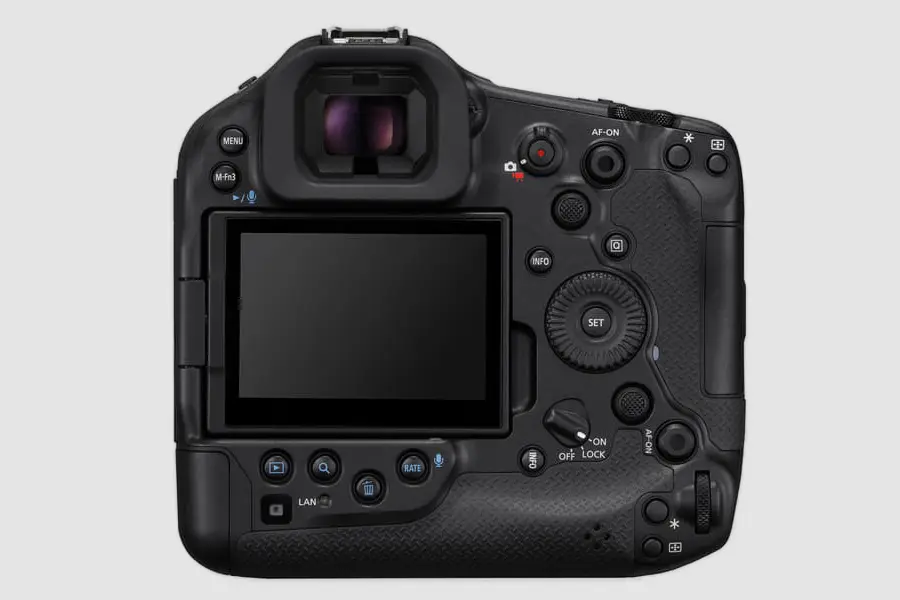
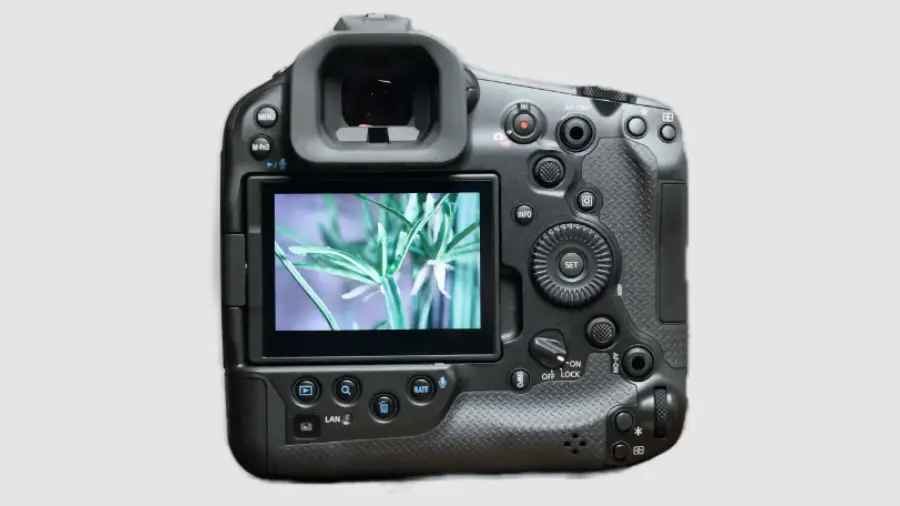
The R1 duplicates key controls for convenient operation in both horizontal and vertical shooting. The joystick, smart controller, AF-ON button, and others are identically positioned on the vertical grip, allowing for quick and intuitive operation in any posture.
💡 Backlit Buttons
Like the 1DX Mark III, the R1 also features backlit rear buttons. This enhances usability by making buttons easily identifiable in dark environments.
🔌 Connectivity and Storage Media
🌐 High-Speed Network Support
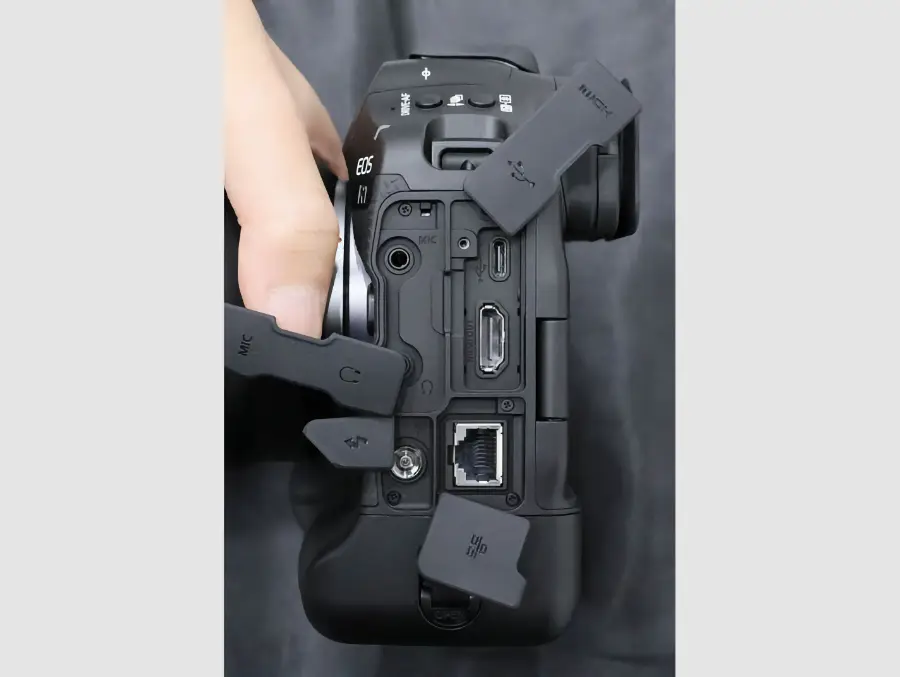
The R1 supports the latest Wi-Fi 6E, allowing connection to less congested 6GHz networks. The Ethernet port has also been upgraded to support 2.5Gb speed, enabling faster wired connections.
📡 Built-in GPS
Like the R3, the R1 features a built-in GPS receiver. This allows tagging of images with location data and local time without additional accessories.
💾 Dual CFexpress Type B Card Slots
The R1 provides two CFexpress Type B card slots. This is the same configuration as the 1DX Mark III, ensuring fast write speeds necessary for high-speed continuous shooting and high-resolution video recording.
🔋 Battery Life
The R1 uses the LP-E19 battery pack, providing approximately 1,330 shots when using the screen and about 700 shots when using the viewfinder, according to CIPA standards. This is an improvement over the R3, but in real-world use, many more shots are likely possible.
💰 Price and Release Date
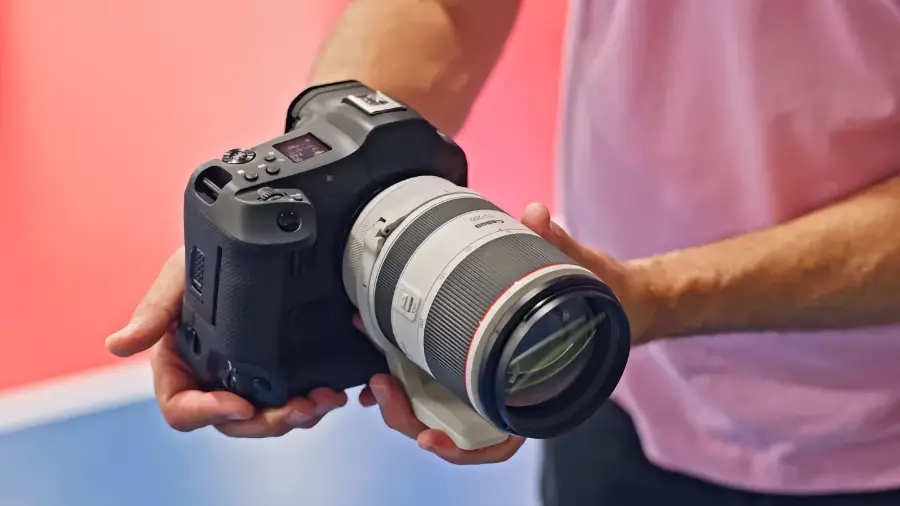
The Canon EOS R1 is scheduled for release in July 2024, with a price tag of approximately $6,300 or £7,000. While this is an expected price range for a pro-level flagship camera, it still represents a significant investment.
🆚 Comparison with Competing Models
Canon EOS R1 vs Sony A9 III

Sensor: The R1 uses a 24.2MP stacked sensor, while the A9 III uses a 24.6MP global shutter sensor. The A9 III’s global shutter completely eliminates rolling shutter effect, but the R1’s stacked sensor also provides very fast readout speeds.
Burst Speed: The R1 offers up to 40fps, while the A9 III provides up to 120fps. While the A9 III is significantly faster, the R1’s 40fps should be sufficient for most situations.
Autofocus: Both cameras feature state-of-the-art AI-based AF systems. The R1’s cross-type sensor and the A9 III’s speed are their respective advantages.
Video Capabilities: The R1 supports 8K recording, while the A9 III is limited to 4K 60p. The R1 has an edge in video features.
Canon EOS R1 vs Nikon Z9

Resolution: The Z9 offers 45.7MP compared to the R1’s 24.2MP. This could be advantageous for larger prints or when more cropping is needed.
Burst Speed: The R1 offers 40fps, while the Z9 supports up to 120fps (at 11MP). At full resolution, the Z9 is limited to 20fps.
Video Capabilities: Both cameras support 8K recording and offer advanced video features.
Body Design: Both cameras feature integrated vertical grips and boast robust durability.
Canon EOS R1 vs Canon EOS R3

Sensor: Both cameras use 24.2MP stacked sensors, but the R1’s sensor provides faster readout speeds.
Burst Speed: The R1 offers 40fps, while the R3 provides a maximum of 30fps.
Viewfinder: The R1 uses a 9.44M dot EVF, while the R3 has a 5.76M dot EVF. The R1’s viewfinder is clearer and more detailed.
Video Capabilities: The R1 supports 8K recording, while the R3 is limited to 6K.
Price: The R1 is positioned at a significantly higher price point than the R3.
🎭 Pros and Cons Analysis
👍 Pros
- Excellent burst performance and pre-capture function
- Innovative AI-based autofocus system
- High-resolution EVF and improved eye control
- Powerful 8K video capabilities
- Robust and ergonomic body design
- Enhanced network connectivity
👎 Cons
- High price point
- Lack of global shutter
- Banding in some situations (based on pre-production model)
- Limited upgrade elements compared to the R3
🏁 Conclusion
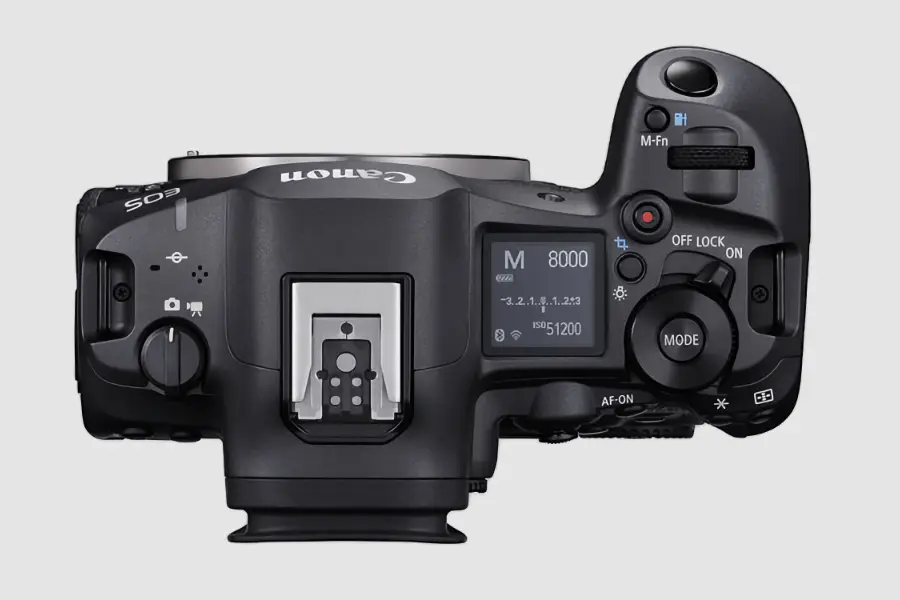
The Canon EOS R1 is a top-tier mirrorless camera designed for professional sports and action photographers. It combines fast burst speeds, accurate autofocus, and excellent image quality to excel at capturing decisive moments. With its 8K video recording capabilities, it also proves to be a versatile tool.
The R1’s greatest strength lies in its comprehensive performance. The 24.2MP stacked sensor, 40fps burst shooting, AI-based autofocus, high-resolution EVF, and robust body all work harmoniously to set a new standard for professional cameras.
It’s particularly well-suited for fields that demand quick response times and accurate focusing, such as sports, wildlife, and event photography. The pre-capture function and improved eye control are powerful tools for ensuring you don’t miss critical moments.
However, the absence of a global shutter and relatively limited resolution may disappoint some users. Also, considering the incremental improvements over the R3, current R3 users might not find a compelling need to upgrade.
From a pricing perspective, the approximately $6,300 price tag represents a high entry barrier, primarily targeting professional photographers and agencies. However, it seems to offer performance and reliability commensurate with its price.
💡 Purchase Recommendation
Professional Sports Photographers: The R1 is highly recommended for its fast burst, accurate AF, and robust body optimized for sports shooting.
Wildlife Photographers: Improved animal recognition AF and long battery life make it suitable for fieldwork.
News/Photojournalists: The R1’s performance will shine in situations requiring quick response and high reliability.
Wedding/Event Photographers: Face recognition and registration features, along with excellent low-light performance, allow adaptation to various shooting environments.
4K/8K Video Producers: It can be a good choice for professionals needing high-quality video capabilities.
On the other hand, the R1 might be overkill for:
Hobby Photographers: Many of the R1’s features may be unnecessary, and its price-to-utility ratio might be low.
Landscape/Studio Photographers: High resolution might be more important than high-speed burst or advanced AF systems. In this case, the EOS R5 or other high-resolution cameras might be worth considering.
Current EOS R3 Users: The upgrade scope provided by the R1 is limited, so there may not be an immediate need for replacement.
Overall, the Canon EOS R1 is highly recommended for professional photographers seeking top-tier specifications. It’s expected to excel particularly in sports, wildlife, and photojournalism fields. However, given its high price, it’s advisable to carefully consider your shooting style and needs before making a purchase decision.
With the EOS R1, Canon seems to be reaffirming its leadership in the mirrorless market. Combining innovative technology with traditional reliability, the R1 is poised to be a major player in the professional camera market for the next few years.