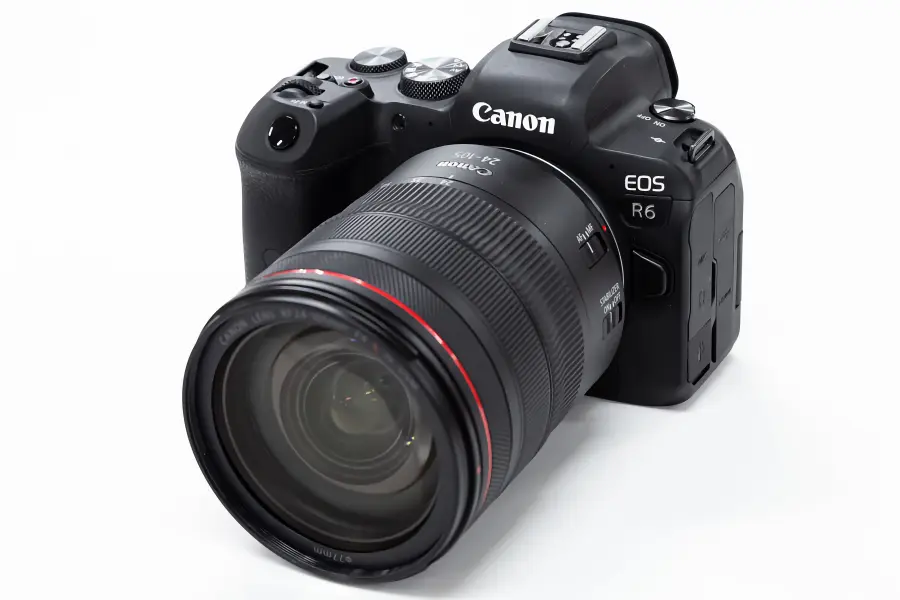

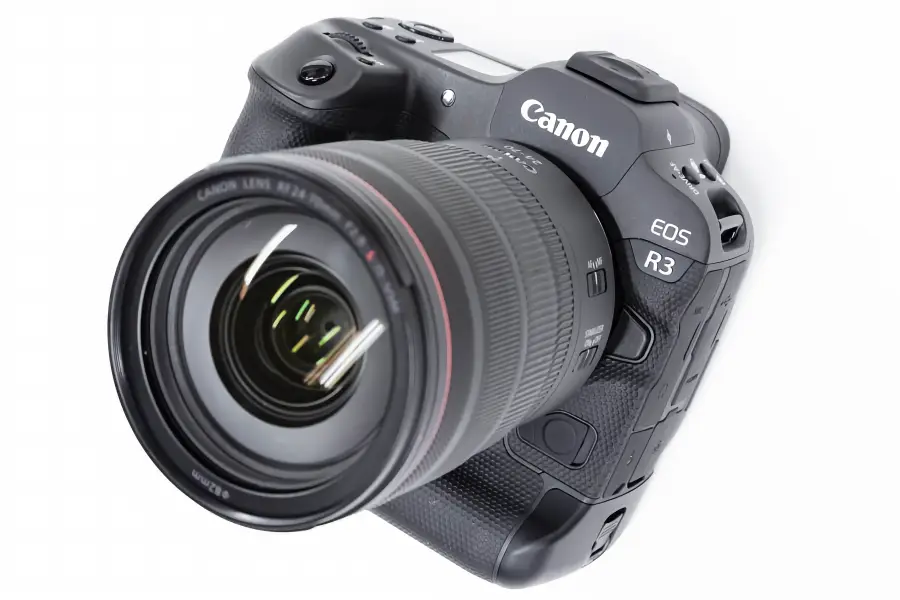
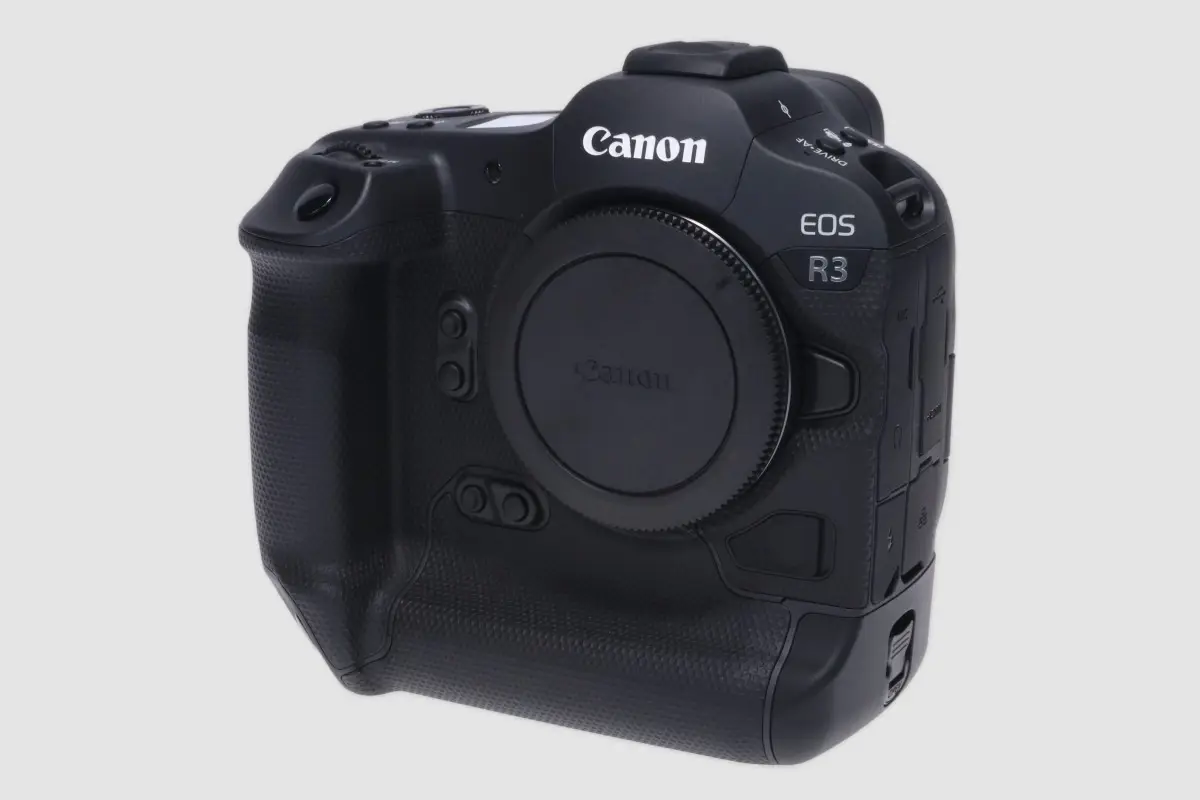
The Canon EOS R3 has established itself as the new benchmark in mirrorless cameras since its release, earning the trust of professional photographers over the past year. Equipped with a 24.1MP BSI stacked CMOS sensor, capable of up to 30fps continuous shooting, and featuring the innovative Eye Control AF system, the R3 has garnered significant attention in sports, wildlife, and photojournalism fields. This review will delve into the R3’s performance and features based on a year of real-world usage, including a comparative analysis with its competitor, the Sony A1.
Canon EOS R3 Detailed Specifications
| Specification | Description |
|---|---|
| Sensor | 24.1MP BSI stacked CMOS |
| Processor | DIGIC X |
| AF System | Dual Pixel CMOS AF II |
| Continuous Shooting | Up to 30fps (electronic shutter), 12fps (mechanical shutter) |
| Buffer | Up to 150 shots (RAW, at 30fps) |
| ISO Range | 100-102,400 (expandable to 204,800) |
| Viewfinder | 5.76M dot OLED EVF, 120fps |
| Monitor | 3.2-inch 4.2M dot vari-angle touch LCD |
| Video | 6K 60p RAW, 4K 120p 10-bit |
| Storage Media | 1x CFexpress Type B, 1x SD UHS-II |
| Battery | LP-E19 |
| Dimensions | 150 x 142.6 x 87.2mm |
| Weight | Approx. 1,015g (including battery and memory card) |
📸 Image Quality and Sensor Performance
The Canon EOS R3’s 24.1MP BSI stacked CMOS sensor prioritizes speed and performance over resolution.
Rich Detail and Wide Dynamic Range

Despite its relatively lower resolution, the R3’s sensor delivers rich detail. Its wide dynamic range particularly excels in high-contrast scenes.
Outstanding Low-light Performance

With a native ISO range of 100 to 102,400, the R3 demonstrates excellent noise control at high sensitivities. In practical use, images up to ISO 8,000 maintain usable quality.
Flexibility of 14-bit RAW Files

The 14-bit RAW files offer high flexibility in post-processing. This is particularly beneficial when adjusting exposure or white balance, resulting in high-quality output with minimal data loss.
🚀 Continuous Shooting Performance and Buffer

The Canon EOS R3’s continuous shooting performance meets the demands of professional sports and wildlife photographers.
High-speed 30fps Continuous Shooting
With the electronic shutter, the R3 can achieve up to 30fps continuous shooting, which is invaluable for capturing split-second action.
Generous Buffer Capacity
The ability to capture up to 150 RAW files continuously allows for 5 seconds of uninterrupted 30fps shooting. This is sufficient to cover most action sequences.
Blackout-free Viewfinder
When using the electronic shutter, the R3 provides a blackout-free viewfinder experience, enabling continuous tracking of fast-moving subjects.
🎯 Innovative Autofocus System

The Canon EOS R3’s autofocus system boasts one of the best performances in the current market.
Dual Pixel CMOS AF II
The enhanced Dual Pixel CMOS AF II system delivers fast and accurate focusing. Its tracking performance for moving subjects is particularly impressive.
Intelligent Subject Recognition
The system can recognize and track human eyes, faces, and heads, as well as animals (dogs, cats, birds) and vehicles. This versatility proves useful in various shooting scenarios.
Eye Control AF
The newly introduced Eye Control AF is an innovative feature allowing users to select AF points through eye movement. However, its usefulness may vary depending on the situation and user preference.
🎥 Professional-grade Video Features
The Canon EOS R3 offers professional-grade video capabilities alongside high-quality still imagery.
6K RAW Video Recording

Internal 6K RAW video recording is possible at up to 60fps. This is suitable for film production or high-quality documentary work.
4K 120p Slow Motion

The ability to shoot at up to 120fps in 4K resolution allows for smooth slow-motion footage. However, full pixel readout is not possible at 120fps.
Unlimited Recording Time
The R3 can record without time limits, free from overheating issues. This is a significant advantage for long interviews or event coverage.
🔋 Battery Life and Power Management
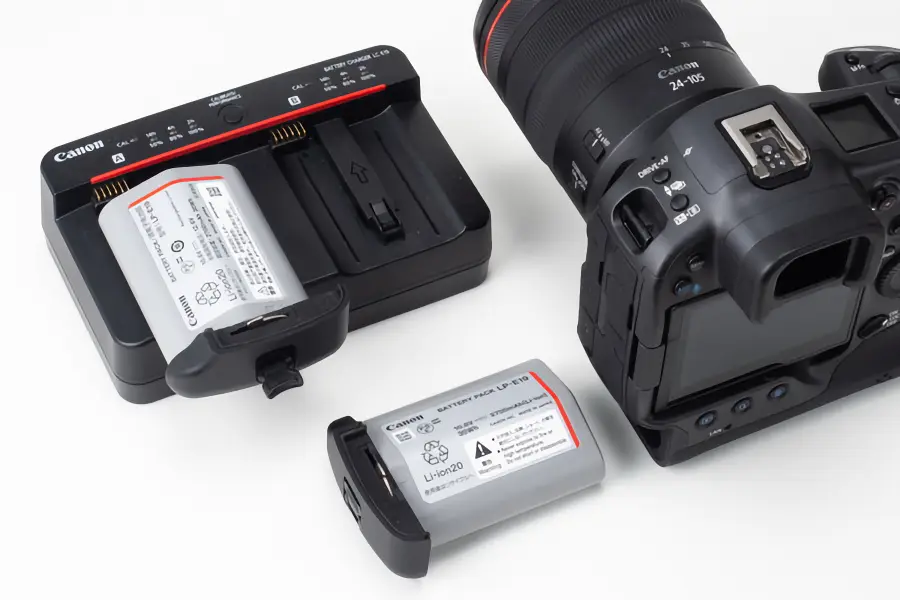
The Canon EOS R3 uses the high-capacity LP-E19 battery, providing extended shooting times.
Real-world Usage Time
According to CIPA standards, the R3 can capture approximately 620 shots. In real-world use, this number can be significantly higher, and can be further extended through power management settings.
USB-C Charging and Power Delivery
USB-C charging and external power supply capabilities are useful for extended shooting sessions.
Power Management Options
Various power management options allow for battery life optimization. These include adjusting EVF and LCD brightness and frame rates, and setting auto power-off times.
💾 Dual Card Slots and Storage Options
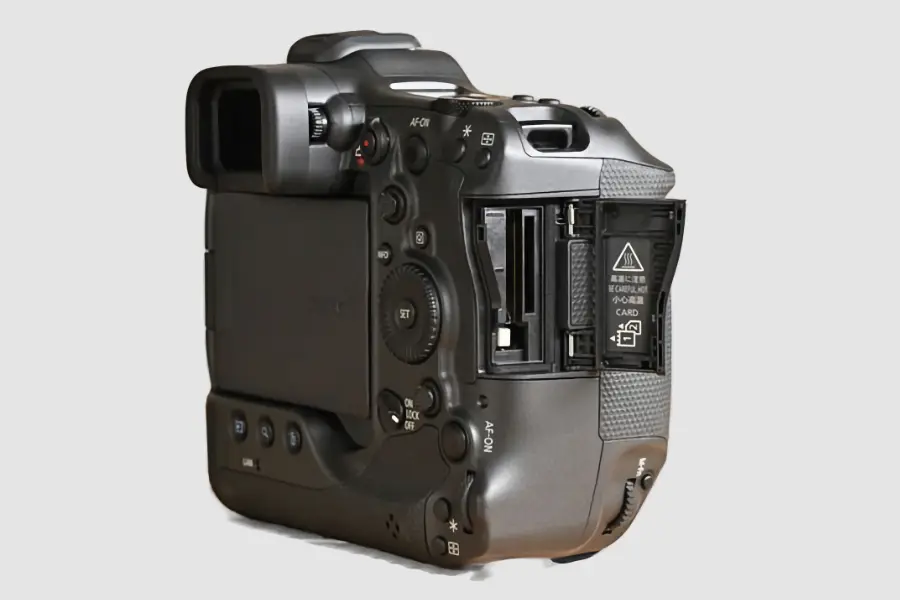
The Canon EOS R3 provides a CFexpress Type B slot and an SD UHS-II slot.
CFexpress Speed
CFexpress Type B cards offer sufficient write speeds for ultra-high-speed continuous shooting and 6K RAW video recording.
SD Card Compatibility
The SD UHS-II slot provides compatibility with existing equipment and offers sufficient performance for most general shooting situations.
Flexible Storage Options
Utilizing both card slots allows for various options such as separating RAW and JPEG storage, real-time backup, or separating still and video storage.
🖥️ User Interface and Usability
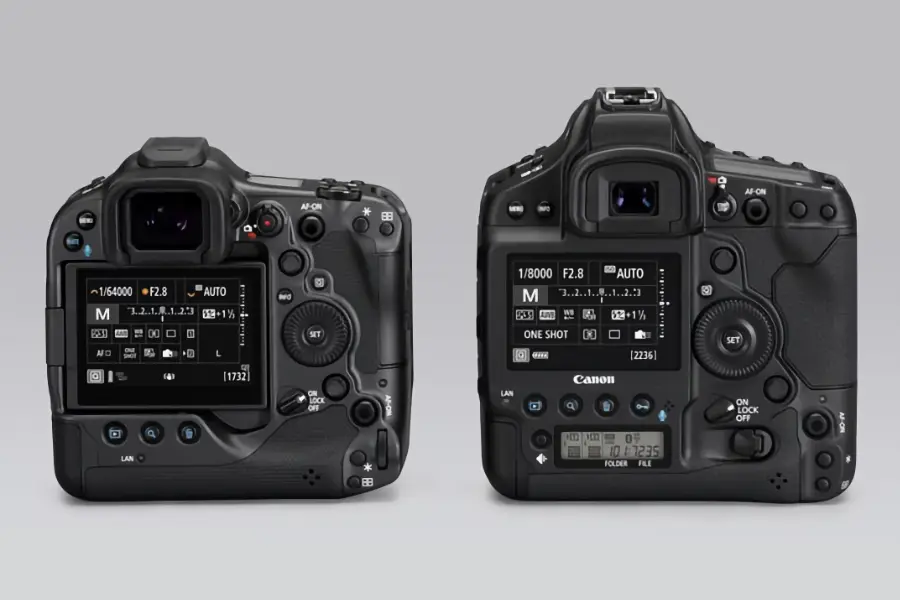
The Canon EOS R3 satisfies professional demands with its intuitive user interface and excellent usability.
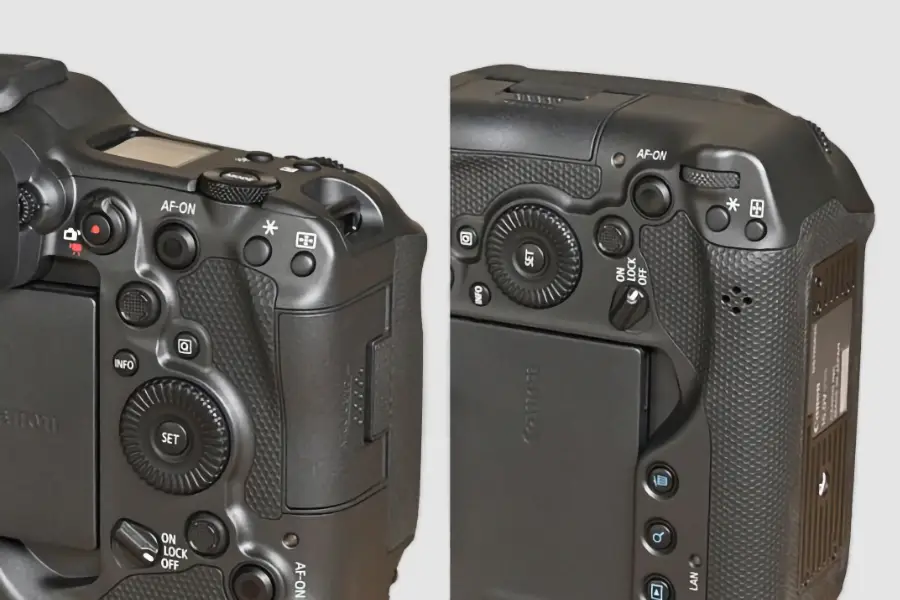
Ergonomic Design
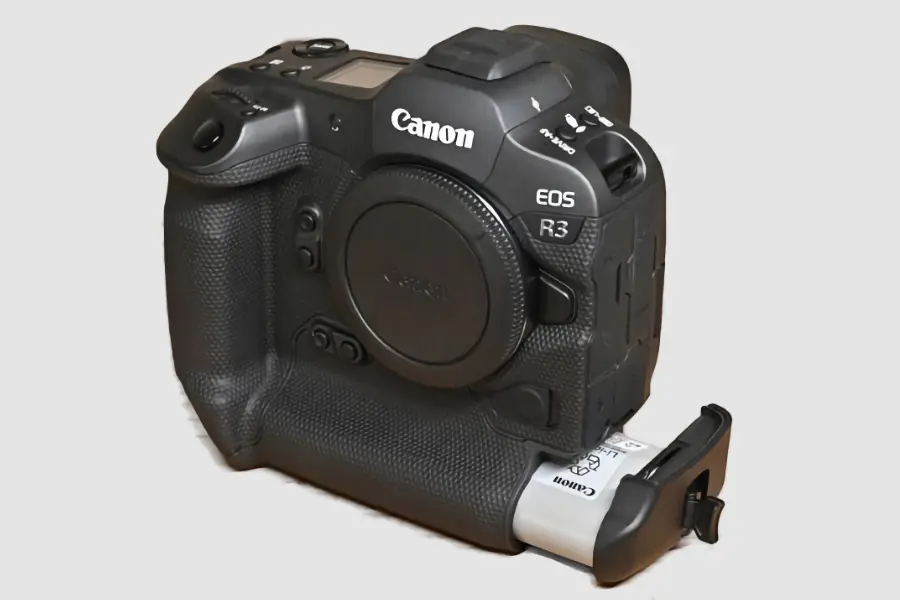
The R3’s body, including the integrated vertical grip, provides perfect balance and comfortable grip. This reduces fatigue during extended shooting sessions.
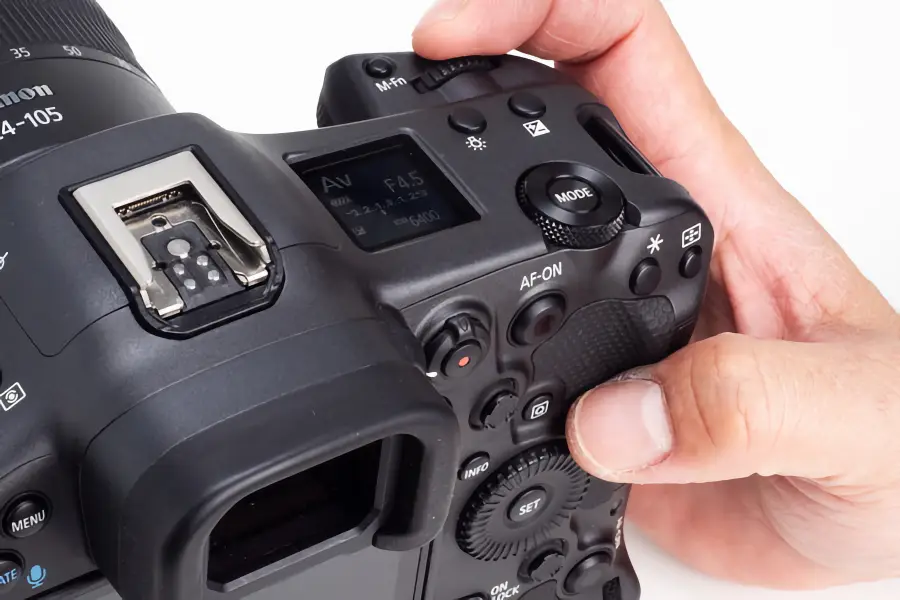
Customizable Button Layout
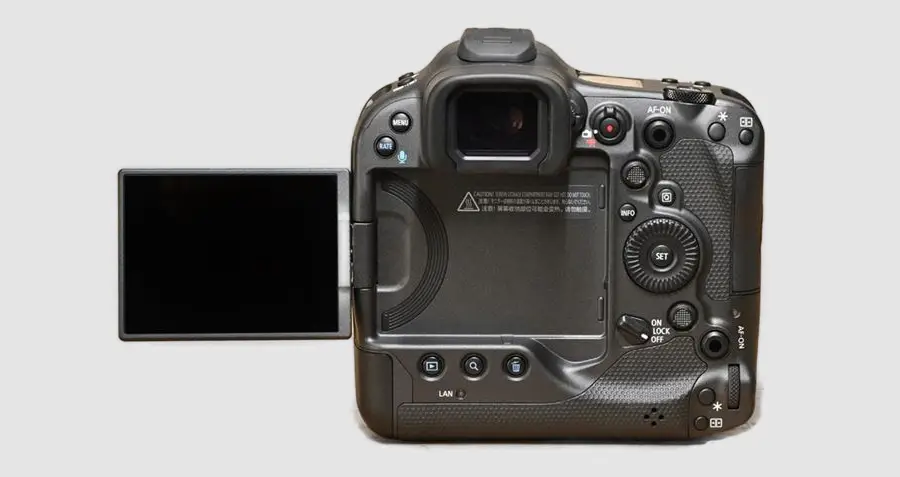
Multiple custom buttons and dials allow users to optimize the camera to their shooting style. The smart controller is particularly useful for quick AF point selection.
Intuitive Menu System
While maintaining Canon’s traditional menu structure, the R3 supports touchscreen operation for quick and easy setting changes.
📷 Real-world Shooting Experience
Through a year of diverse shooting experiences, we’ve evaluated the Canon EOS R3’s real-world performance.
Performance in Sports Photography
Thanks to its fast continuous shooting speed and accurate AF tracking, the R3 excelled in various sports photography scenarios including football, basketball, and baseball. It was particularly adept at capturing athletes’ expressions.
Low-light Utilization

During concert or indoor event shoots, the R3 maintained clean image quality even at high sensitivity settings. It demonstrated usable noise control capabilities up to ISO 8000.
Wildlife Photography Experience

The animal eye AF and fast continuous shooting allowed for capturing fleeting moments of wildlife without missing a beat. This proved especially valuable in bird photography.
🔍 Comparative Analysis with Sony A1

The Canon EOS R3 and Sony A1 are currently the top-performing professional mirrorless cameras in the market. Let’s compare their key features:
Resolution Difference
- Canon EOS R3: 24.1MP
- Sony A1: 50.1MP
While the Sony A1 offers higher resolution for more detail, the R3’s lower resolution provides advantages in faster processing speeds and smaller file sizes.
Continuous Shooting Speed
- Canon EOS R3: Up to 30fps (electronic shutter)
- Sony A1: Up to 30fps (electronic shutter)
Both cameras offer the same maximum continuous shooting speed, but the R3 allows for longer burst shooting.
Autofocus Performance
Both cameras provide top-tier AF performance, but in real-world usage, the R3’s AF system demonstrated slightly more accurate and consistent performance.
Video Capabilities
- Canon EOS R3: 6K 60p RAW, 4K 120p
- Sony A1: 8K 30p, 4K 120p
Both cameras offer professional-grade video features, each with its own strengths. The A1 provides higher resolution 8K video, while the R3 offers higher frame rate 6K RAW recording.
Battery Life
The R3 uses a larger battery, providing longer shooting times. This is a significant advantage in situations requiring extended shooting sessions.
Usability and Ergonomics
The R3’s integrated vertical grip and larger body provide a more comfortable grip for extended shooting. In contrast, the A1 is smaller and lighter, offering better portability.
💡 Pros and Cons of the Canon EOS R3
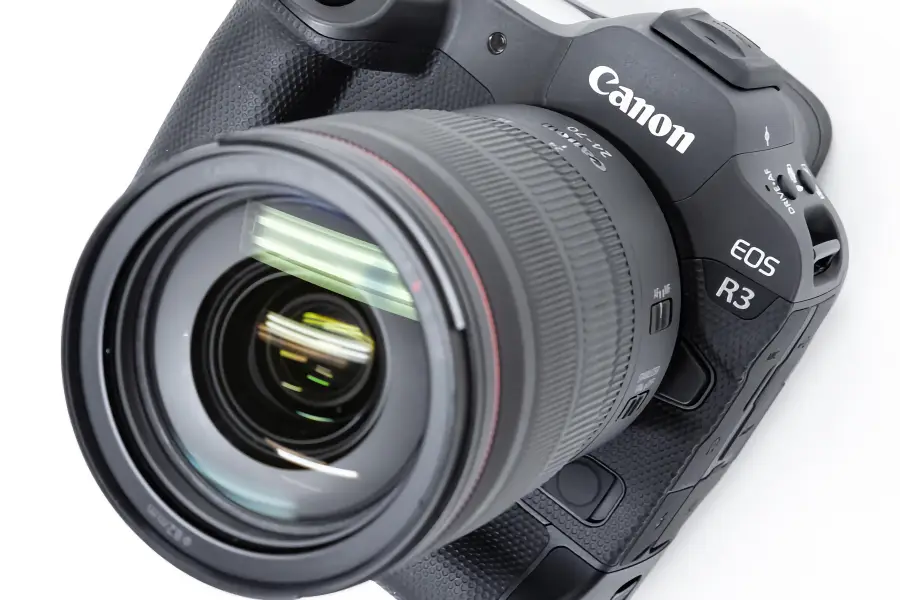
Pros
- Excellent AF performance and tracking capability
- High-speed continuous shooting with large buffer capacity
- Superior low-light performance
- Ergonomic design and intuitive operability
- Professional-grade video features
- Robust weather-sealing
Cons
- Relatively lower resolution (24.1MP)
- High price point
- Heavy weight (approx. 1,015g)
- Speed limitation of SD card slot (UHS-II)
📝 Conclusion: Is the Canon EOS R3 Worth Buying?
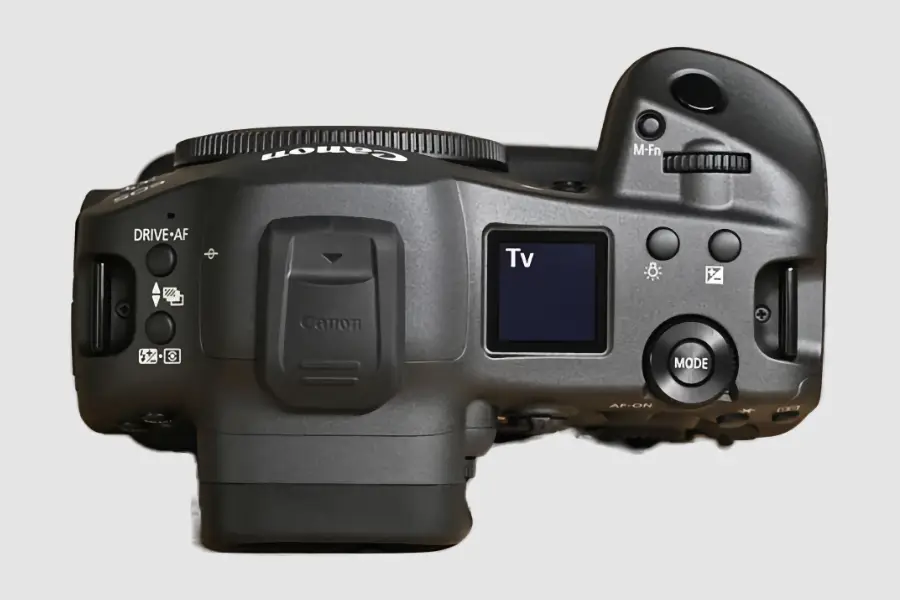
Through a year of use, the Canon EOS R3 has proven to be a camera that fully satisfies the demands of professional photographers and videographers.
Recommended For
- Professionals in fields requiring fast response times, such as sports, wildlife, and photojournalism
- Multimedia creators handling both high-quality still photography and video
- Users who prioritize ergonomic design and intuitive operability
- Existing Canon system users seeking top-tier performance
Cases for Careful Consideration
- Studio or landscape photographers who require ultra-high resolution images
- Price-sensitive users (might consider the R5 or R6 as alternatives)
- Travel photographers preferring lighter equipment
The Canon EOS R3 is a comprehensive package featuring excellent AF performance, high-speed continuous shooting capabilities, superior low-light performance, and professional-grade video features. While the 24.1MP resolution might feel limiting to some users, it provides sufficient resolution for most professional use cases.
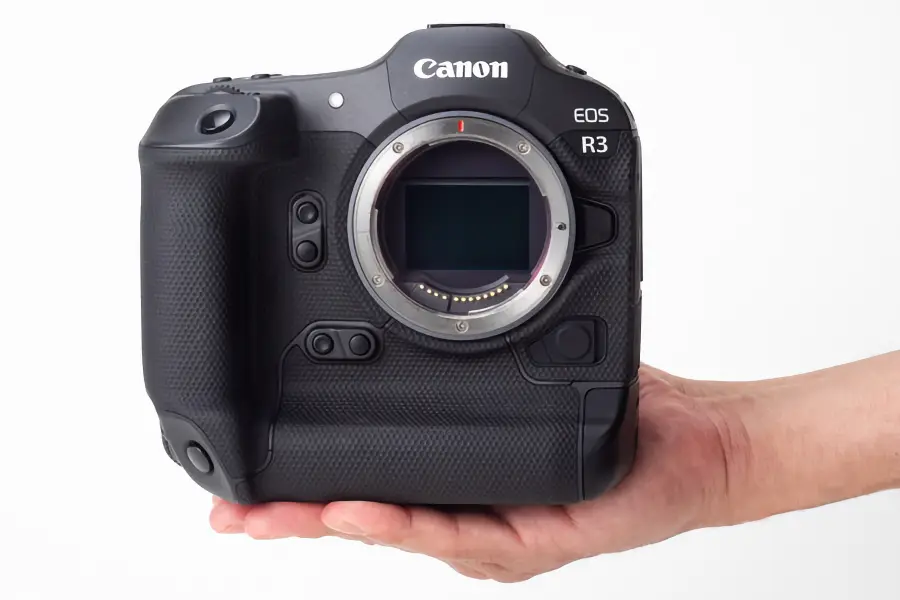
In conclusion, the Canon EOS R3 has set a new standard in the professional mirrorless camera market. It’s an excellent choice for shooting environments that demand speed and accuracy. However, it’s important to make a purchase decision considering individual shooting styles and requirements. The Canon EOS R3 stands as one of the most powerful and versatile cameras currently available, highly recommended for professional photographers and videographers.