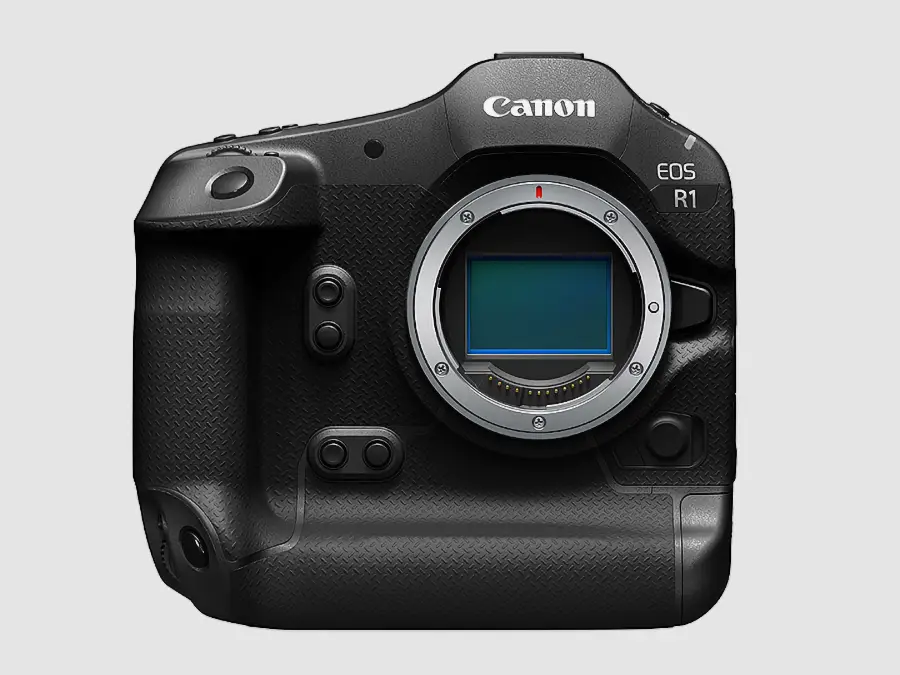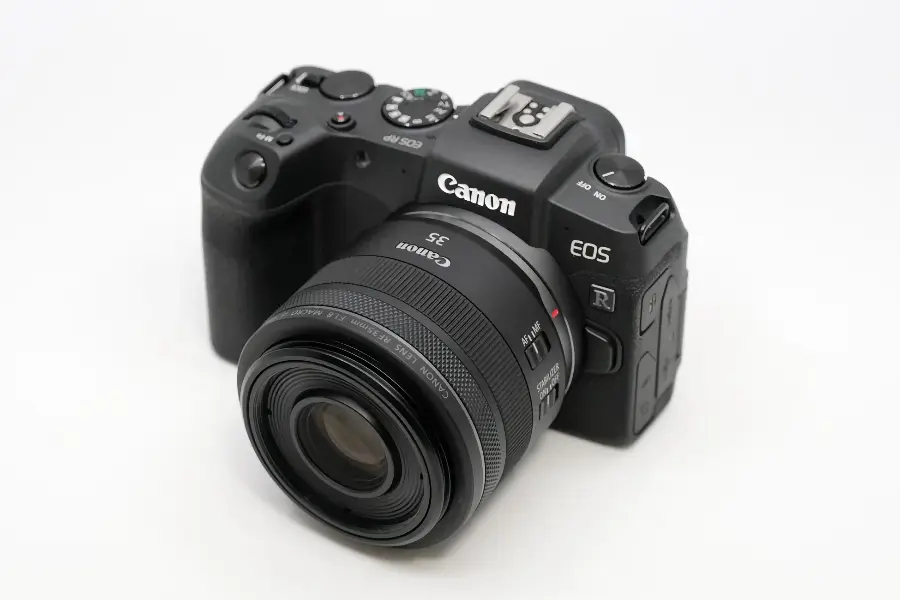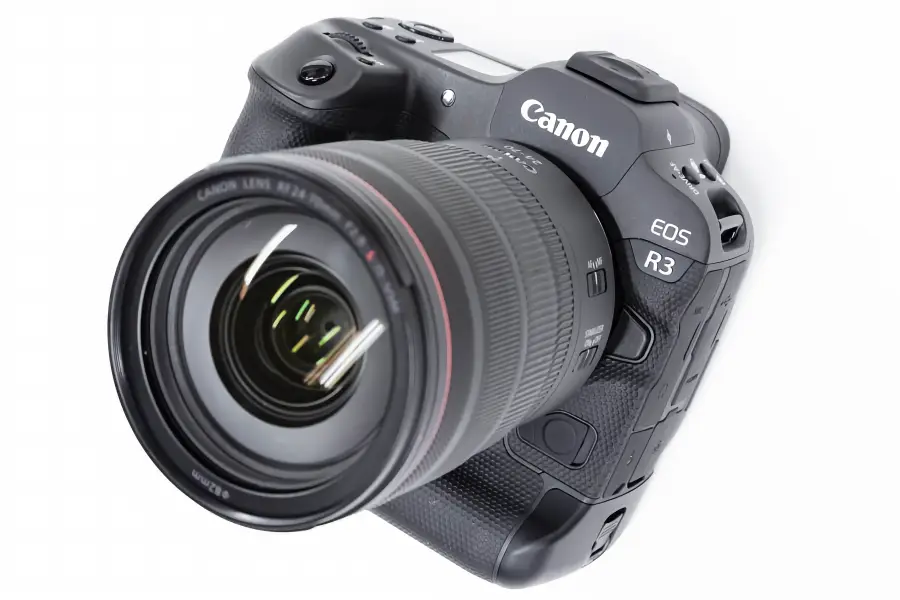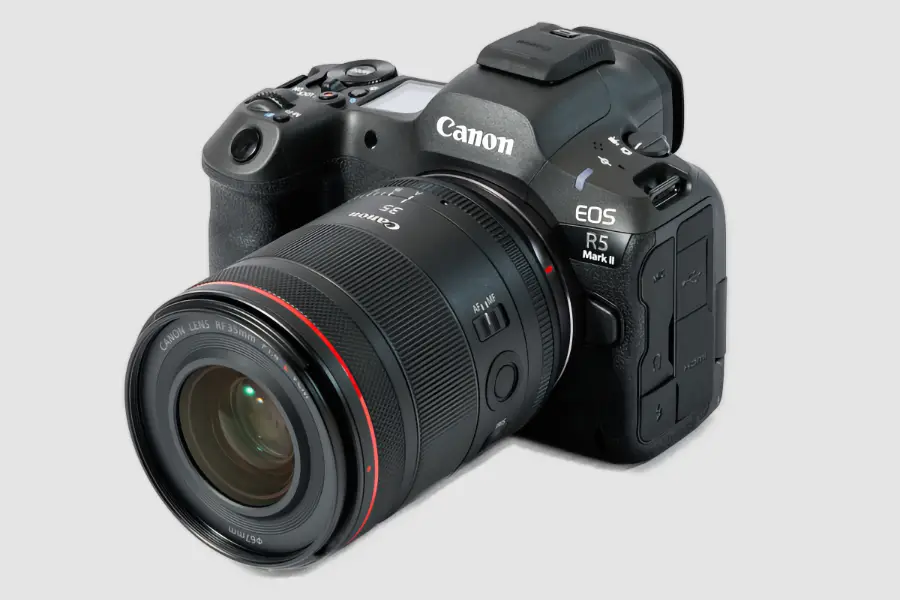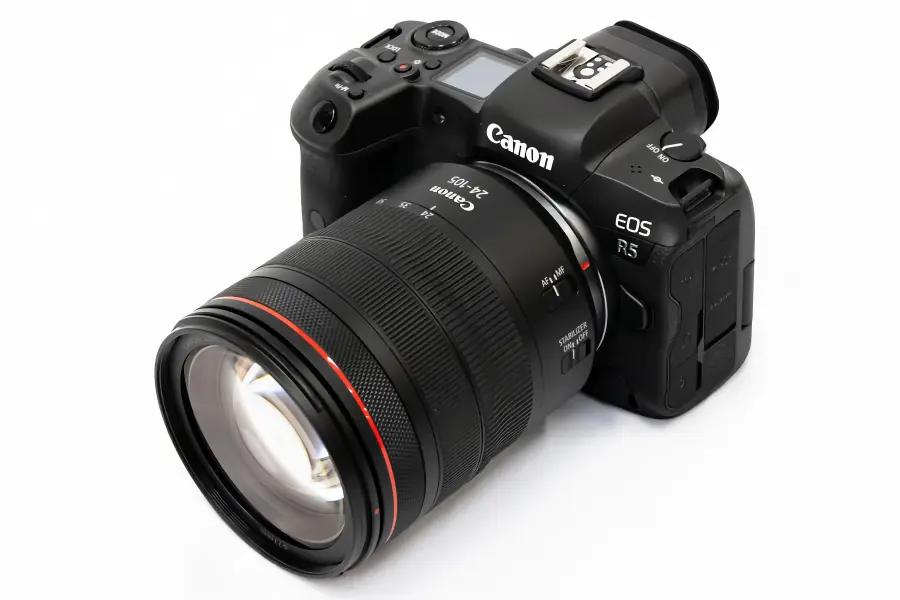

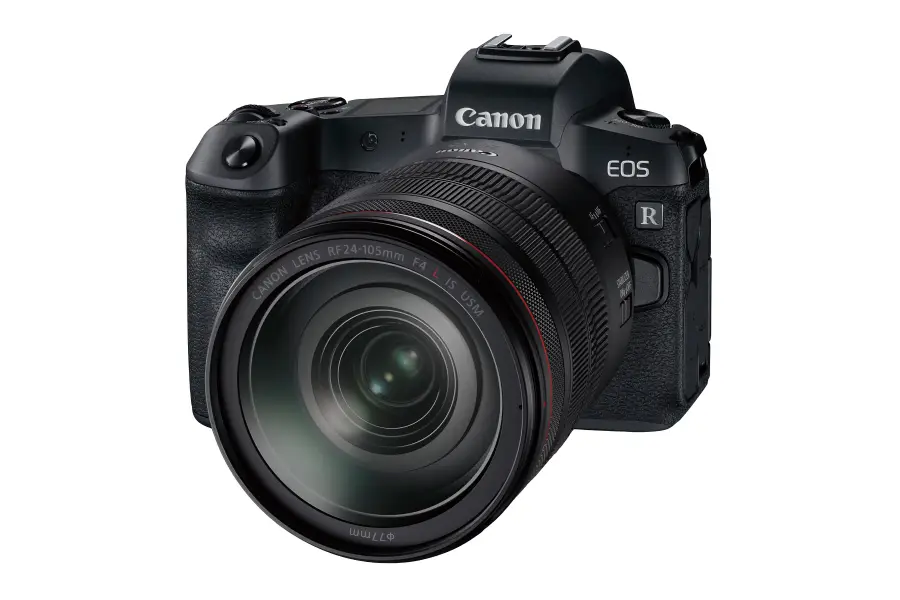
The Canon EOS R is Canon’s ambitious entry into the full-frame mirrorless camera market. With its 30.3-megapixel sensor, new RF mount, and powerful Dual Pixel AF system, this camera represents a significant step for Canon in establishing its position in the mirrorless arena. In this comprehensive review, we’ll thoroughly analyze the strengths and weaknesses of the Canon EOS R, drawing from real-world experience to evaluate its performance, features, and how it stacks up against the competition.
Canon EOS R Detailed Specifications
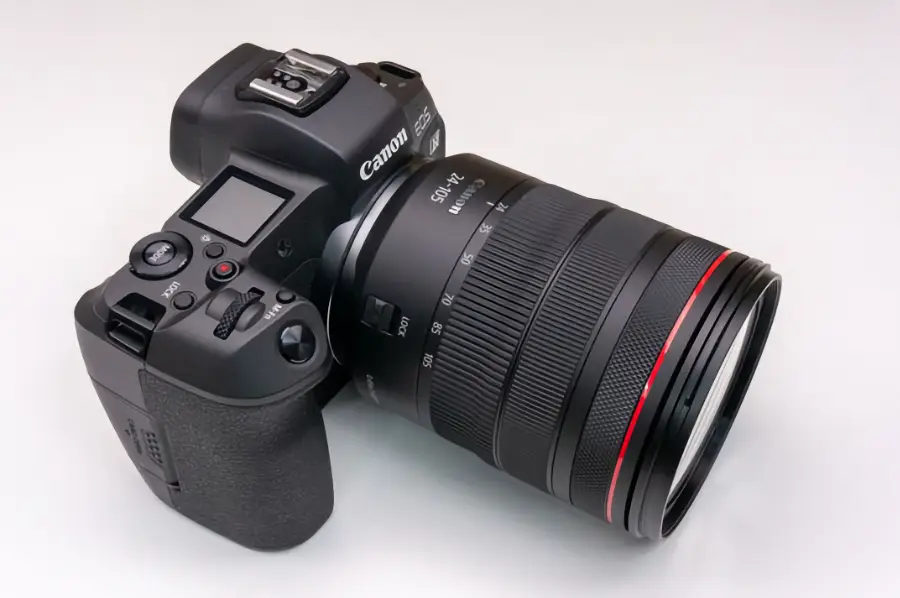
| Specification | Description |
|---|---|
| Sensor | 30.3MP full-frame CMOS |
| Processor | DIGIC 8 |
| AF System | Dual Pixel CMOS AF |
| AF Points | 5,655 selectable points |
| Continuous Shooting | Up to 8fps (One-Shot AF), 5fps (Servo AF) |
| ISO Range | 100-40,000 (expandable to 50-102,400) |
| Viewfinder | 3.69M dot OLED EVF |
| Monitor | 3.15-inch 2.1M dot vari-angle touch LCD |
| Video | 4K 30p (1.7x crop), 1080p 60p |
| Storage | 1x SD UHS-II |
| Battery | LP-E6N |
| Dimensions | 135.8 x 98.3 x 84.4mm |
| Weight | Approx. 660g (including battery and memory card) |
📸 Image Quality and Sensor Performance
The Canon EOS R’s 30.3-megapixel full-frame sensor delivers outstanding image quality.
Rich Detail and Color Reproduction

The EOS R’s sensor is reportedly the same as in the 5D Mark IV, which means proven, excellent performance. High resolution and rich color rendition provide satisfying results across various genres, including landscape, portrait, and commercial photography.
Excellent Dynamic Range

The wide dynamic range preserves details well in high-contrast scenes. This offers greater flexibility in post-processing, making it suitable for professional workflows.
Low Light Performance
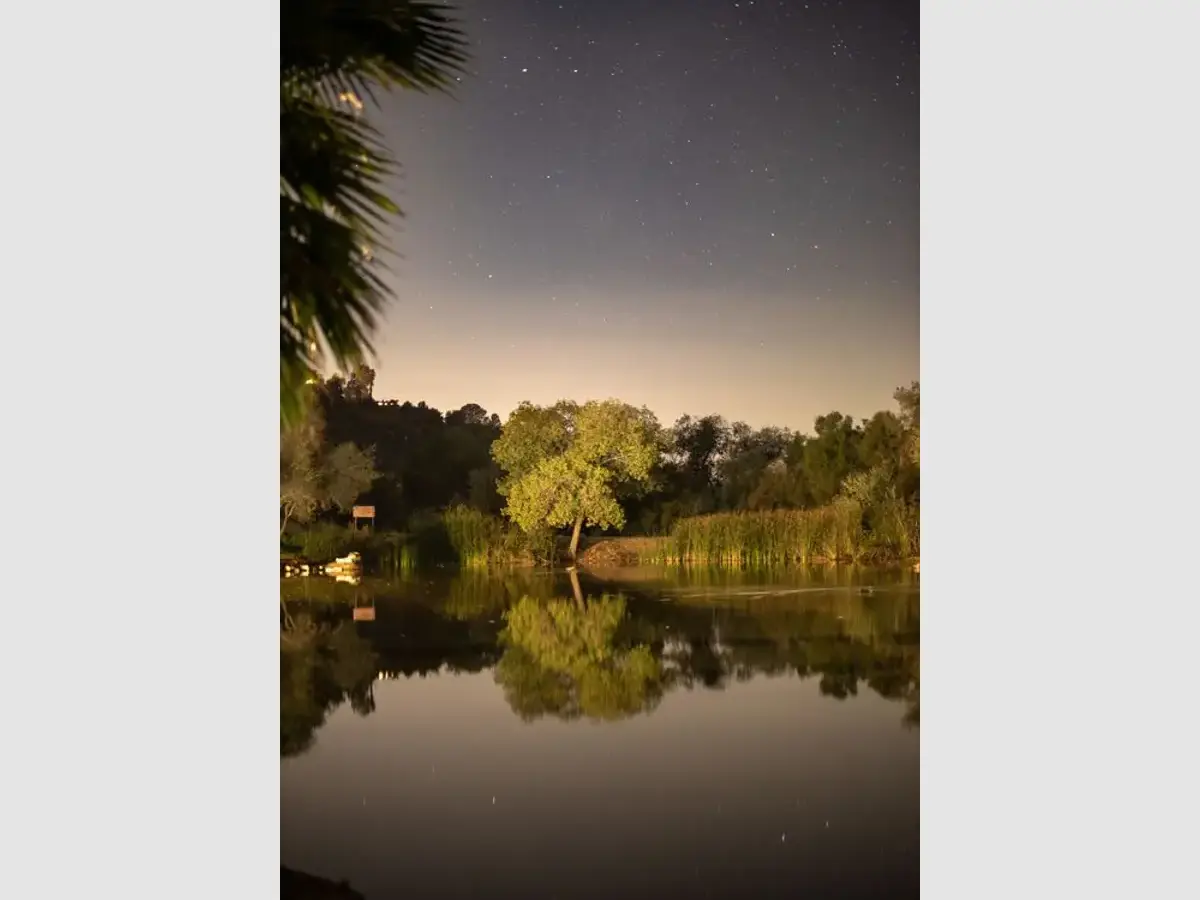
With a native ISO range of 100-40,000, the EOS R demonstrates impressive noise control at high sensitivities. In real-world use, images up to ISO 6400 maintain usable quality, making it a versatile choice for challenging lighting conditions.
🔍 Innovative Autofocus System

The Canon EOS R’s Dual Pixel CMOS AF system is one of its standout features.
5,655 Selectable AF Points
This provides extensive AF coverage across almost the entire frame. Users can compose shots more freely and benefit from improved subject tracking.
Impressive Low-light AF Performance
The ability to focus down to -6EV is remarkable. This allows for accurate focusing in extremely dark environments, such as candlelit interiors.
Eye AF and Face Detection
Eye AF and face detection are valuable for portrait photography. While initially limited in continuous AF, firmware updates have improved these features.
🎥 Video Performance and Limitations

The Canon EOS R offers 4K video capabilities but comes with some limitations.
4K 30p Recording and Crop Factor
4K 30p recording is available, but with a 1.7x crop. This can be limiting for wide-angle shooting and is a point of frustration for many users.
Built-in C-Log
The inclusion of C-Log profile allows for professional color grading, making it useful for filmmakers and documentarians.
1080p 60fps Recording
Full HD recording at 60fps enables smooth slow-motion footage. However, the lack of higher frame rate options like 120fps is a drawback.
🔋 Battery Life and Power Management

The Canon EOS R uses the LP-E6N battery and offers decent battery life for a mirrorless camera.
CIPA-rated Shot Count
According to CIPA standards, the EOS R can capture approximately 370 shots per charge. Real-world usage often yields more shots, and power management settings can further extend battery life.
USB Charging Support
USB charging capability allows for convenient charging in the field using external battery packs or laptops, which is beneficial for extended shooting sessions.
Power-saving Modes
Various power-saving options help optimize battery life. Users can adjust EVF and LCD brightness and set auto power-off times to suit their needs.
💾 Storage Options and Connectivity
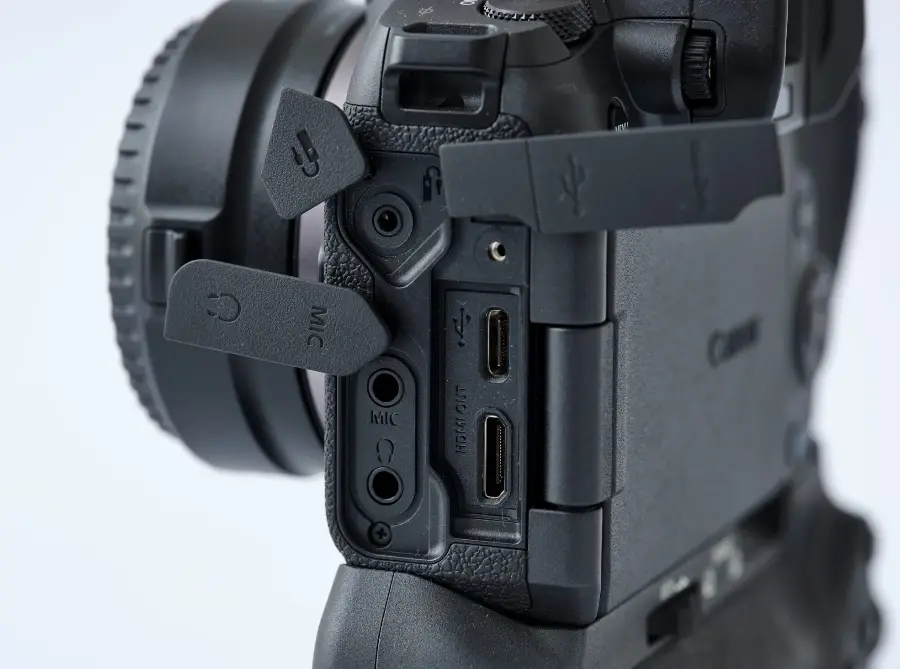
The Canon EOS R features a single SD card slot and offers various connectivity options.
UHS-II SD Card Support
Support for UHS-II SD cards ensures fast write speeds, which is crucial for continuous shooting and 4K video recording.
Limitations of Single Card Slot
The single card slot may be a drawback for professional use, limiting backup options during critical shoots.
Wi-Fi and Bluetooth Connectivity
Built-in Wi-Fi and Bluetooth allow easy connection to smartphones or tablets for remote shooting and image transfer.
🖥️ User Interface and Operability
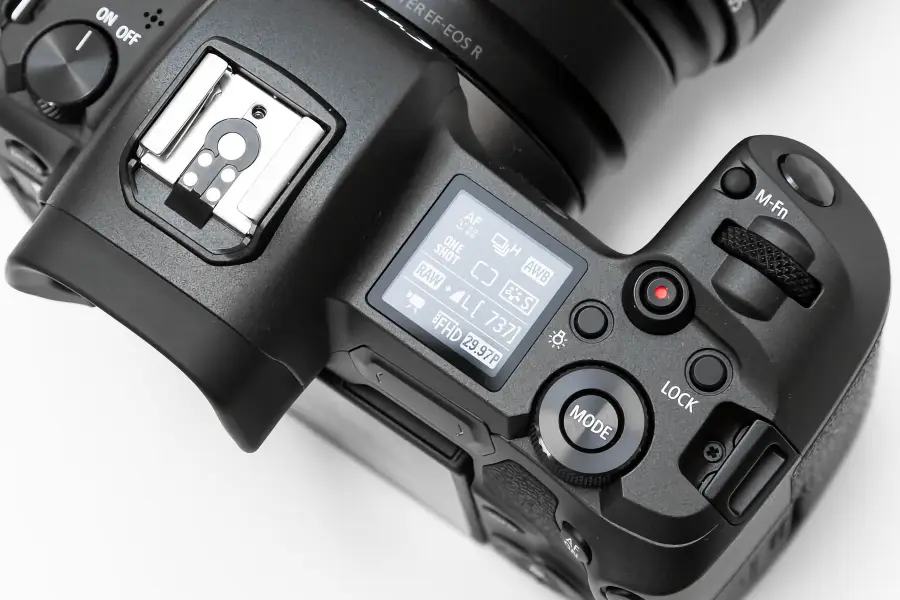
The Canon EOS R introduces new interface elements to enhance user experience.
Touch and Drag AF
Users can move the AF point by touching and dragging on the LCD screen, even while using the viewfinder. This enables quick and intuitive focus point selection.
Multi-function Touch Bar

The new multi-function touch bar on the camera’s rear allows quick adjustments to settings like ISO and white balance. However, some users question its practicality.
Customizable Buttons
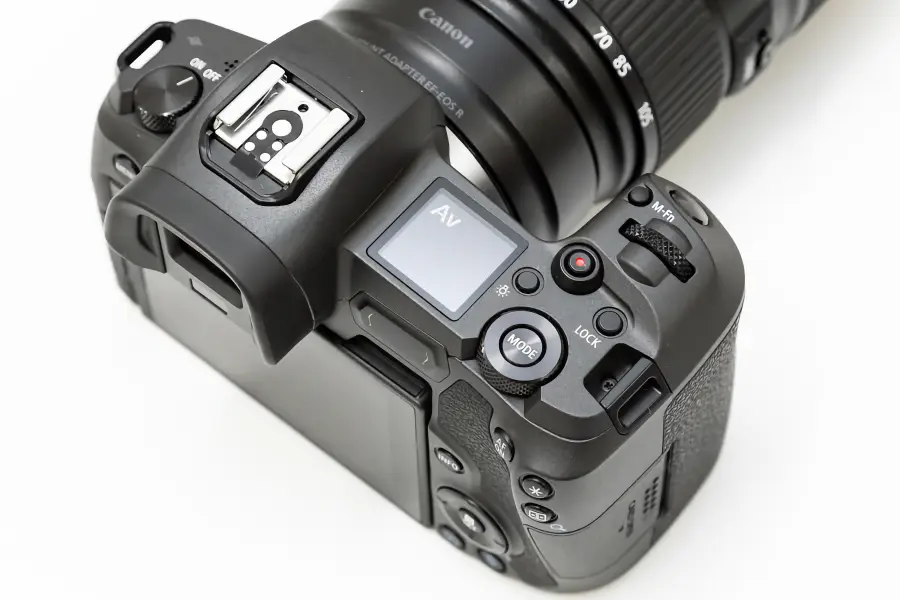
Multiple buttons and dials can be customized to user preferences, allowing for personalized operation. This is particularly useful for professionals who need quick access to specific settings.
📷 RF Lens System and Compatibility
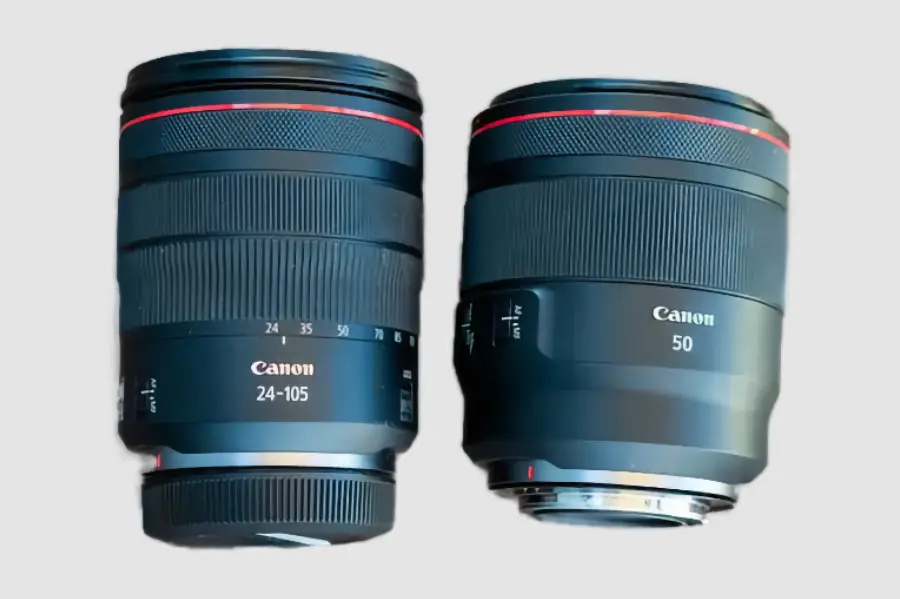
The Canon EOS R’s new RF mount offers excellent optical performance while maintaining compatibility with existing EF lenses.
Revolutionary RF Lens Lineup
Innovative lenses like the RF 50mm F1.2L USM and RF 28-70mm F2L USM maximize the EOS R’s potential. These lenses offer optical performance that surpasses their EF counterparts.
EF Lens Adapter
The EF-EOS R mount adapter allows seamless use of existing EF lenses without performance loss. This facilitates a smooth transition for existing Canon users.
Control Ring Mount Adapter
A mount adapter with a control ring adds RF lens functionality to EF lenses, enhancing the versatility of existing glass.
🎨 Color Science and JPEG Engine
The Canon EOS R showcases Canon’s renowned color science capabilities.
Natural Skin Tones

The camera excels in rendering natural and appealing skin tones, particularly beneficial for wedding and portrait photography.
Rich Landscape Colors

Landscape photos benefit from Canon’s color processing, with particularly attractive rendition of blue skies and green foliage.
Powerful JPEG Engine
The in-camera JPEG processing is strong, often producing satisfying results without the need for extensive post-processing. This is advantageous in situations requiring quick turnaround.
🔍 Viewfinder and LCD Screen
The Canon EOS R offers a high-resolution EVF and a versatile LCD screen.
3.69 Million Dot OLED EVF
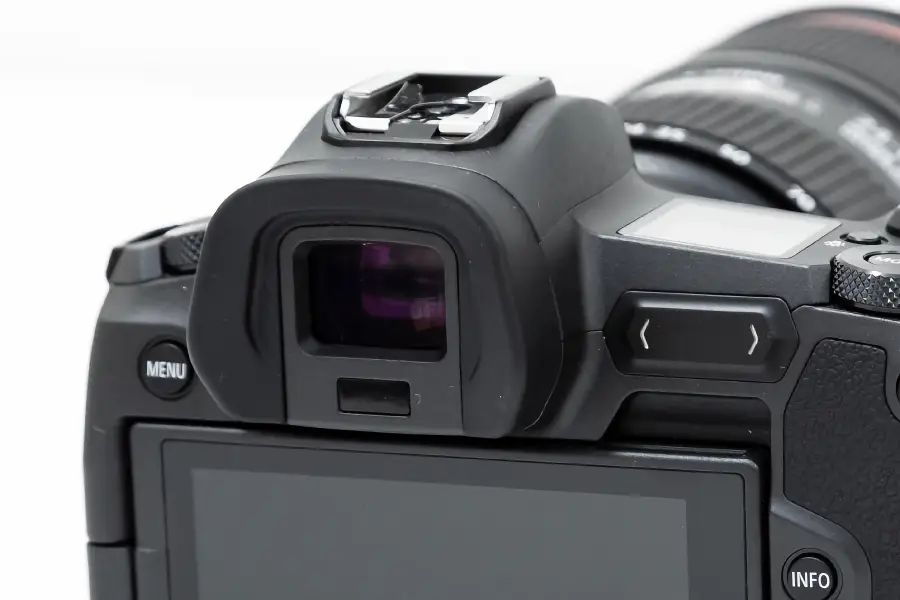
The high-resolution OLED EVF provides a clear and natural image. With a 0.5-inch size and 0.76x magnification, it offers a comfortable shooting experience.
Tilt-Swivel Touch LCD
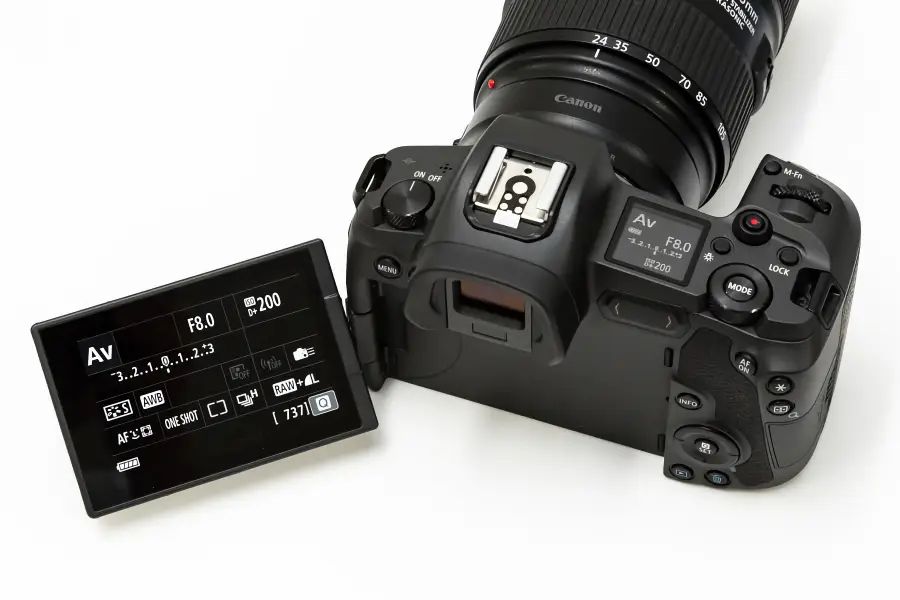
The 3.15-inch 2.1 million dot LCD allows shooting from various angles. Touch functionality enables intuitive operation.
💡 Pros and Cons of the Canon EOS R
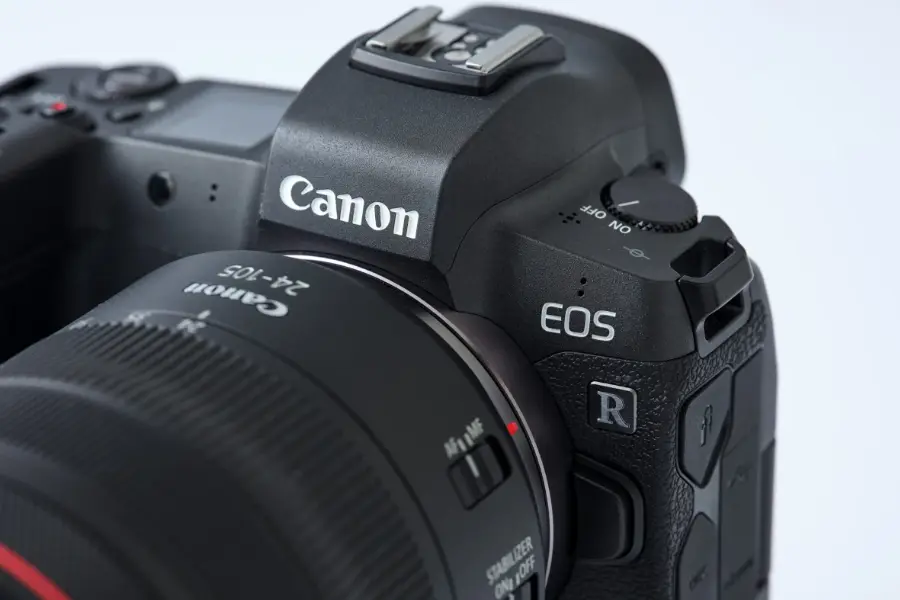
Pros
- Excellent image quality and color rendering
- Powerful Dual Pixel AF system
- Innovative RF lens system
- Excellent compatibility with EF lenses
- High-resolution EVF and versatile LCD screen
- Robust body construction and ergonomic design
Cons
- 1.7x crop for 4K video
- Single SD card slot
- Limited continuous shooting speed (5fps with Servo AF)
- Lack of in-body image stabilization (IBIS)
- Multi-function touch bar may be unintuitive for some users
📊 Comparison with Competitors
To better understand the Canon EOS R’s position in the market, let’s compare it with key competitors.
Sony A7 III

- Pros: Faster continuous shooting, dual card slots, IBIS
- Cons: Lacks the innovation of the RF lens system
Nikon Z6

- Pros: IBIS, wider ISO range
- Cons: AF performance slightly behind the EOS R
Panasonic S1

- Pros: Superior 4K video features, high-resolution EVF
- Cons: Larger and heavier body, AF performance lags behind the EOS R
📝 Conclusion: Is the Canon EOS R Worth Buying?
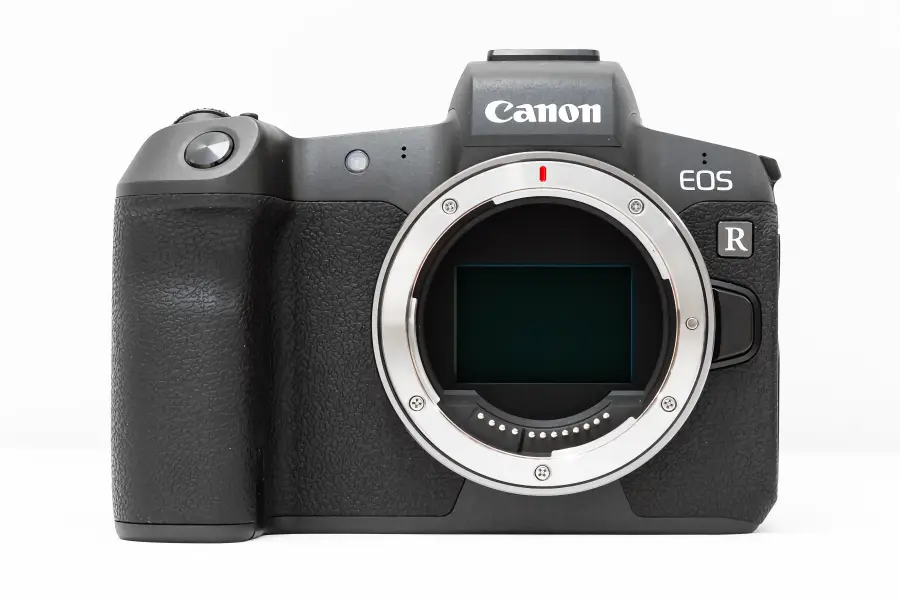
The Canon EOS R, as Canon’s first full-frame mirrorless camera, offers numerous strengths along with a few limitations.
Recommended for
- Photographers prioritizing image quality and color science
- Existing Canon users with a collection of EF lenses
- Those interested in the innovative RF lens system
- Photographers focusing on static subjects or slow-moving scenes
Consider carefully if
- You primarily shoot sports or wildlife requiring fast continuous shooting
- Full-frame 4K video is essential for your work
- Dual card slots are a must for your professional workflow
- In-body image stabilization (IBIS) is a critical feature for you
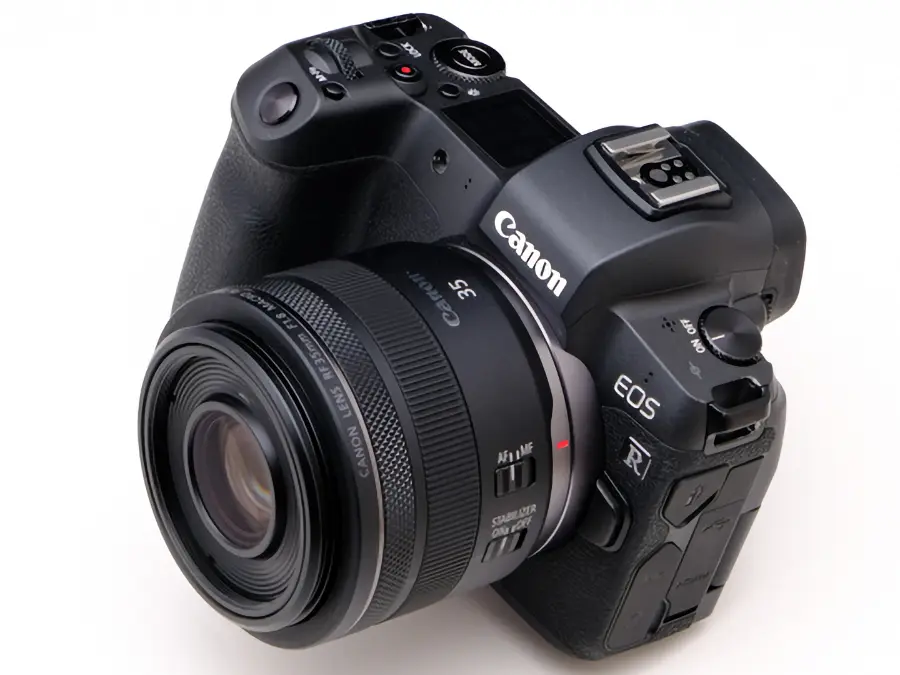
The Canon EOS R boasts excellent image quality, powerful AF performance, and the potential of the innovative RF lens system. However, the 4K video crop, single card slot, and limited continuous shooting speed may be drawbacks for some users.
In conclusion, the Canon EOS R marks an important transition for Canon into the mirrorless system. It offers existing Canon users a natural path to mirrorless and the opportunity to experience the potential of the RF lens system. While some limitations may disappoint professional users, these could potentially be addressed in future firmware updates or subsequent models.
It’s crucial to consider your shooting style and requirements when deciding on a purchase. While the Canon EOS R has many strengths, it may not be the perfect choice for every user. Nonetheless, it’s undoubtedly a significant product that offers a glimpse into the future of Canon’s mirrorless system.