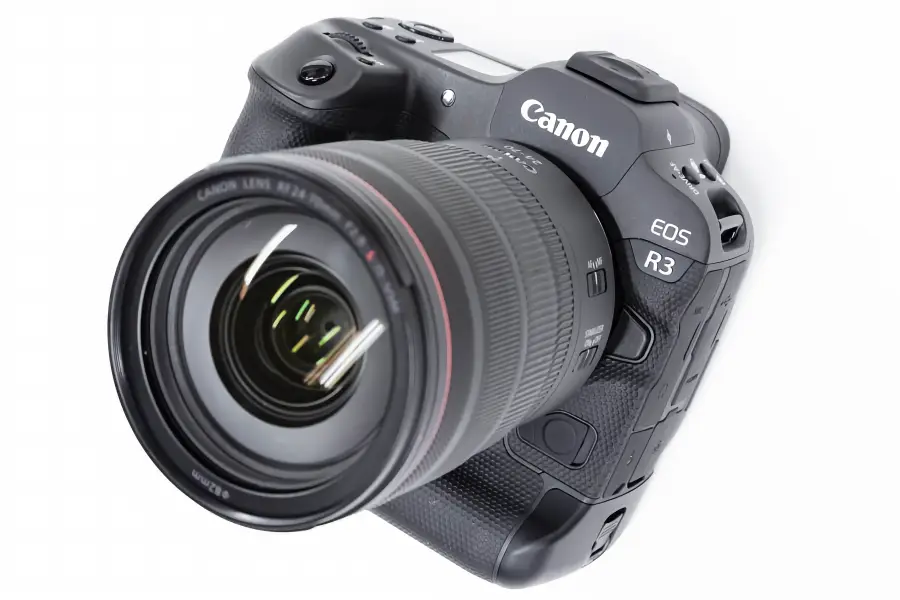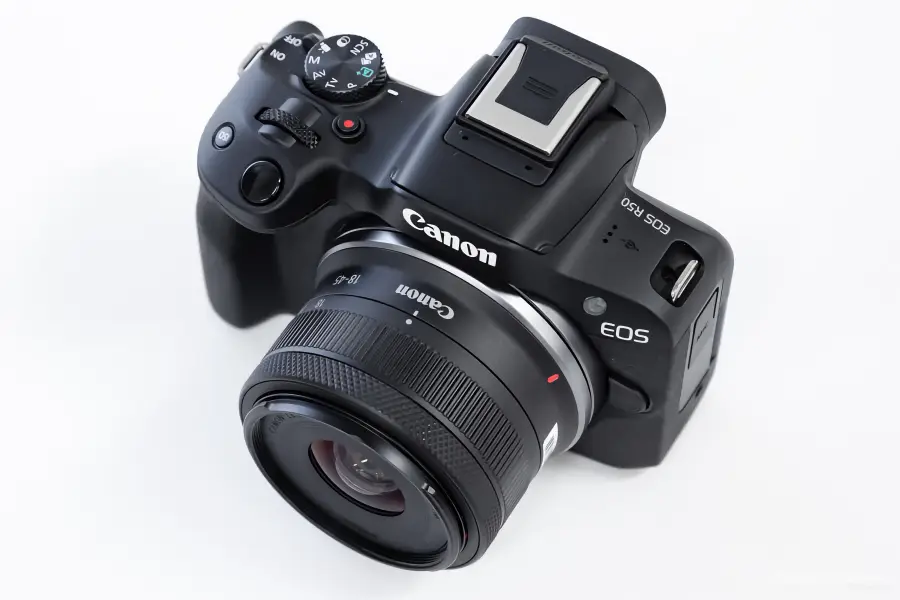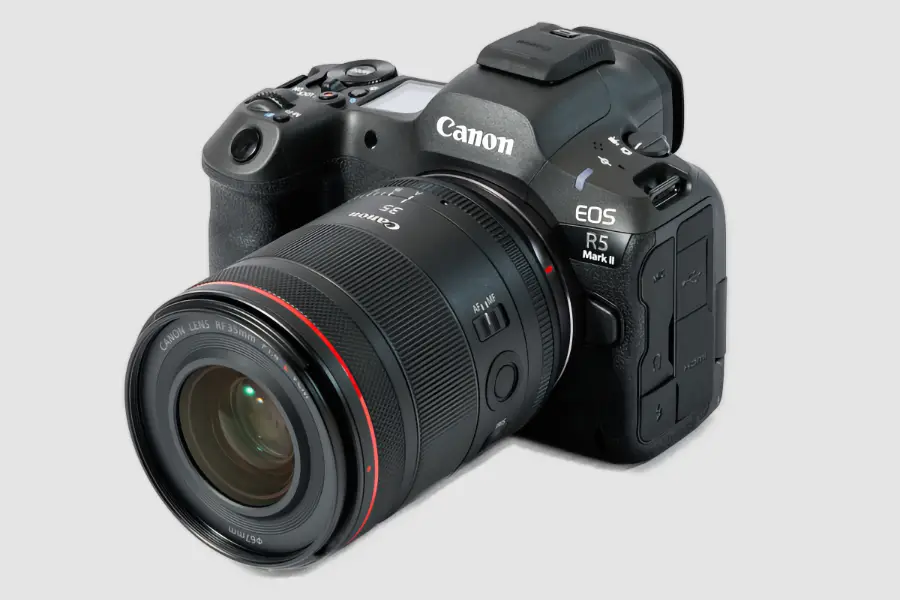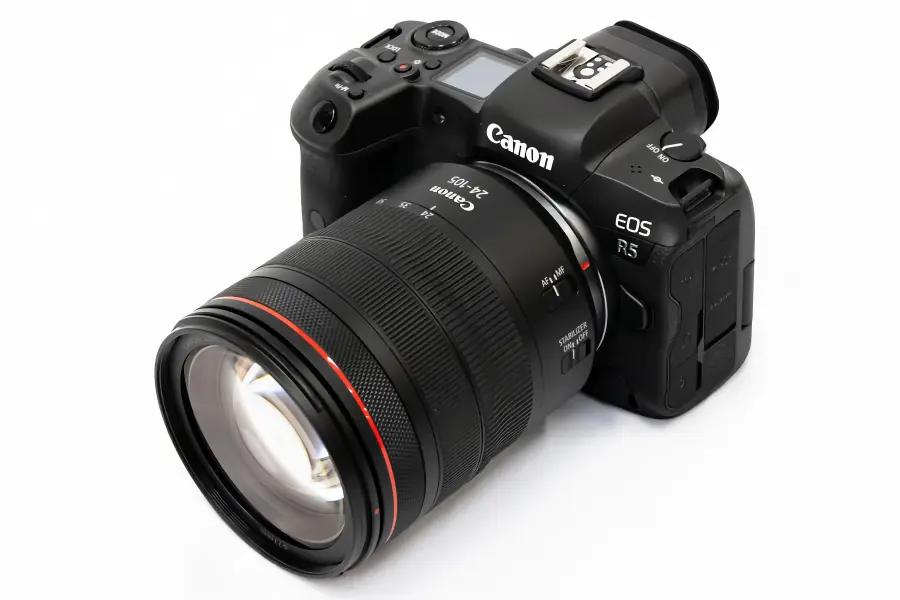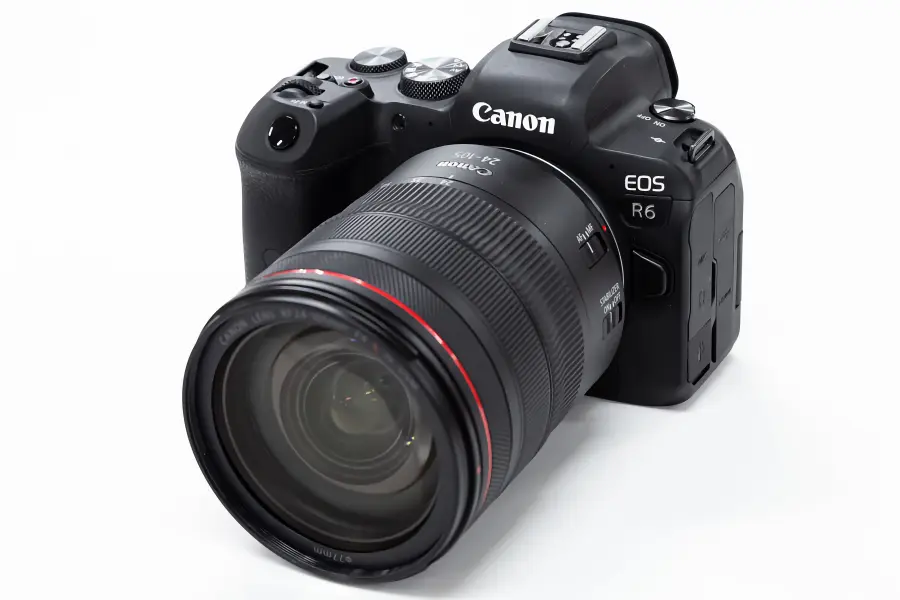

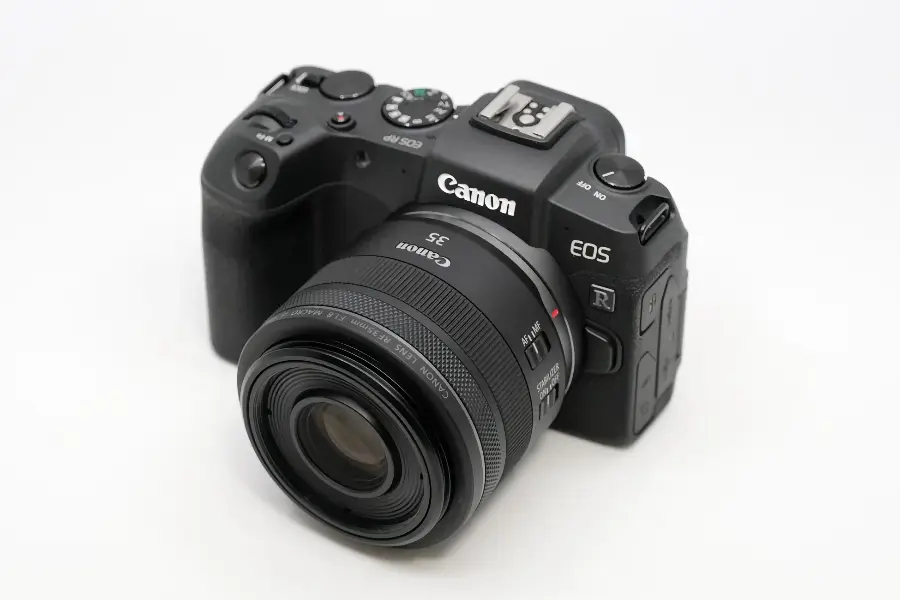
Hello, today we’re taking an in-depth look at Canon’s budget-friendly full-frame mirrorless camera, the EOS RP. Released in 2019, this camera continues to attract attention. We’ll examine whether it’s still worth purchasing in 2024 and explore its pros and cons in detail.
Let’s start by summarizing the key specifications of the Canon EOS RP:
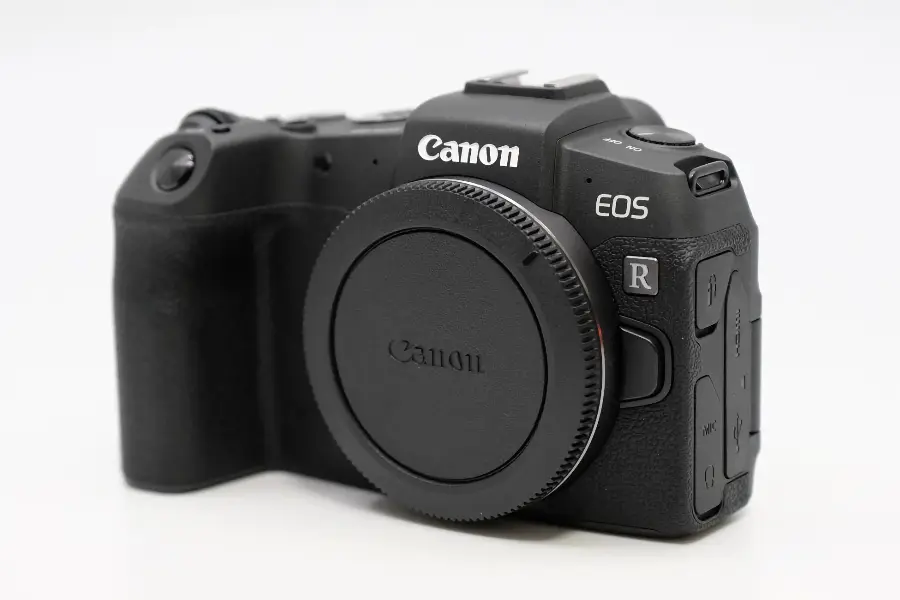
Key Specifications
| Feature | Specification |
|---|---|
| Sensor | 26.2MP Full-frame CMOS |
| Image Processor | DIGIC 8 |
| ISO Range | 100-40000 (expandable to 50-102400) |
| Continuous Shooting | Up to 5fps |
| Autofocus | Dual Pixel CMOS AF (4,779 points) |
| Video | 4K/24p, 1080/60p |
| Display | 3-inch 1.04M dot vari-angle touchscreen |
| Viewfinder | 2.36M dot OLED EVF |
| Weight | Approx. 485g (including battery and memory card) |
| Dimensions | 132.5 x 85.0 x 70.0 mm |
| Battery Life | Approx. 250 shots (CIPA standard) |
Now, let’s delve into the key features and performance of the Canon EOS RP.
🏞️ Image Quality: The Full-Frame Advantage
The Canon EOS RP boasts a 26.2MP full-frame CMOS sensor. This sensor, similar to the one in the Canon 6D Mark II, delivers impressive image quality.
High ISO Performance

Leveraging the full-frame sensor’s advantages, the EOS RP shows good performance at high ISO settings. It produces usable images even at ISO 3200-6400, demonstrating strength in low-light shooting conditions.
RAW File Flexibility

RAW files from the EOS RP contain rich detail and color information, offering high flexibility in post-processing. However, the dynamic range is somewhat limited compared to some competing models.
JPEG Output Quality

The JPEG output, benefiting from Canon’s color processing expertise, receives high praise from many users. It particularly excels in natural skin tone reproduction for portrait photography.
📸 Autofocus System: Fast and Accurate Focusing

The Canon EOS RP employs a Dual Pixel CMOS AF system, providing fast and accurate autofocus performance.
Wide AF Coverage
With 4,779 selectable AF points, it covers approximately 88% x 100% of the frame. This ensures accurate focusing even when subjects are near the frame’s edges.
Eye Detection AF
The camera supports Eye Detection AF, useful for portrait photography. This feature works for both still images and video recording, adding to its convenience.
Low-light AF Performance
The EOS RP supports AF functionality down to -5EV, allowing focusing in very dark environments. This is particularly useful for night photography or indoor shooting.
🎥 Video Recording: Limited Capabilities

The video recording capabilities of the Canon EOS RP are somewhat limited, which is often cited as one of its main drawbacks.
4K Recording Limitations
When shooting in 4K, there’s a significant crop factor (about 1.6x), narrowing the field of view. Additionally, Dual Pixel AF is not supported in 4K mode, reducing autofocus performance.
Frame Rate Restrictions
4K recording is limited to 24fps, and 1080p supports up to 60fps. This limits options for high-speed shooting or slow-motion video creation.
Rolling Shutter Effect
Severe rolling shutter effect occurs in 4K mode, potentially causing image distortion with fast-moving subjects or during panning shots.
📱 Operability and Interface: User-Friendly Design
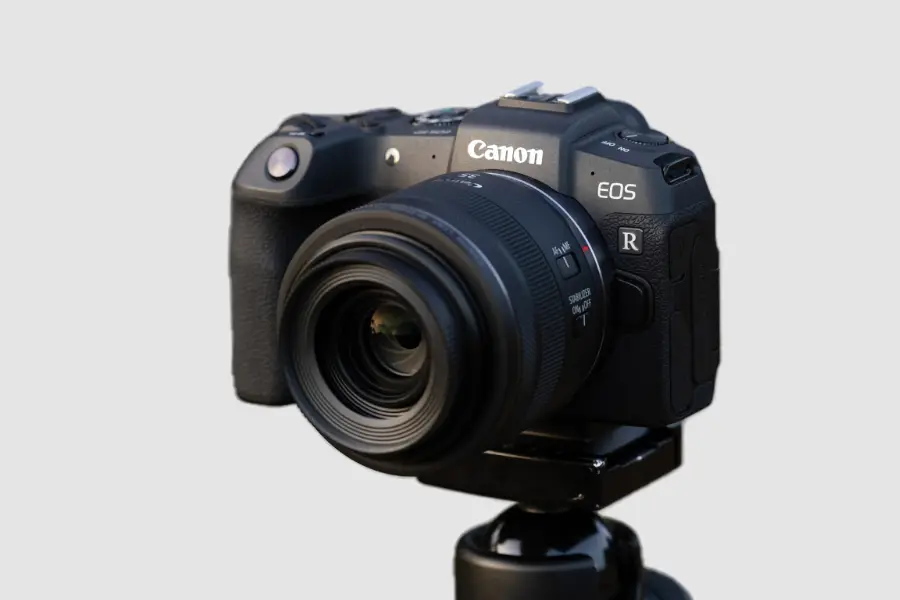
The Canon EOS RP offers an intuitive interface that even beginners can easily use.
Touchscreen Operation
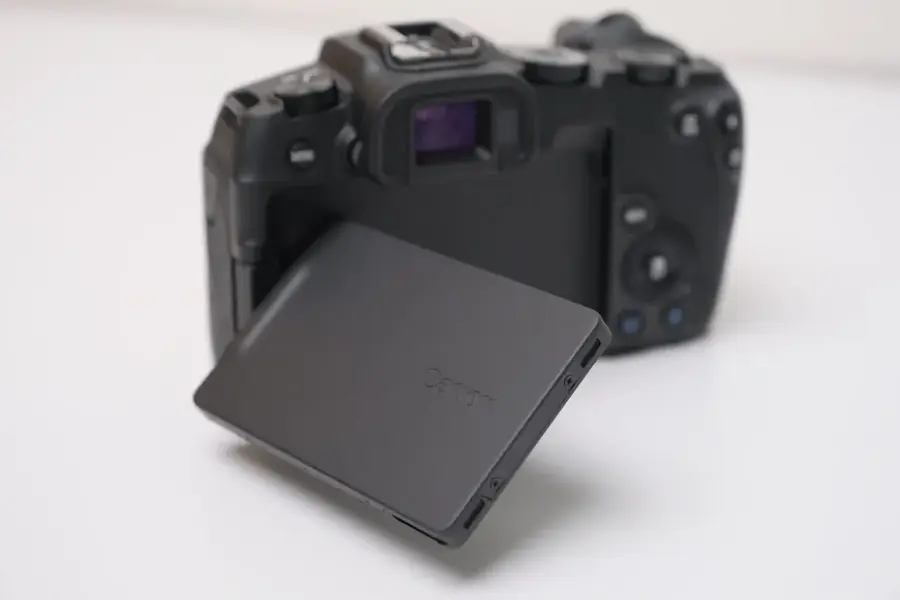
The 3-inch 1.04M dot vari-angle touchscreen allows easy control of various functions including menu navigation, AF point selection, and shutter release.
Customizable Buttons
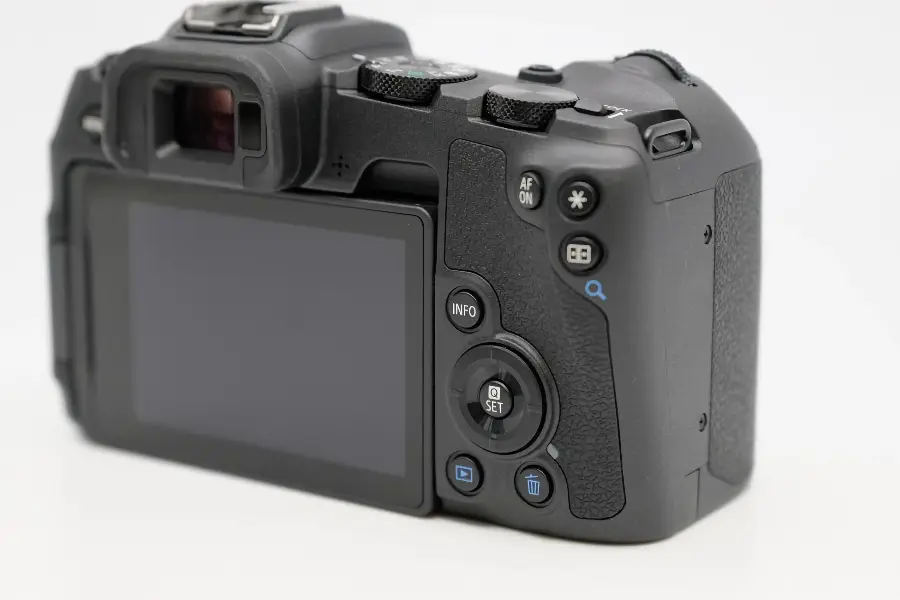
Multiple custom buttons are provided, allowing users to set up quick access to frequently used functions.
Intuitive Menu Structure
Canon’s menu system is intuitively structured, making it easy for beginners to find and change desired settings.
🔋 Battery Life and Connectivity: Areas for Improvement
Limited Battery Life
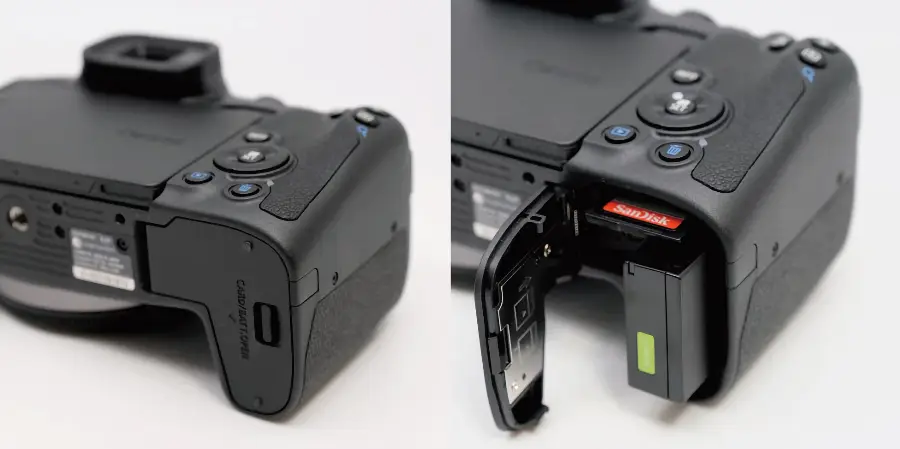
The battery life of about 250 shots (CIPA standard) is relatively short compared to competing models. Spare batteries are essential for extended shooting sessions.
USB Charging Support
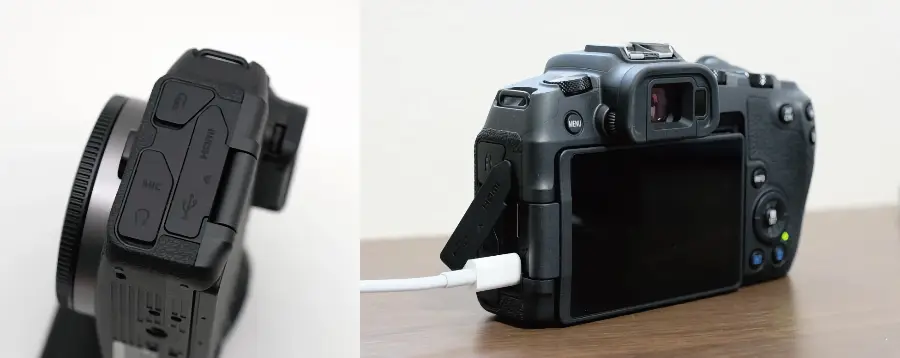
The camera supports charging via its USB-C port, allowing for charging with external batteries or chargers. This is a convenient feature for travel.
Wireless Connection Options

Wi-Fi and Bluetooth connectivity are supported, enabling remote shooting or image transfer when paired with a smartphone. Wired connections allow for faster image sharing.
💼 Portability: Compact Full-Frame
Lightweight Design
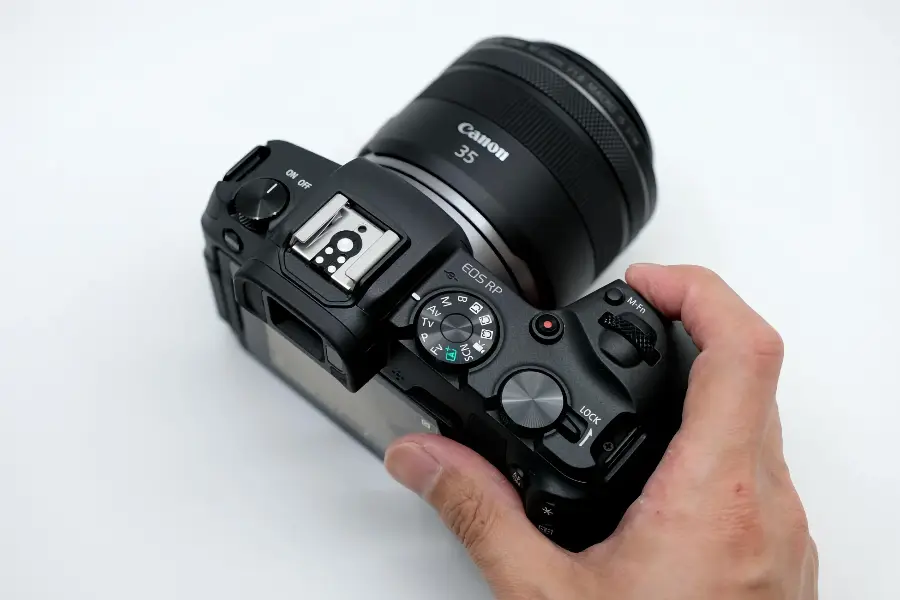
Weighing approximately 485g, it’s one of the lightest full-frame cameras available, reducing the burden of carrying it for extended periods.
Small Size
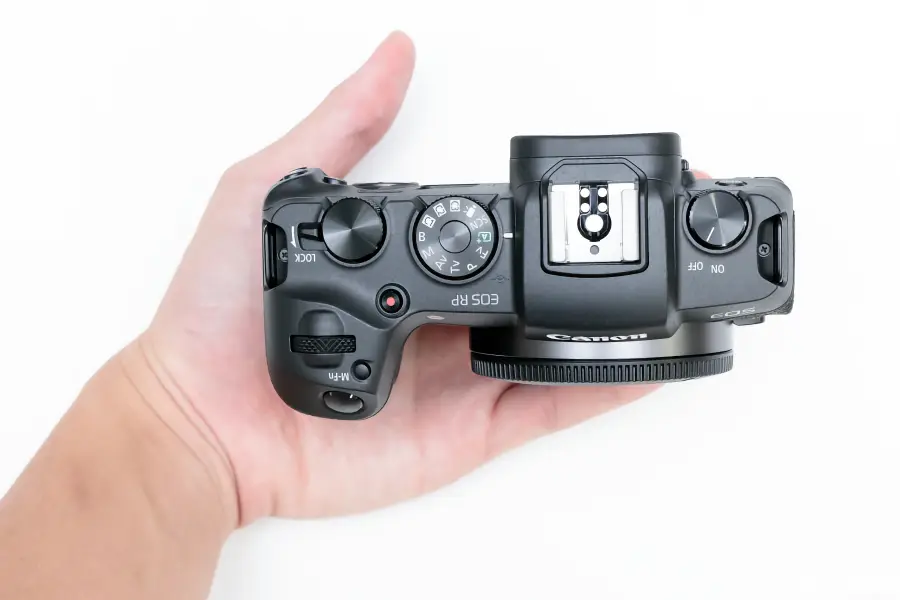
With dimensions of 132.5 x 85.0 x 70.0 mm, the EOS RP is highly portable. It’s suitable as a travel camera.
Grip Comfort
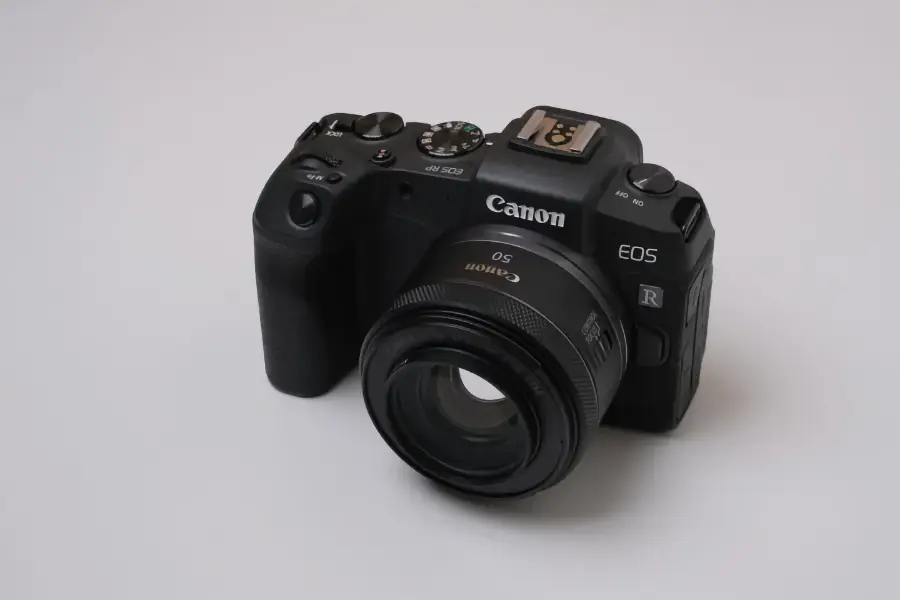
Despite its small size, the adequate grip size allows for stable handling. However, care should be taken with balance when using larger lenses.
💰 Price-Performance Ratio: Lowering the Full-Frame Entry Barrier
High-Value Full-Frame Option

The EOS RP can be an excellent choice for beginners or hobby photographers looking to experience full-frame photography for the first time. It offers full-frame advantages at a relatively affordable price.
Importance of Lens Selection
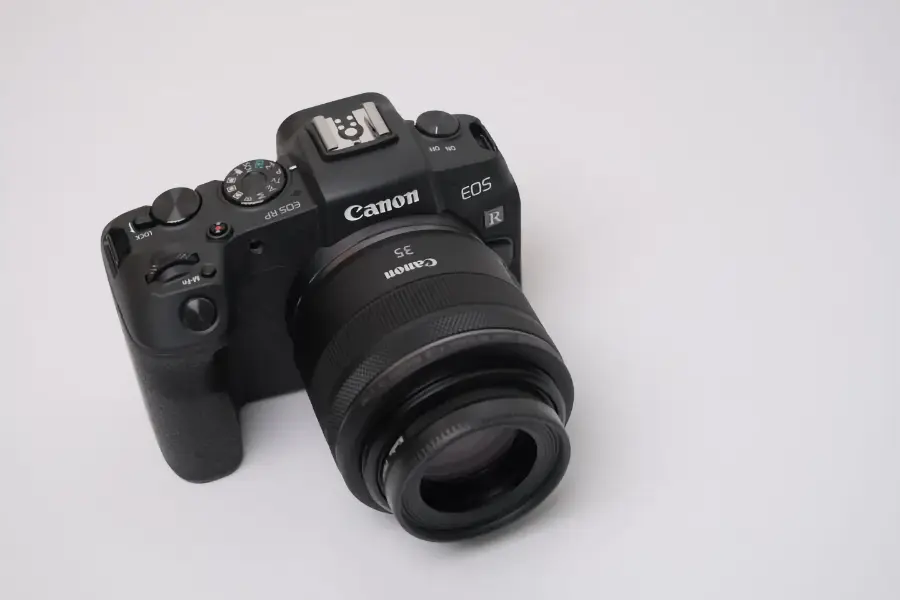
While RF mount lenses are still limited in variety and tend to be expensive, the EF-EOS R adapter allows the use of existing EF lenses, broadening lens options.
🔄 Comparison with Competing Models
To better understand the EOS RP’s strengths and weaknesses, let’s compare it with similarly priced competitors.
Sony A7 II

- Pros: Wider dynamic range, in-body image stabilization
- Cons: Older model, slower autofocus
The Sony A7 II offers a wider dynamic range and in-body image stabilization, beneficial for handheld shooting. However, being an older model, its autofocus performance is inferior to the EOS RP.
Nikon Z5

- Pros: Dual SD card slots, longer battery life
- Cons: Higher price, more severe crop in 4K shooting
The Nikon Z5 offers practical advantages with dual SD card slots and longer battery life. However, it’s more expensive and has a more severe crop in 4K shooting compared to the EOS RP.
Fujifilm X-T30 II
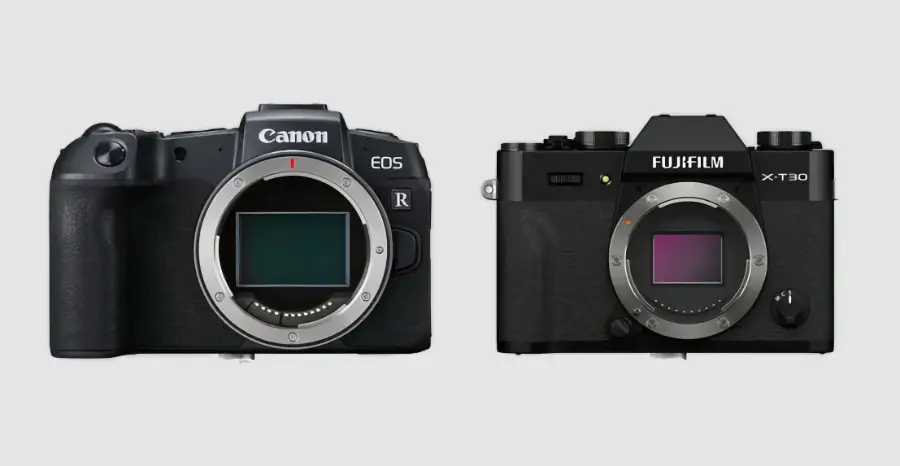
- Pros: Superior video performance, faster continuous shooting
- Cons: APS-C sensor, reduced grip due to smaller body
While the Fujifilm X-T30 II uses an APS-C sensor, it offers much better video performance and faster continuous shooting. However, it may not be suitable for users seeking full-frame sensor advantages.
📸 User Experience and Real-world Results
Here are insights from using the EOS RP in various situations:
Landscape Photography

The full-frame sensor’s advantages shine in this area. The wide angle of view and rich detail allow for impressive landscape shots. However, the limited dynamic range sometimes necessitates bracketing techniques to preserve details in highlights and shadows.
Portrait Photography

The accurate Eye Detection AF makes focusing easy. Canon’s excellent skin tone reproduction is also noteworthy. Using a 50mm f/1.8 STM lens produced beautiful bokeh effects.
Low-light Photography

Good noise control at high ISO settings allowed for satisfactory results in night photography. The AF system’s ability to function down to -5EV made focusing in dark environments relatively easy.
Video Recording
The severe crop and rolling shutter effect in 4K mode were disappointing. While decent quality video could be obtained at 1080p/60fps settings, there were limitations for professional video production.
🔧 Firmware Updates and Improvements
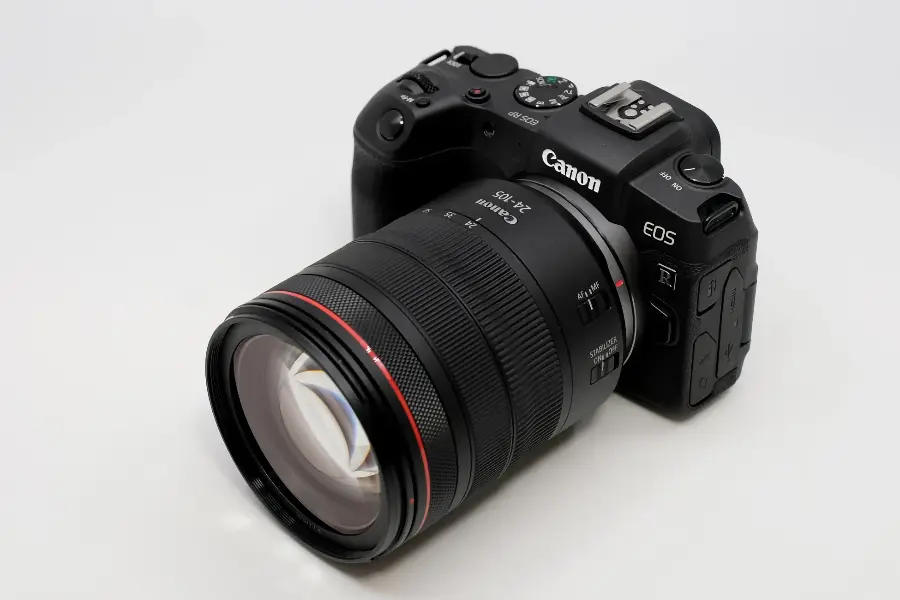
Canon has released several firmware updates for the EOS RP since its launch, improving various functions.
Eye Detection AF Improvement
Firmware updates have enhanced the accuracy and response speed of Eye Detection AF, aiding in better results for portrait photography.
Video AF Performance Enhancement
Improvements to video AF performance in 1080p mode have enabled smoother and more accurate focus transitions.
General Stability Improvements
Various bug fixes and overall system stability improvements have been implemented.
📊 Summary of Canon EOS RP Pros and Cons
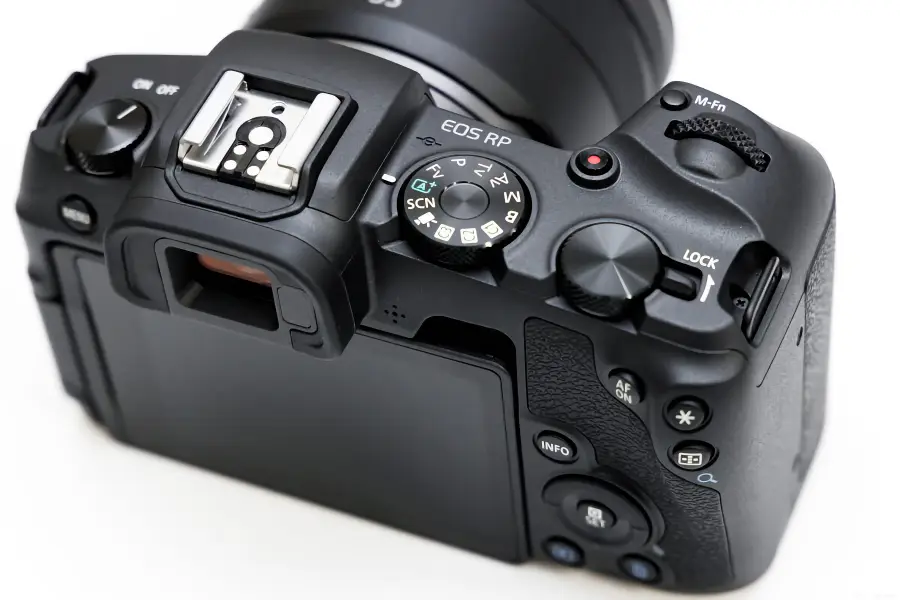
Pros
- Full-frame sensor at an affordable price
- Compact size and lightweight design
- Excellent image quality and high ISO performance
- Intuitive and easy-to-use interface
- Accurate Dual Pixel AF system
Cons
- Limited battery life
- Severe crop and rolling shutter effect in 4K video mode
- Slow continuous shooting speed (max 5fps)
- Limited dynamic range compared to competitors
- Lack of in-body image stabilization
🎯 Recommended Users and Applications
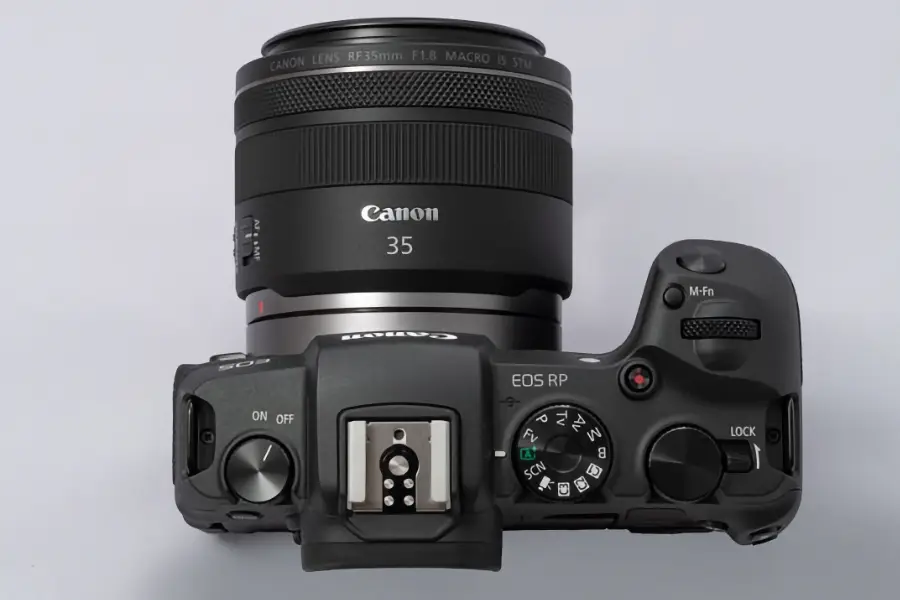
The Canon EOS RP is suitable for:
- Beginners trying full-frame cameras for the first time
- Travel photographers preferring lightweight cameras
- Users primarily focused on still photography
- Those who frequently shoot in low-light environments
- Photography enthusiasts wanting to experience full-frame advantages on a limited budget
However, it’s not recommended for:
- Users focused on professional video production
- Sports or wildlife photographers needing fast continuous shooting
- Landscape photographers requiring very wide dynamic range
- Long-session shooters needing high-performance batteries
🏁 Conclusion: Is It Worth Buying in 2024?
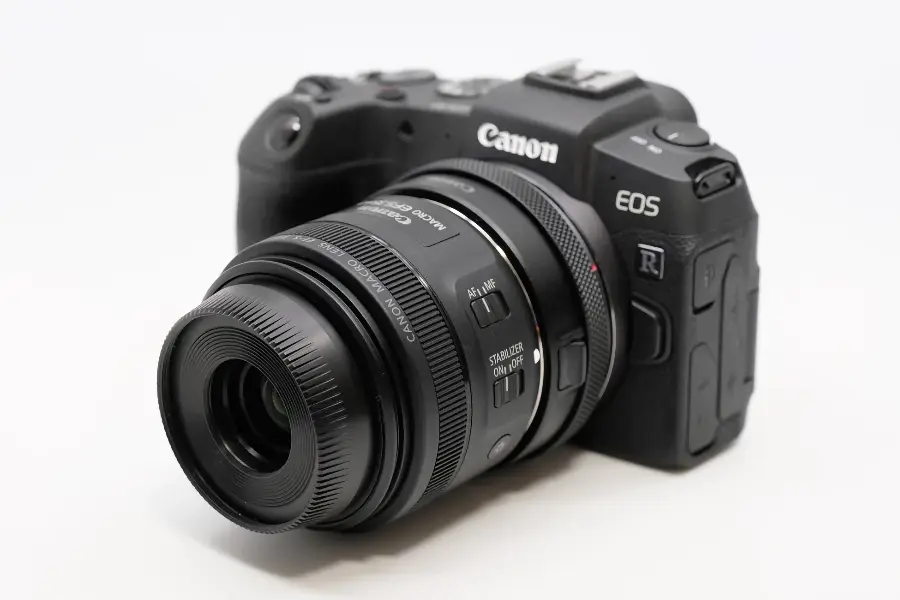
The Canon EOS RP remains a camera worth considering in 2024. It’s particularly suitable for beginners or hobby photographers looking to experience the advantages of a full-frame sensor.
Its main strengths - compact size, excellent image quality, and user-friendly interface - are still attractive. Additionally, its affordable price in the second-hand market significantly lowers the barrier to entry for full-frame photography.
However, limitations in video functionality, dynamic range, and short battery life are drawbacks that must be considered before purchase. Especially for users focused on video shooting, other options might be more suitable.
In conclusion, the Canon EOS RP remains an attractive option for still-oriented shooters, particularly those wanting to experience full-frame advantages affordably. However, it’s crucial to clearly understand your usage purposes and required features before purchasing, and if possible, try it out firsthand.
While not a perfect camera, the Canon EOS RP can be an excellent tool for the right user. We hope the EOS RP becomes a good companion on your photography journey.
Learn more about the EOS RP on Canon’s official website